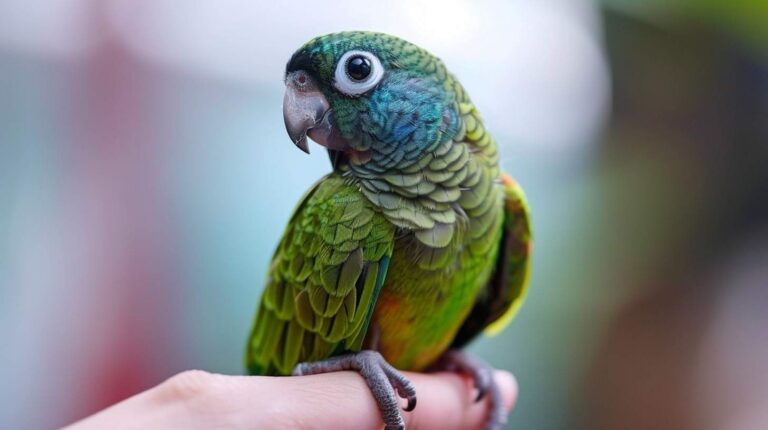
How Long Do Parrots Live? Lifespan by Species & How to Help Yours Live Longer
- Quick Answer: Parrot lifespan varies enormously by species. Small parrots like budgies live 8–15 years, medium-sized species like cockatiels and conures live 15–30 years, and large parrots like African Greys and macaws can live 40–80+ years — often outliving their owners. The single biggest factor in how long your parrot lives is the quality of care you provide.
- Expert Source: Lifespan data in this article is drawn from a peer-reviewed study published in Animal Conservation (Young et al., 2012), which analysed life history records from over 87,000 individual parrots across 260 species. Additional data sourced from PetMD, the Max Planck Institute of Animal Behavior, and the World Parrot Trust.
- Last Updated: March 2026
When you bring a parrot home, you are not making a 5-year commitment. You are not even making a 10-year commitment. Depending on the species, you could be signing up for a companion who will still be alive — and loudly demanding attention — when your children have grown up and moved out.
That is the extraordinary reality of parrot ownership. These birds are the longest-lived order of birds on the planet, and understanding their lifespan is one of the most important things any prospective owner needs to know before making the decision to bring one home.
Parrot Lifespan by Species — The Complete Table
The table below covers the most popular pet parrot species and their expected lifespan in captivity with good care. Wild lifespans are generally shorter due to predators, disease, and limited access to veterinary care.

| Species | Captive Lifespan | Size Category | Notes |
|---|---|---|---|
| Budgerigar (Budgie) | 8–15 years | Small | Common household bird |
| Parrotlet | 12–20 years | Small | Surprisingly long for their size |
| Lovebird | 10–20 years | Small | Pairs live slightly longer |
| Cockatiel | 15–25 years | Small-Medium | Popular first bird |
| Green-Cheeked Conure | 15–20 years | Small-Medium | Shorter than other conures |
| Sun Conure | 20–30 years | Medium | Loud but long-lived |
| Quaker Parrot | 20–30 years | Medium | Intelligent, social |
| Caique | 20–30 years | Medium | High energy |
| Senegal Parrot | 25–35 years | Medium | Quieter apartment bird |
| Indian Ringneck | 25–35 years | Medium | Some reach 40 years |
| Eclectus Parrot | 30–50 years | Medium-Large | Sexual dimorphism species |
| African Grey | 40–60 years | Large | Most intelligent parrot |
| Amazon Parrot | 25–75 years | Large | Wide range by subspecies |
| Cockatoo | 40–70 years | Large | Extremely bonded birds |
| Hyacinth Macaw | 50–60 years | Very Large | Largest parrot species |
| Blue & Gold Macaw | 50–80+ years | Very Large | Some reach their 90s |
| Scarlet Macaw | 40–50 years | Very Large | Longest average in wild studies |
Why Do Parrots Live So Long?
Most small animals — mice, hamsters, small birds — have short lives because they evolved under heavy predation pressure. Their bodies prioritise fast reproduction over longevity. Parrots evolved very differently.
Parrots are the longest-lived order of birds, and the reason lies in their evolutionary history. Because they faced relatively few natural predators, natural selection had time to weed out genetic mutations that cause disease and disability later in life — resulting in a species built for a long, healthy existence.
A 2022 study by the Max Planck Institute of Animal Behavior added another fascinating dimension to this story. By examining data from over 130,000 individual parrots across more than 1,000 zoos worldwide, researchers found a direct link between brain size and lifespan in parrots. Species with larger brains relative to their body size — an indicator of intelligence — consistently lived longer, suggesting that cognitive ability helps parrots navigate environmental challenges and survive longer.
In simple terms: smarter parrots live longer. And parrots are extraordinarily smart.
How Captivity Affects Lifespan
Parrots typically do not live as long in the wild as in captivity. This shortened wild lifespan is primarily due to predators, competition for food, and the absence of veterinary care. A well-cared-for pet parrot will almost always outlive its wild counterparts.
However, captivity only extends lifespan when the care is genuinely good. A poorly kept pet parrot — one fed an all-seed diet, kept in a small cage, and deprived of mental stimulation — will often die far earlier than the figures in the table above suggest.
The 6 Factors That Determine How Long Your Parrot Lives
1. Diet — The Most Critical Factor
Malnutrition and poor husbandry are the leading causes of shortened lifespan in captive parrots. Improving care, beginning with a balanced diet, is the single best thing an owner can do to increase their parrot’s longevity.
The most common dietary mistake is feeding an all-seed diet. Seeds are high in fat and low in the vitamins and minerals parrots need for long-term health. The recommended diet for most species is roughly 80% high-quality formulated pellets, supplemented with fresh vegetables, fruits, and occasional treats.
Foods to avoid entirely include avocado, onion, garlic, chocolate, caffeine, and anything with xylitol. If your parrot has eaten something you are unsure about, use our Pet Toxicity Calculator to check immediately.

Did your bird eat something dangerous? Find out right now.
Enter what they ate — get an instant toxicity assessment for birds, parrots, and all feathered pets.
Check Toxicity Now2. Cage Size and Environment
Parrots require spacious cages that allow them to spread their wings and roam freely, along with toys and perches to maintain mental stimulation. The environment in which a pet parrot lives can profoundly affect its lifespan.
A cage that is too small causes chronic stress, which suppresses the immune system and shortens life. As a general rule, the cage should be wide enough for your parrot to fully extend both wings simultaneously, with room to climb and move between perches.
3. Mental Stimulation
Parrots are cognitively on a level comparable to primates. A bored parrot does not just become unhappy — it develops destructive behaviours, feather-plucking, and chronic stress responses that directly damage physical health.
Rotate toys regularly, teach new tricks, provide foraging opportunities, and ensure daily out-of-cage time. A mentally engaged parrot is a long-lived parrot.
4. Social Interaction
Most parrot species are highly social in the wild, living in large flocks. In captivity, their owner becomes their flock. Providing daily social interaction is essential — parrots need this contact not just for happiness but for their physical health. Isolation is a known contributor to early mortality in captive parrots.
5. Veterinary Care
Many parrot illnesses are difficult to detect early because birds instinctively hide signs of weakness — a survival mechanism from their wild ancestors. Regular visits to a veterinarian with experience in caring for birds can help detect the earliest signs of health issues so that treatment can begin early, when it’s most effective. Regular wellness exams, even when your parrot appears healthy, can help extend your parrot’s lifespan.
Annual check-ups including blood work are recommended for all parrots, and are especially important for long-lived large species.
6. Hazard Management
Household hazards kill parrots far more often than owners realise. The most dangerous include overheated non-stick cookware (which releases fumes fatal to birds within minutes), tobacco smoke, scented candles, aerosol sprays, and open windows.
Species Deep-Dives: What to Expect
African Grey Parrot — 40–60 Years
The African Grey is widely considered the most intelligent of all parrots, capable of associating words with meanings and forming simple sentences. African Greys tend to live between 40 and 60 years, making them a companion that will be with you for most of your adult life. They require exceptional levels of mental stimulation and social interaction — owners who cannot provide this often see African Greys develop serious psychological problems.
Macaws — 50–80+ Years
Macaws are the giants of the parrot world and can live 50 to 80+ years. Some Blue and Gold Macaws in captivity have reached their 90s, making them a truly lifelong — and beyond lifelong — commitment. Owning a macaw is a decision that should involve estate planning. Many owners leave provisions in their wills for the care of their birds.
Cockatiels — 15–25 Years
Cockatiels are one of the most popular starter parrots, and for good reason — they are affectionate, relatively quiet, and manageable in size. With good care they regularly reach 20+ years, and some individuals have been documented beyond 30.
Budgerigars — 8–15 Years
Despite being one of the smallest and most common pet birds, budgies are no pushover in the longevity department. Even budgerigars live for 15–25 years under good conditions, which is an exceptionally long life for such small animals. The average of 8–15 years reflects typical rather than optimal care — a budgie on a good diet in a stimulating environment will consistently reach the upper end of that range.
Signs Your Parrot Is Ageing Well vs. Signs of Concern
| Sign | Healthy Ageing | Cause for Concern |
|---|---|---|
| Feathers | Smooth, bright, well-groomed | Dull, patchy, plucked |
| Eyes | Clear, bright, alert | Cloudy, sunken, discharge |
| Droppings | Consistent colour and form | Changes in colour, watery, bloody |
| Weight | Stable | Unexplained loss or gain |
| Behaviour | Active, vocalising, engaged | Withdrawn, quiet, fluffed up |
| Appetite | Regular, enthusiastic | Reduced or absent |
Any sudden change in behaviour in a parrot is worth a veterinary consultation. Birds hide illness — by the time symptoms are obvious, the condition may already be advanced.

The Lifespan Commitment: Are You Ready?
Before bringing any parrot home, the question is not just “how long do parrots live?” but “am I prepared for that commitment?”
A Blue and Gold Macaw purchased today could still be alive in 2105. An African Grey could outlive you. A cockatiel bought for a child will likely still be alive when that child is in their forties.
Many parrots end up in rescue centres because people brought them home without fully realising the needs of these birds and then gave them up for adoption. Rescue agencies often have knowledgeable staff and resources to provide ongoing support for new parrot parents — adopting from a rescue is worth serious consideration.
The commitment is real. But so is the reward. A parrot that lives a long, well-cared-for life becomes something no other pet can — a genuine, decades-long companion.
Frequently Asked Questions About Parrot Lifespan
General Questions
What is the average lifespan of a pet parrot? There is no single average — it depends entirely on species. Small parrots like budgies average 8–15 years, while large species like macaws and African Greys routinely live 40–70+ years in captivity with good care. Always research the specific lifespan of the species you are considering before bringing one home.
Which parrot has the longest lifespan? Among pet parrots, the Blue and Gold Macaw and Hyacinth Macaw are among the longest-lived, with documented cases exceeding 80–90 years in captivity. The highest maximum lifespan ever recorded in a scientific dataset was 92 years in a Salmon-crested Cockatoo (Cacatua moluccensis). Among wild species studied in zoos, the scarlet macaw holds the record for longest average lifespan.
Can parrots outlive their owners? Yes, and this is a serious consideration for large parrot species. African Greys, macaws, cockatoos, and Amazon parrots regularly outlive their owners. Responsible parrot ownership for these species includes making documented arrangements for who will care for the bird if you die or can no longer keep it. Parrot rescue organisations often receive birds precisely because this planning was not done.
Do parrots live longer in captivity or in the wild? Almost universally, parrots live longer in captivity — but only when care is genuinely good. Wild parrots face predators, food scarcity, disease, and no veterinary care. A well-kept pet parrot will consistently outlive its wild counterpart by years or even decades.
Care and Longevity Questions
What is the most important thing I can do to help my parrot live longer? Diet. The shift from an all-seed diet to a varied, pellet-based diet supplemented with fresh vegetables and fruit is the single change most likely to extend your parrot’s life. Seed-only diets are linked directly to shortened lifespans through nutritional deficiencies and obesity-related disease.
How often should I take my parrot to the vet? At minimum, once per year for a wellness examination including weight check and faecal screening. Birds hide illness exceptionally well — annual check-ups catch problems before they become emergencies. For older parrots (over 15 years for small species, over 25 for large species), twice-yearly visits are recommended.
Does cage size really affect lifespan? Yes, significantly. Chronic stress from a cage that is too small suppresses the immune system, impairs digestion, and promotes self-destructive behaviours like feather-plucking. The physical and psychological effects of inadequate housing accumulate over years and directly shorten lifespan.
Can a parrot die from loneliness? Not directly, but the health consequences of chronic social deprivation are severe and well-documented. Isolated parrots develop high stress levels, compromised immune function, abnormal repetitive behaviours, and in some cases complete psychological breakdown. Long-term social isolation is associated with significantly shortened lifespan in most parrot species.
Key Takeaways
Parrot lifespan ranges from around 8 years for small species to over 80 years for large ones. The species you choose determines your baseline commitment, but your care determines whether your parrot reaches its potential. Diet, mental stimulation, cage environment, social interaction, and regular veterinary care are the five pillars of parrot longevity. Large species like macaws, African Greys, and cockatoos are genuinely lifelong companions — decisions made with as much care as any major life commitment.
New pet? Find a name that truly fits who they are.
Browse 6,500+ names for dogs, cats, birds, reptiles, rabbits and more — filtered by personality.
Try Pet Name FinderThis article is for informational purposes only and does not replace advice from a qualified avian veterinarian. For species-specific dietary and health guidance, always consult an avian vet.