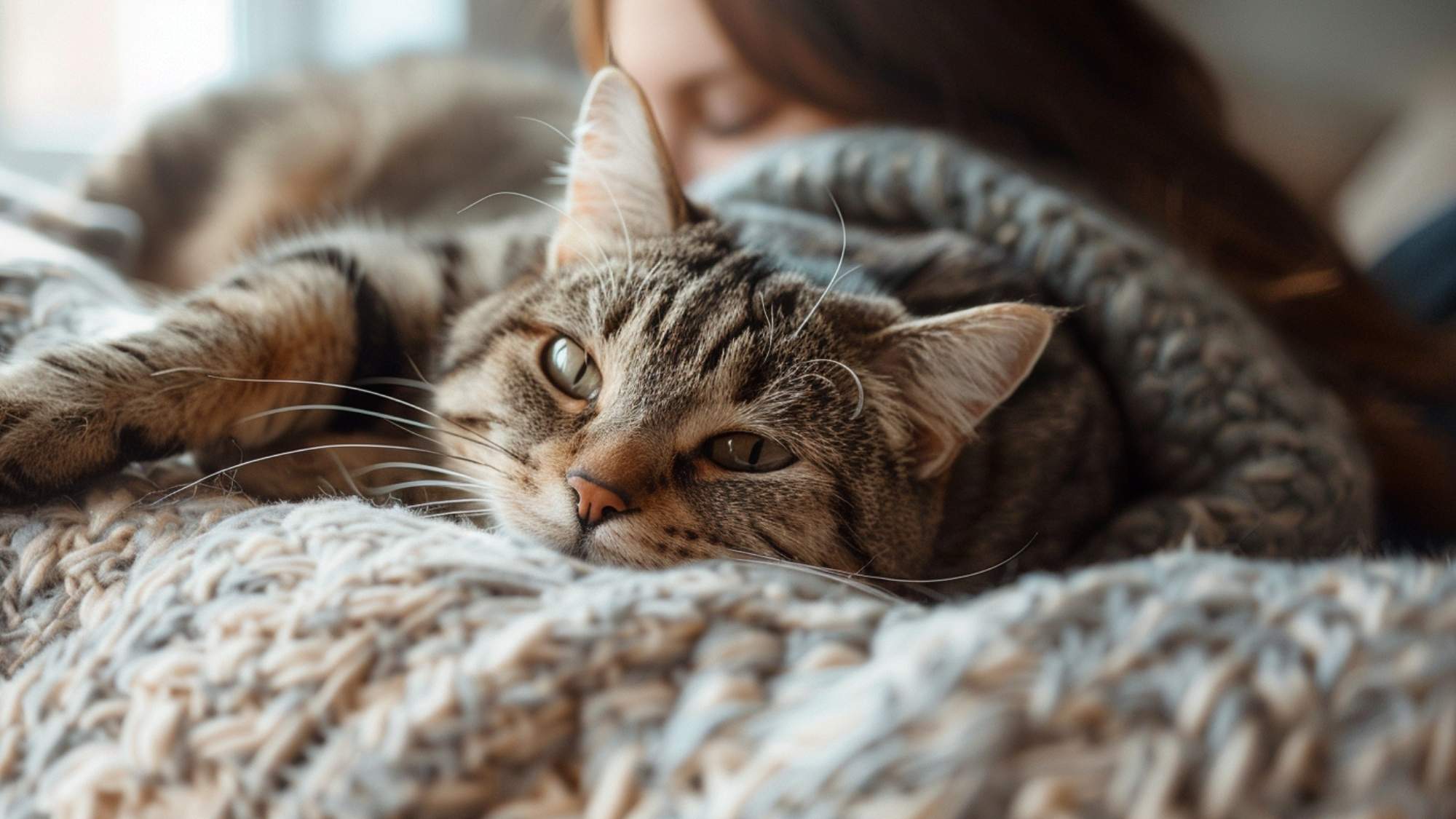
How to Tell If Your Cat Is In Pain: 12 Signs Every Owner Must Know
IS YOUR CAT IN PAIN? KEY SIGNS:
- Hiding more than usual
- Reduced grooming or over-grooming one area
- Changes in eating, drinking, or litter box use
- Vocalizing (growling, hissing, unusual meowing)
- Hunched posture or guarding a body part
- Aggression when touched in a specific area
- See vet immediately if any of these appear suddenly
Cats are masters at hiding pain.
This is not stubbornness or mystery — it is survival instinct. In the wild, showing weakness invites predators. So cats instinctively conceal discomfort, sometimes until they are severely ill.
This means by the time your cat shows obvious signs of pain, they have often been suffering for some time.
Learning to recognize the subtle early signs of pain in cats is one of the most important skills you can develop as a cat owner.
New cat? Find a name as unique as their character.
Browse 600+ cat names by gender and personality type — because every cat has a story.
Try Pet Name FinderWhy Cats Hide Pain
Wild cats and domestic cats share the same instinct: appearing strong and healthy protects them from predators.
This means:
- Cats rarely cry out in pain (unless it is sudden and severe)
- Changes in behavior are the primary pain signal
- By the time a cat looks obviously sick, the problem is often serious
- Annual vet exams are essential for early detection
12 Signs Your Cat May Be in Pain
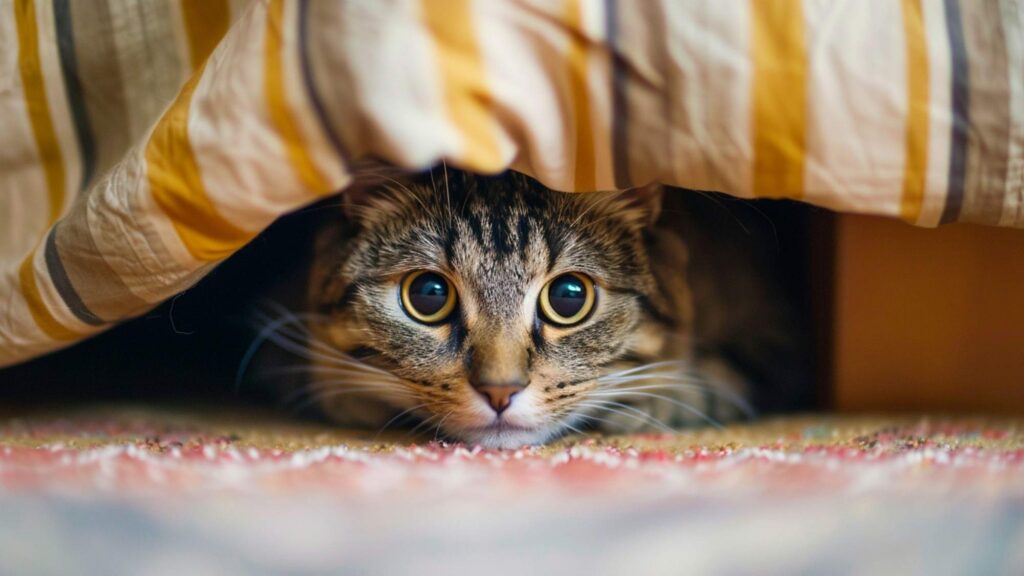
1. Hiding and Withdrawal
One of the most common and easily missed signs.
A cat in pain will often:
- Retreat to unusual hiding spots (under beds, in closets)
- Avoid family contact
- Seem distant or uninterested in interaction
When it is sudden or unusual for your cat: always take it seriously.
2. Changes in Facial Expression
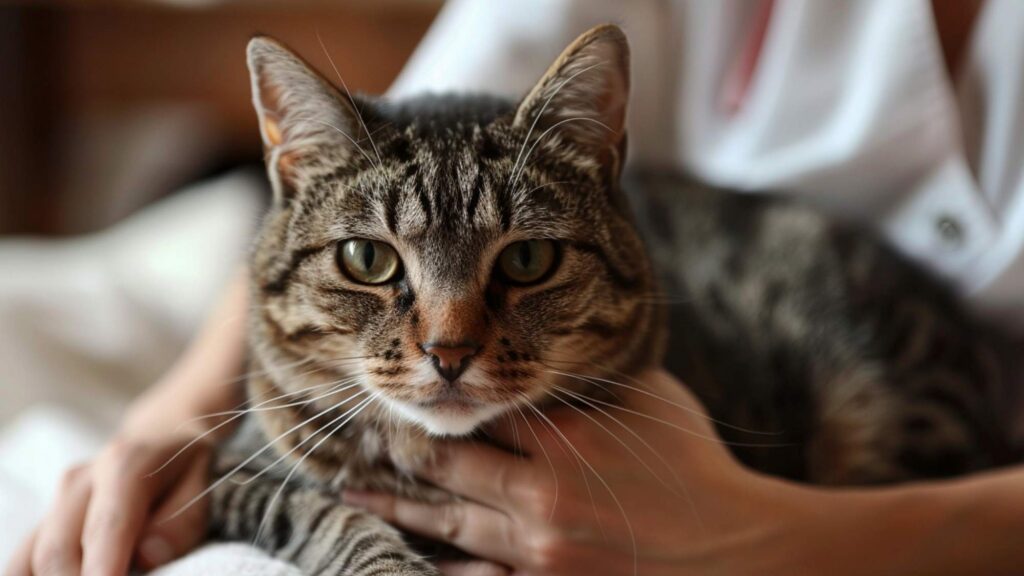
Researchers have developed the “Feline Grimace Scale” — cats show pain through facial changes:
- Squinted or partially closed eyes (not relaxed squinting)
- Ears flattened or rotated backward
- Whiskers pulled back or stiff
- Tense muzzle (nose and cheeks)
- Head positioned low and forward
3. Reduced Grooming
A cat in pain often stops grooming.
Signs:
- Dull, matted, or unkempt coat
- Fur looks oily or flat
- Cannot reach certain areas to groom (joint pain)
Over-grooming one specific area is also a pain signal — cats lick painful spots obsessively.
4. Changes in Posture and Movement
Pain changes how cats hold and move their bodies:
- Hunched posture (back arched, head low)
- Moving more slowly or stiffly
- Reluctance to jump up or down from surfaces
- Limping or favoring one leg
- Sitting in an unusual position
- Guarding or protecting a specific body part
5. Changes in Eating and Drinking
Pain frequently affects appetite:
- Reduced interest in food
- Difficulty eating (dental pain)
- Dropping food from mouth
- Eating only soft food (jaw or tooth pain)
- Increased or decreased water consumption
6. Litter Box Changes
Pain can make using the litter box difficult or impossible:
- Eliminating outside the litter box (may be too painful to climb in)
- Crying or vocalizing when urinating or defecating
- Reduced or absent urination (urinary pain — potential emergency)
- Changes in stool consistency

7. Changes in Vocalization
While cats hide pain, severe pain breaks through:
- Growling, hissing, or yowling without obvious cause
- Crying when touched in a specific area
- Unusual meowing patterns
- Uncharacteristic silence in normally vocal cats
8. Aggression When Touched
A normally gentle cat that suddenly bites or scratches when touched in a specific area is almost certainly in pain there.
Do not punish this behavior — it is communication. Note exactly where the cat reacts and tell your vet.
9. Breathing Changes
Pain can cause changes in breathing:
- Rapid or shallow breathing at rest
- Open-mouth breathing (always abnormal in cats at rest)
- Labored breathing
- Abdomen moving excessively with each breath
Breathing changes = see vet immediately.
10. Sleep and Rest Changes
- Sleeping much more than usual
- Inability to get comfortable (repositioning constantly)
- Choosing unusual sleeping spots (may indicate certain positions are painful)
- Restlessness or inability to settle
11. Eye Changes
- Dilated pupils (wide open) can indicate pain or fear
- Constricted pupils (very narrow) with squinting can indicate pain
- Third eyelid visible (nictitating membrane showing) often indicates illness or pain
12. Behavioral Changes
Any sudden, unexplained change in personality or behavior:
- Normally social cat becoming reclusive
- Normally independent cat becoming clingy
- Increased irritability
- Decreased interest in play
- Stopping previously enjoyed activities
Common Causes of Pain in Cats
Understanding what causes pain helps with early detection:
Dental disease: Very common, very painful, often undetected for years Arthritis: Extremely common in senior cats, frequently missed Urinary tract infection or blockage: Painful urination, potential emergency Wounds or injuries: May be hidden under fur Ear infections: Head shaking, scratching at ear Eye conditions: Squinting, discharge, pawing at face Internal disease: Kidney disease, pancreatitis, cancer Post-surgical pain: After any procedure
The Feline Grimace Scale
Veterinary researchers developed this tool to assess cat pain:
Evaluated features (each scored 0-2):
- Orbital tightening (eye squint)
- Ear position
- Muzzle tension
- Whisker change
- Head position
A total score of 4 or higher indicates moderate to severe pain requiring immediate veterinary attention.
You do not need to calculate a score — just knowing these features helps you notice when something is wrong with your cat’s face.
When to See the Vet Immediately
Go to an emergency vet without delay if your cat shows:
- Open-mouth breathing or labored breathing
- Crying loudly or constantly
- Complete inability to urinate (especially male cats — life-threatening emergency)
- Sudden collapse or inability to stand
- Paralysis of hind legs
- Obvious injury (wound, suspected broken bone)
- Pale, white, blue, or yellow gums
- Bloated abdomen
When to See Your Vet Soon (Within 24-48 hours)
Schedule a prompt vet appointment if your cat shows:
- Any of the 12 signs above that are new or unusual
- Not eating for more than 24 hours
- Hiding for more than 24 hours
- Limping or favoring a leg
- Changes in litter box habits
- Unusual aggression when touched
How Pain is Treated in Cats
Never give cats human pain medications.
The following are TOXIC to cats:
- Ibuprofen (Advil, Motrin) — toxic, potentially fatal
- Acetaminophen (Tylenol) — extremely toxic, fatal in small doses
- Aspirin — toxic to cats
Did your cat eat something dangerous? Find out right now.
Enter what they ate and their weight — get an instant toxicity assessment for 35+ substances.
Check Toxicity NowVeterinary pain management options:
- Prescription NSAIDs formulated for cats (meloxicam, robenacoxib)
- Opioid pain medications
- Gabapentin (nerve pain)
- Local anesthetics
- Joint supplements for arthritis
- Cold or warm therapy
- Environmental modifications for arthritic cats
Frequently Asked Questions
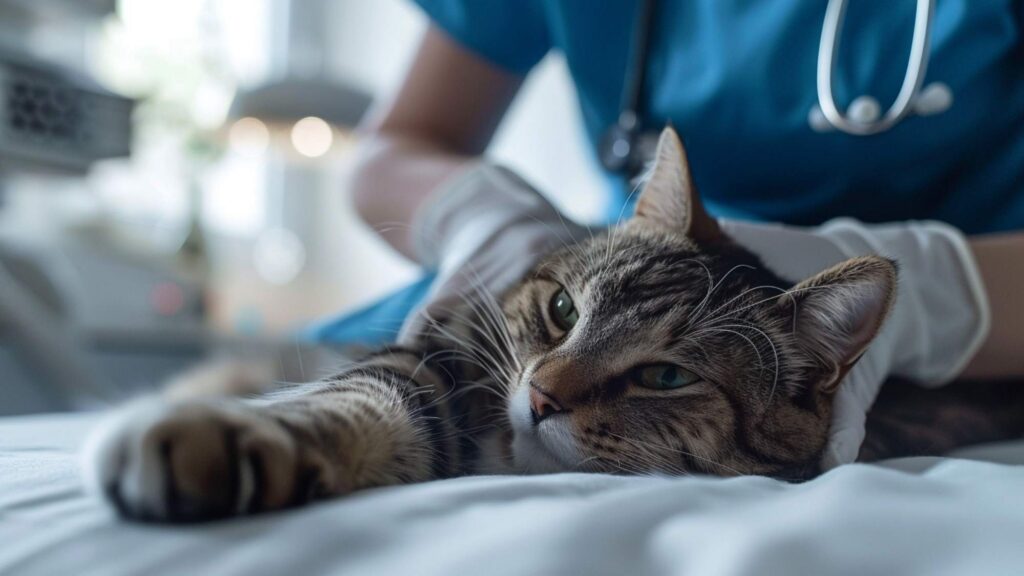
Q: Do cats cry when they are in pain? A: Rarely. Cats hide pain instinctively. Behavioral changes (hiding, reduced grooming, posture changes) are far more common pain signals than vocalization. When a cat does cry or yowl in pain, it is usually severe.
Q: Can I give my cat Tylenol for pain? A: Never. Acetaminophen (Tylenol) is extremely toxic to cats — even a small dose can be fatal. Never give cats any human pain medication without specific veterinary instruction.
Q: My cat is purring. Does that mean they are not in pain? A: No. Cats purr when content, but also when stressed, ill, or in pain. Purring is a self-soothing behavior. Do not assume purring means your cat is comfortable.
Q: How do I know if my senior cat has arthritis? A: Signs of arthritis in cats: reluctance to jump, stiffness when getting up, sleeping more, reduced grooming of hard-to-reach areas, personality changes, and sometimes urinating outside the litter box (too painful to climb in). Annual vet exams with X-rays detect arthritis early.
Q: My cat seems fine but is hiding a lot. Should I be worried? A: Yes — hiding is one of the most significant pain and illness signals in cats. If hiding is unusual for your cat and lasts more than 24 hours, schedule a vet visit.
Q: Can cats feel emotional pain? A: Yes. Cats experience stress, grief, anxiety, and depression. These can cause behavioral changes similar to physical pain. A vet can help distinguish physical from emotional distress.
The Bottom Line
Cats hide pain so effectively that owners often miss it until the problem is serious.
Key takeaways:
- Behavioral changes are the primary pain signal in cats
- Hiding, reduced grooming, posture changes, and appetite loss are key signs
- Never give cats human pain medication
- When in doubt, call your vet — early detection saves lives
- Annual vet exams catch what eyes miss
- A cat that suddenly acts differently is telling you something is wrong
Have you noticed your cat in pain? What were the signs you spotted? Share in the comments.
This article is based on peer-reviewed veterinary research including Cornell University College of Veterinary Medicine guidelines and the American Association of Feline Practitioners (AAFP) pain management guidelines.
This article is for informational purposes only. If you believe your cat is in pain, contact your veterinarian promptly. Do not attempt to treat pain at home with human medications.