Can Cats Eat Eggs? Benefits, Risks & How to Serve Them Safely
- Quick Answer: Yes, cats can eat eggs — but only cooked, plain, and in moderation. Eggs are a rich source of high-quality protein and essential amino acids that are nutritionally well-suited to cats as obligate carnivores. However, raw eggs are unsafe and should never be fed to cats, as they carry a risk of Salmonella and E. coli, and raw egg whites contain avidin — a protein that blocks biotin absorption and can cause deficiency over time. Cooked eggs should be limited to no more than 10% of your cat’s daily caloric intake.
- Expert Source: Guidelines in this article are drawn from the American Veterinary Medical Association (AVMA), the ASPCA Animal Poison Control Centre, PetMD’s veterinary nutrition team, and the Cummings Veterinary Medical Center at Tufts University guidance on feline food allergies.
- Last Updated: April 2026
Eggs are one of the most nutritionally complete foods in nature for humans — but does that translate to cats? As obligate carnivores whose bodies are built around animal-based protein, cats can theoretically benefit from many of the same nutrients eggs provide. The reality is somewhat nuanced, and the answer depends heavily on how the egg is prepared.
Can Cats Eat Eggs? The Short Answer
Yes — cooked eggs only. Never raw.
Cooked eggs are safe for most healthy cats when served plain and in appropriate amounts. They provide high-quality protein, essential amino acids, and several vitamins and minerals that support feline health. Veterinarian Dr. Laci Schaible includes eggs on her list of cat “superfoods” and offers her own cats scrambled eggs once a week.
Raw eggs, however, carry real health risks and should never be fed to cats under any circumstances.
Nutritional Value of Eggs for Cats
Cats are obligate carnivores — their bodies require nutrients found in animal tissue and are specifically adapted to process animal-based protein. This makes eggs a nutritionally compatible food.
| Nutrient | What It Does for Cats |
|---|---|
| High-quality protein | Supports lean muscle maintenance — easy to digest |
| Essential amino acids (all 9) | Taurine, lysine, methionine — critical for feline health |
| Vitamin A | Eye health, immune function |
| Vitamin D | Bone health, calcium absorption |
| Vitamin B12 | Neurological function, red blood cell formation |
| Choline | Brain function, cell membrane health |
| Riboflavin (B2) | Energy metabolism |
| Selenium | Antioxidant, thyroid function |
| Healthy fats | Energy, fat-soluble vitamin absorption |
The protein in eggs is particularly valuable — it has a biological value of approximately 100, meaning it contains all essential amino acids in proportions that the body can use almost entirely. This is why eggs are described as a high-quality protein source for carnivores.
The Risks – What Cat Owners Must Know
Raw Eggs: Never Feed These
The AVMA explicitly advises against feeding raw eggs to cats. Just like humans, cats can contract Salmonella or E. coli bacteria from consuming raw eggs. Symptoms of these bacterial infections include vomiting, diarrhoea, and lethargy — and in severe cases, the illness can be fatal.
Did your cat eat something dangerous? Find out right now.
Enter what they ate and their weight — get an instant toxicity assessment for 35+ substances.
Check Toxicity NowRaw egg whites carry an additional specific risk: avidin. Avidin is a protein found in raw egg white that binds to biotin (vitamin B7) and prevents its absorption in the gut. Biotin is essential for skin and coat health, cell growth, and fat metabolism. Regular consumption of raw egg whites can cause biotin deficiency, leading to skin problems, poor coat condition, and neurological symptoms. Cooking deactivates avidin entirely, which is why cooked eggs do not carry this risk.

Excess Fat and Calories
Egg yolks are high in fat and calories. Scrambled eggs or boiled eggs that contain yolks have an increased fat content, which raises calorie density and the risk of obesity. Fatty meals can also cause gastrointestinal upset and pancreatitis — inflammation of the pancreas that causes vomiting, diarrhoea, nausea, and in severe cases acute shock.
For cats prone to weight gain or with a history of pancreatitis, egg whites only (cooked) are the safer option. Egg whites contain almost no fat, making them the better protein source for cats with weight concerns.
Egg Allergies
Egg is a known allergen in cats. According to the Cummings Veterinary Medical Center at Tufts University, egg is among the more common food allergens in cats and dogs — though the overall percentage of pets with food allergies remains low. Signs of an egg allergy include itching, skin infections, ear infections, and gastrointestinal issues. Introduce eggs gradually and monitor closely.
Seasonings and Additives
Almost everything humans add to eggs is unsafe for cats:
| Additive | Risk to Cats |
|---|---|
| Salt | Toxic in significant amounts — causes vomiting, diarrhoea, excessive thirst, neurological signs |
| Butter or oil | Excess fat — digestive upset, obesity, pancreatitis risk |
| Milk or cream | Most cats are lactose intolerant — causes diarrhoea |
| Garlic or onion | Highly toxic to cats — can cause haemolytic anaemia |
| Pepper or spices | GI irritation |
| Cheese | High fat, high salt — not appropriate |
Plain cooked eggs only — no exceptions.
How Much Egg Can a Cat Eat?
Eggs should make up no more than 10% of your cat’s total daily caloric intake. The 90/10 rule applies here: 90% of daily calories from complete, balanced cat food; maximum 10% from treats and extras.
| Cat Size | Approximate Safe Amount |
|---|---|
| Small cat (under 3.5 kg) | 1 teaspoon cooked egg |
| Average cat (3.5–5 kg) | 1–2 teaspoons cooked egg |
| Large cat (over 5 kg) | Up to 1 tablespoon cooked egg |
These amounts can be offered a few times per week, not daily. Eggs are a treat and a supplement — not a meal replacement. Commercial cat food is formulated to provide the complete nutritional profile cats require, including sufficient taurine, which eggs do not provide in adequate amounts on their own.

How to Safely Prepare Eggs for Your Cat
Best Preparation Methods
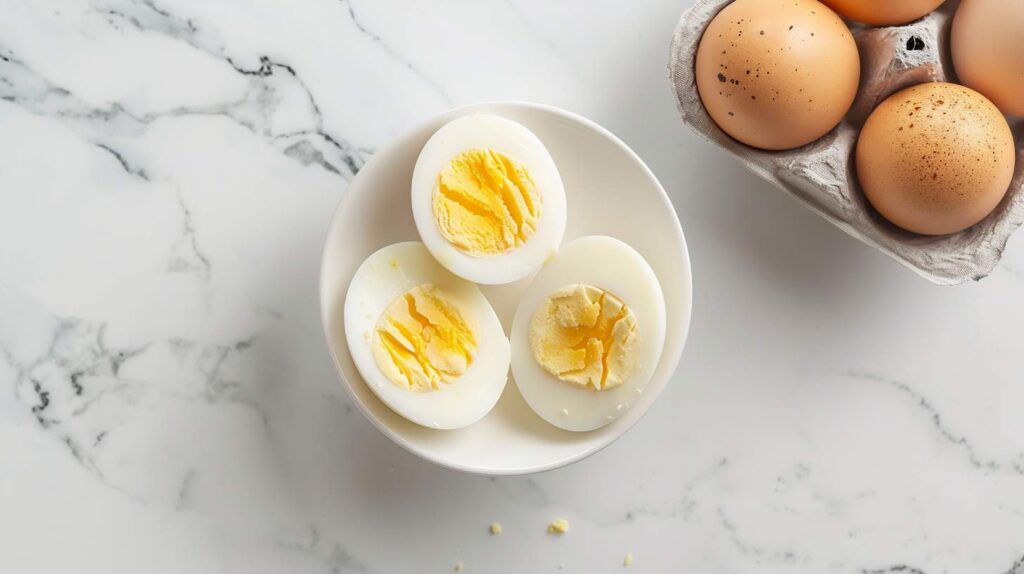
Hard-boiled egg (best option): Boil thoroughly, allow to cool completely, peel, and chop into small pieces. No fat involved in cooking, simple to prepare, easy to portion.
Scrambled egg (plain): Cook in a non-stick pan with no butter, oil, milk, or seasoning. Allow to cool, break into small pieces. This is the method Dr. Laci Schaible uses for her own cats.
Poached egg: Poached without oil or seasoning is also appropriate. Remove any loose white that is undercooked.
What Not to Do
- Never serve raw or undercooked eggs
- Never add salt, butter, oil, spices, milk, or cheese
- Never serve eggs hot — always allow to cool completely
- Never serve eggs from your own plate if they contain any seasoning
Introducing Eggs for the First Time
Start with a very small amount — half a teaspoon — and observe your cat for 24–48 hours. Watch for vomiting, diarrhoea, itching, or changes in appetite. If no reaction occurs, you can gradually offer the portion sizes described above on an occasional basis.
Can Kittens Eat Eggs?
Kittens can eat small amounts of cooked egg, but with additional caution. Kittens need a complete, formulated diet to ensure they have all the nutrients required for growth — eggs should never replace or significantly displace complete kitten food.
The serving size for kittens should be smaller than for adult cats — a few small pieces rather than a full teaspoon. Always consult your vet before introducing any new food to a kitten.
Can Cats Eat Egg Shells?
Eggshells are a source of calcium and can theoretically be used as a mineral supplement in powdered form. However, mineral supplementation should only be done under veterinary guidance — excess calcium can cause problems including urinary issues and imbalanced bone development in kittens.
Whole eggshell fragments are not appropriate to feed — they have sharp edges that can irritate the mouth, throat, and digestive tract. If you are considering adding powdered eggshell to a home-prepared cat diet, work with a veterinary nutritionist to ensure the overall diet is balanced.
Eggs and Specific Health Conditions
| Condition | Egg Feeding Guidance |
|---|---|
| Overweight / obese | Egg whites only — no yolk; monitor calories strictly |
| Pancreatitis history | Avoid — high fat yolks are a trigger |
| Kidney disease | Consult vet — eggs contain phosphorus which may need limiting |
| Diabetes | Consult vet — eggs can be suitable but portion control is critical |
| Known food allergy | Introduce very cautiously or avoid if egg allergy suspected |
| Healthy adult cat | Cooked whole egg in moderation is appropriate |
Frequently Asked Questions About Cats and Eggs
Safety Questions
Can cats eat raw eggs? No — never. Raw eggs carry a risk of Salmonella and E. coli bacterial contamination that can cause serious illness in cats. Raw egg whites also contain avidin, which prevents biotin absorption and causes deficiency when consumed regularly. The AVMA explicitly advises against feeding raw eggs to pets. Cook all eggs thoroughly before offering them to your cat.
Can cats eat scrambled eggs? Yes, provided they are cooked plain — no butter, oil, milk, salt, or seasoning. Plain scrambled eggs cooked in a non-stick pan with no additives are one of the most practical ways to offer egg to a cat.
Can cats eat boiled eggs? Yes. Hard-boiled eggs, fully peeled and allowed to cool, are one of the safest ways to offer egg to a cat. Chop into small pieces appropriate to your cat’s size before serving.
Can cats eat egg yolk? Yes, in moderation. Egg yolks are rich in fat-soluble vitamins, choline, and healthy fats — but their high fat content means they should be limited, particularly for cats prone to obesity or pancreatitis. A small amount of yolk once or twice a week is typically safe for healthy adult cats.
Can cats eat egg whites only? Yes — and for cats with weight concerns or a history of digestive issues, egg whites are the better option. Cooked egg whites provide high-quality protein with almost no fat, making them appropriate for cats where yolk fat is a concern.
Feeding Questions
How often can I give my cat eggs? A few times per week is generally appropriate for healthy adult cats. Daily feeding is possible in small quantities but consult your vet first, particularly if your cat has any underlying health conditions. Always keep egg portions within the 10% daily calorie guideline.
My cat ate raw egg accidentally — what should I do? A single accidental consumption of raw egg is unlikely to cause serious harm in a healthy adult cat, but monitor for vomiting, diarrhoea, and lethargy for 24–48 hours. If symptoms develop, contact your vet. Regular raw egg feeding is a different matter — this should not become a habit.
Are there cats who should not eat eggs at all? Yes. Cats with known egg allergies should avoid eggs entirely. Cats with pancreatitis, chronic kidney disease, or diabetes should only receive eggs under veterinary guidance, as these conditions require carefully managed diets. If your cat has any ongoing health condition, always check with your vet before introducing eggs.
Key Takeaways
Cooked eggs are a safe, nutritious occasional treat for most healthy cats — providing high-quality protein, essential amino acids, and valuable vitamins in a form that suits their carnivore digestive systems. Raw eggs should never be fed, for both bacterial safety reasons and the biotin-blocking effect of raw egg white. Serve eggs plain, cooked thoroughly, cooled completely, and in small amounts — never exceeding 10% of daily calories. Eggs complement a balanced commercial cat food diet but cannot replace it. When in doubt, check with your vet before introducing any new food.
New cat? Find a name as unique as their character.
Browse 600+ cat names by gender and personality type — because every cat has a story.
Try Pet Name FinderThis article is for informational purposes only and does not replace advice from a qualified veterinarian. For dietary concerns about your cat, always consult your vet.