Can Cats Eat Tuna? Vet-Backed Safety Guide (2026)
This article is based on peer-reviewed veterinary research including Cornell University College of Veterinary Medicine guidelines and American Veterinary Medical Association (AVMA) recommendations.
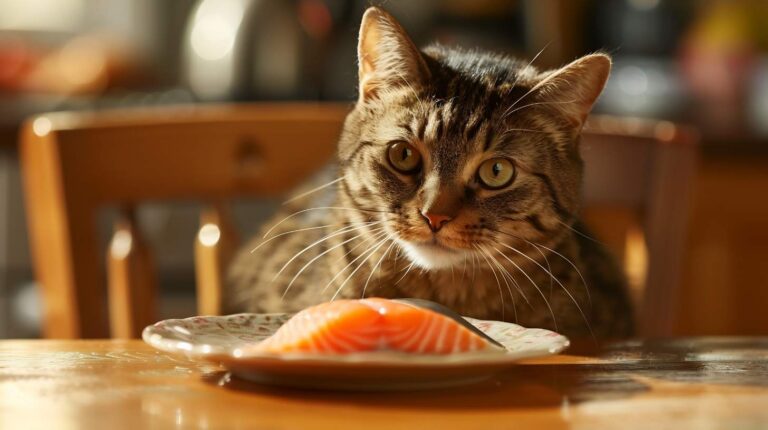
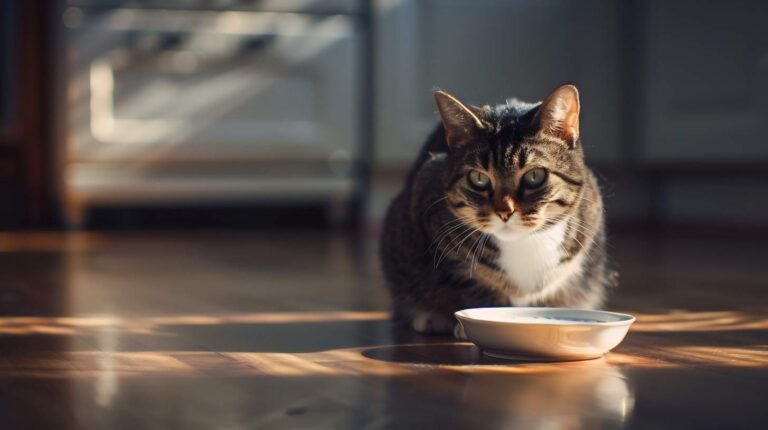
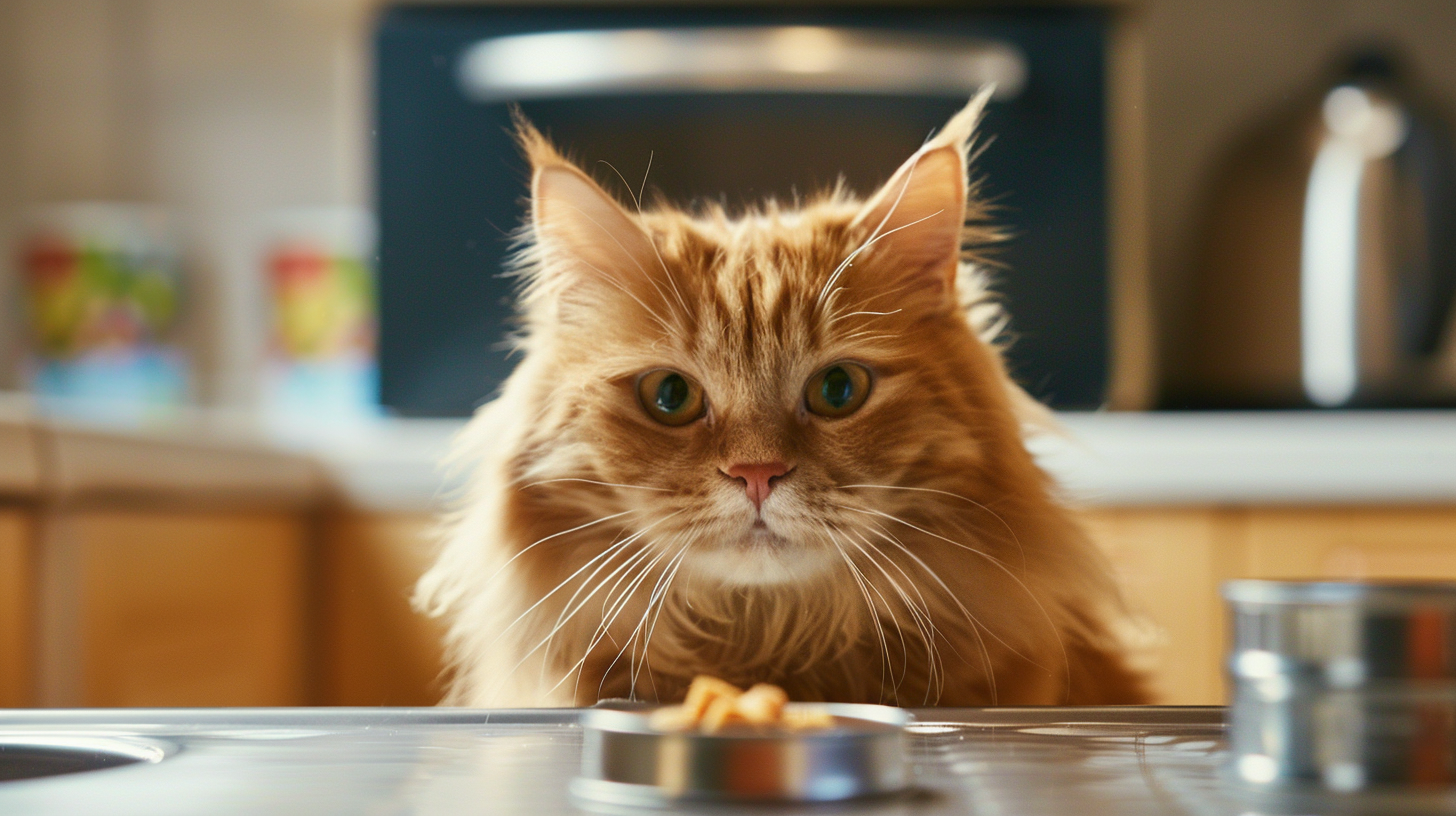
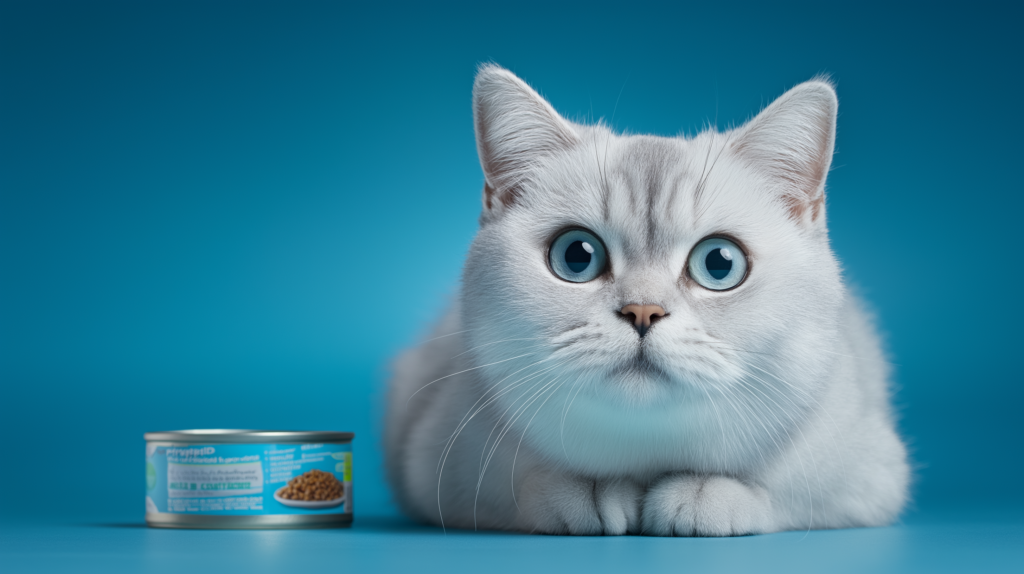
You open a can of tuna, and suddenly your cat appears from nowhere, meowing insistently. Those big eyes beg for a bite. You wonder: Is tuna safe for cats? Can I share my lunch?
Quick answer: Yes, cats can eat tuna in small amounts, BUT there are important risks every cat owner should know.
While an occasional tuna treat won’t harm most cats, regular tuna consumption can lead to serious health problems—from mercury poisoning to nutritional deficiencies.
This complete guide covers everything about cats and tuna: safety concerns, proper serving sizes, which types to avoid, and healthier alternatives.
New cat? Find a name as unique as their character.
Browse 600+ cat names by gender and personality type — because every cat has a story.
Try Pet Name FinderCan Cats Eat Tuna? The Short Answer
✅ YES, But With Major Caveats
Tuna is safe for cats in moderation, but:
- Should NOT be a daily food
- Must be given in very small amounts
- Canned tuna for humans is NOT ideal for cats
- Tuna-flavored cat food is safer than actual tuna
- Some cats should avoid tuna entirely
Why Do Cats Love Tuna So Much?
The Science Behind the Obsession
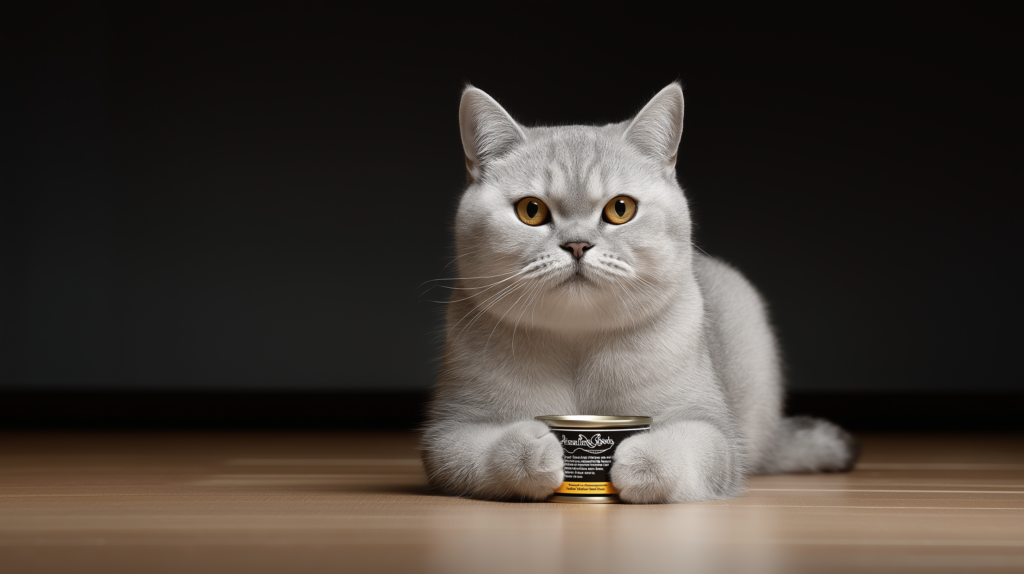
Cats are hardwired to crave tuna for several reasons:
1. Strong Smell:
- Cats have 200 million scent receptors (vs. humans’ 5 million)
- Tuna’s pungent fish odor is irresistible
- The smell triggers hunting instincts
2. High Protein:
- Obligate carnivores need animal protein
- Tuna is 25% protein
- Satisfies natural dietary needs
3. Umami Flavor:
- Cats can taste amino acids in fish
- Tuna is rich in glutamate (savory flavor)
- Creates addiction-like craving
4. Fat Content:
- Cats prefer high-fat foods
- Tuna contains omega-3 fatty acids
- Palatability factor off the charts
The problem? Just because cats love it doesn’t mean it’s good for them—like humans and candy!
The Dangers of Feeding Tuna to Cats
Risk #1: Mercury Poisoning
Tuna contains mercury—a toxic heavy metal.
Why it’s dangerous:
Mercury accumulation:
- Large fish like tuna eat smaller fish
- Mercury accumulates in their tissue (biomagnification)
- Cats eating tuna regularly accumulate mercury over time
- No safe way to remove mercury once ingested
Symptoms of mercury poisoning in cats:
- Loss of coordination (ataxia)
- Loss of balance
- Difficulty walking
- Tremors or seizures
- Vision problems
- Behavioral changes
- Kidney damage (long-term)
Which tuna has the most mercury?
| Tuna Type | Mercury Level | Risk |
|---|---|---|
| Albacore (white) | Highest | ⚠️⚠️⚠️ Avoid |
| Yellowfin | High | ⚠️⚠️ Limit |
| Skipjack (light) | Lower | ⚠️ Occasional only |
Albacore tuna = WORST for cats. If you must give tuna, use light tuna (skipjack) in tiny amounts.
Risk #2: Nutritional Imbalance
Tuna lacks essential nutrients cats need.
What’s missing?
Taurine deficiency:
- Cats cannot produce taurine (essential amino acid)
- Tuna contains some taurine, but not enough
- Deficiency causes:
- Heart disease (dilated cardiomyopathy)
- Blindness (retinal degeneration)
- Reproductive issues
Vitamin E deficiency:
- Tuna is low in vitamin E
- Deficiency causes “yellow fat disease” (steatitis)
- Symptoms: painful, inflamed fat tissue, lethargy, fever
Calcium-phosphorus imbalance:
- Tuna is high in phosphorus, low in calcium
- Causes bone problems over time
The danger: If tuna becomes a primary food source, your cat will develop serious nutritional deficiencies within weeks to months.
Risk #3: Thiamine Deficiency (Vitamin B1)
Raw tuna contains thiaminase—an enzyme that destroys thiamine.
Why it matters:
- Thiamine is essential for nervous system function
- Deficiency causes neurological problems
- Symptoms:
- Loss of appetite
- Seizures
- Head tilting
- Walking in circles
- Collapse
Note: Cooked tuna doesn’t have this issue (heat destroys thiaminase), but canned tuna is usually cooked.
Risk #4: Tuna Addiction (Yes, Really!)
Cats can become addicted to tuna.
How it happens:
- Tuna’s strong flavor overstimulates taste buds
- Cat refuses other foods
- Becomes a picky eater
- Leads to nutritional deficiencies (see Risk #2)
Signs your cat is “tuna-addicted”:
- Refuses regular cat food
- Only eats when tuna is added
- Begs constantly for tuna
- Weight loss (from not eating regular food)
Breaking the addiction: Requires gradually weaning off tuna over 1-2 weeks (more on this later).
Risk #5: High Sodium (Canned Tuna for Humans)
Most canned tuna for humans contains added salt.
Why it’s bad:
- Cats need very little sodium
- Excess salt causes:
- Dehydration
- Increased thirst/urination
- High blood pressure
- Kidney strain (especially in older cats or cats with kidney disease)
Even “low sodium” tuna has too much salt for cats.
Did your cat eat something dangerous? Find out right now.
Enter what they ate and their weight — get an instant toxicity assessment for 35+ substances.
Check Toxicity NowTypes of Tuna: Safe vs. Dangerous
Canned Tuna for Humans
Types:
Tuna in Water:
- ⚠️ Occasionally acceptable (tiny amounts)
- Still has mercury and sodium
- Not nutritionally complete
- Better than tuna in oil
Tuna in Oil:
- ❌ Avoid
- Too much fat for cats
- Can cause diarrhea, vomiting
- Pancreatitis risk
Tuna in Brine:
- ❌ NEVER feed to cats
- Extremely high sodium
- Dehydration risk
Flavored Tuna (with garlic, onion, etc.):
- ❌ TOXIC
- Garlic and onion are poisonous to cats
- Can cause anemia
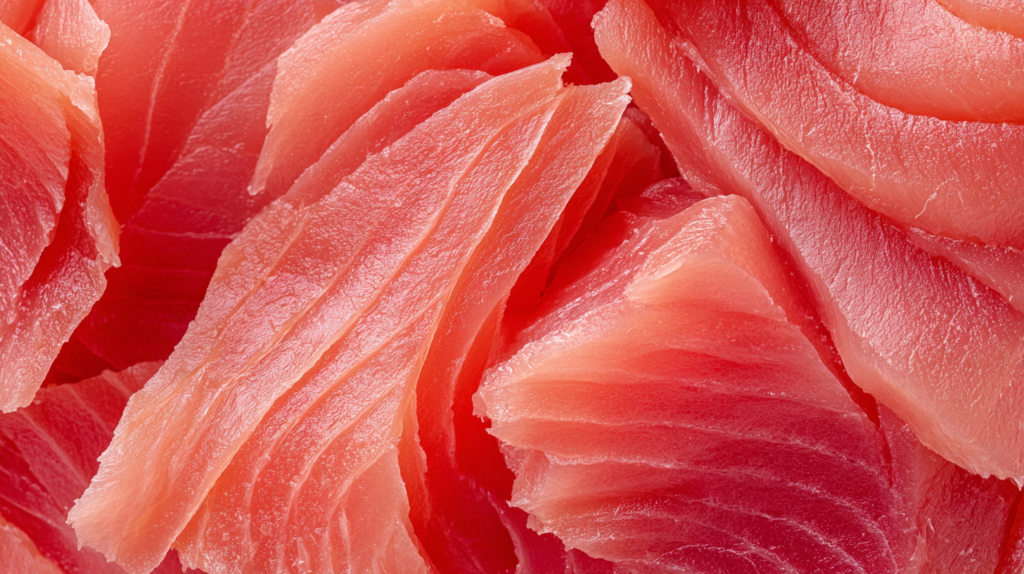
Raw Tuna
Fresh, raw tuna (sushi-grade):
- ❌ Not recommended
- Contains thiaminase (destroys vitamin B1)
- Parasite risk
- Bacterial contamination (E. coli, Salmonella)
- Mercury concerns still apply
Tuna-Flavored Cat Food
✅ BEST option if your cat loves tuna!
Why it’s safer:
- Formulated for cats (nutritionally complete)
- Taurine added
- Mercury levels controlled
- Lower sodium
- Balanced with other ingredients
Still use in moderation: Even tuna-flavored cat food shouldn’t be 100% of diet. Rotate with other protein sources (chicken, beef, lamb).

How Much Tuna Can Cats Eat Safely?
Safe Serving Guidelines
Frequency: NO MORE than once or twice per week
Amount:
| Cat Size | Safe Amount | Frequency |
|---|---|---|
| Kitten | 1/2 teaspoon | Once/week max |
| Small cat (under 8 lbs) | 1 teaspoon | 1-2x/week max |
| Average cat (8-12 lbs) | 1-2 teaspoons | 1-2x/week max |
| Large cat (12+ lbs) | 1 tablespoon | 1-2x/week max |
Rule of thumb: Tuna should be less than 10% of weekly diet.
Example weekly diet for average cat:
- Monday-Saturday: Regular cat food
- Sunday: 1 teaspoon tuna as treat
When Cats Should NOT Eat Tuna
❌ Avoid tuna entirely if your cat has:
Kidney disease:
- High protein in tuna strains kidneys
- Phosphorus content problematic
- Sodium worsens kidney function
Heart disease:
- Sodium increases blood pressure
- Mercury can worsen cardiac function
Food allergies:
- Some cats are allergic to fish
- Symptoms: itching, skin rashes, digestive upset
Hyperthyroidism:
- Fish (including tuna) may contribute to thyroid issues
- Avoid if cat has diagnosed hyperthyroidism
Kittens under 8 weeks:
- Developing digestive systems can’t handle
- Need mother’s milk or kitten formula only
Pregnant/nursing cats:
- Mercury passes to kittens
- Not worth the risk
How to Safely Feed Tuna to Your Cat
If You Decide to Give Tuna:
Step 1: Choose the Right Type
- ✅ Light tuna (skipjack) in water, no salt added
- ✅ Drain ALL water
- ❌ Never albacore, flavored, or tuna in oil/brine
Step 2: Portion Control
- Measure carefully (use measuring spoon)
- Don’t eyeball amounts
- Remember: tiny amounts only!
Step 3: Serve Properly
- Room temperature (not cold from fridge)
- Mix with regular cat food (if introducing)
- Don’t hand-feed (encourages begging)
Step 4: Monitor Your Cat
- Watch for digestive upset (vomiting, diarrhea)
- Check for allergic reactions
- Observe eating habits (is cat refusing other food?)
Step 5: Frequency
- Set a schedule (e.g., “Tuna Sundays”)
- Don’t give in to begging between scheduled days
- Keep other family members informed (so cat isn’t fed twice)
Healthier Alternatives to Tuna
Better Treat Options:
1. Cooked Chicken (Plain)
- Low mercury
- High protein
- Most cats love it
- Nutritionally safer
2. Cooked Turkey
- Similar benefits to chicken
- Good alternative protein
3. Cooked Salmon (Small amounts)
- Omega-3 benefits
- Lower mercury than tuna
- Still give sparingly
4. Commercial Cat Treats
- Formulated for cats
- Nutritionally balanced
- Freeze-dried meat treats are excellent
5. Cooked Egg (Scrambled, no butter/oil)
- Protein-rich
- Safe in moderation
- Easy to digest
Breaking Tuna Addiction
If Your Cat Refuses Non-Tuna Food:
Week 1: Gradual Reduction
Day 1-2: 75% regular food + 25% tuna (mixed)
Day 3-4: 85% regular food + 15% tuna
Day 5-7: 90% regular food + 10% tuna
Week 2: Final Phase
Day 8-10: 95% regular food + 5% tuna
Day 11-14: 100% regular food, no tuna
Tips to make it work:
- Warm the food slightly (releases aroma)
- Try different protein flavors (chicken, beef, seafood)
- Use food puzzles (makes eating more engaging)
- Don’t give in to begging! (it will get worse before it gets better)
If cat still refuses to eat after 24 hours: Call your vet. Cats should never go more than 24-48 hours without food (risk of hepatic lipidosis).
Can Kittens Eat Tuna?
Special Considerations for Kittens
Under 8 weeks: NO tuna. Mother’s milk or kitten formula only.
8 weeks to 6 months:
- Occasional tiny taste (1/4 teaspoon) is okay
- Not recommended as regular treat
- Focus on kitten-formulated food
6 months to 1 year:
- Can have small amounts (1/2 teaspoon)
- No more than once per week
- Monitor closely for digestive upset
Why kittens need special care:
- Developing bodies more sensitive to toxins
- Need specific nutrients for growth
- Smaller body size = mercury accumulates faster
Signs Your Cat Ate Too Much Tuna
When to See a Vet
Immediate symptoms (within hours):
- Vomiting
- Diarrhea
- Lethargy
- Excessive thirst
- Frequent urination
Long-term symptoms (weeks/months of regular tuna):
- Loss of coordination
- Tremors or seizures
- Weakness in back legs
- Vision problems
- Poor coat quality
- Weight loss despite eating
- Yellowing skin (jaundice – vitamin E deficiency)
If you notice any of these: Contact your vet immediately.
Tuna vs. Other Fish for Cats
Which Fish Are Safer?
| Fish Type | Mercury Level | Safety for Cats |
|---|---|---|
| Tuna | High | ⚠️ Occasional only |
| Salmon | Low-Moderate | ✅ Better choice |
| Sardines | Very Low | ✅ Excellent option |
| Mackerel | Low | ✅ Good choice |
| Cod | Low | ✅ Safe option |
| Tilapia | Very Low | ✅ Very safe |
Best fish for cats: Sardines (small, low mercury, high omega-3)
Common Questions
Q: Can cats eat tuna every day?
A: NO. Daily tuna leads to mercury poisoning, nutritional deficiencies, and tuna addiction. Limit to 1-2 times per week max.
Q: Is tuna juice (water from can) safe?
A: Only if it’s “no salt added” tuna in water. Most tuna juice contains too much sodium. Better to offer plain water.
Q: Can cats eat tuna salad or tuna sandwiches?
A: NO. These contain mayonnaise, onions, celery, or other ingredients toxic/unhealthy for cats.
Q: My cat only eats tuna. What do I do?
A: Your cat is addicted. Follow the gradual weaning process (see “Breaking Tuna Addiction” above). This is a serious health concern.
Q: Is tuna-flavored dry cat food safe?
A: Yes, much safer than actual tuna! It’s formulated for cats with controlled mercury levels and added nutrients.
Q: Can cats eat raw tuna?
A: Not recommended. Raw tuna contains thiaminase (destroys vitamin B1) and may harbor parasites/bacteria.
The Bottom Line
Cats can eat tuna, but it should be a rare treat—not a regular food.
Key takeaways:
- 🟢 Small amounts (1-2 teaspoons) once or twice per week = Generally safe
- 🔴 Daily tuna or large amounts = Dangerous (mercury, nutritional deficiencies)
- ✅ Light tuna in water (no salt added) is safest if you must give tuna
- ❌ Albacore tuna = highest mercury, avoid
- 🐱 Tuna-flavored cat food > actual tuna for humans
- 🚫 Cats with kidney disease, heart disease, or hyperthyroidism should avoid tuna entirely
Better approach: Use tuna as an occasional special treat while feeding nutritionally complete cat food as the primary diet. Your cat may beg for tuna, but you’re the one making decisions for their long-term health!
For more on what cats can safely eat, read our guide on Can Cats Eat Chicken?
Does your cat go crazy for tuna? How do you handle it? Share in the comments!
This article is for informational purposes only. Always consult your veterinarian before making significant changes to your cat’s diet, especially if your cat has health conditions.