Cat Hairballs – Causes & Solutions
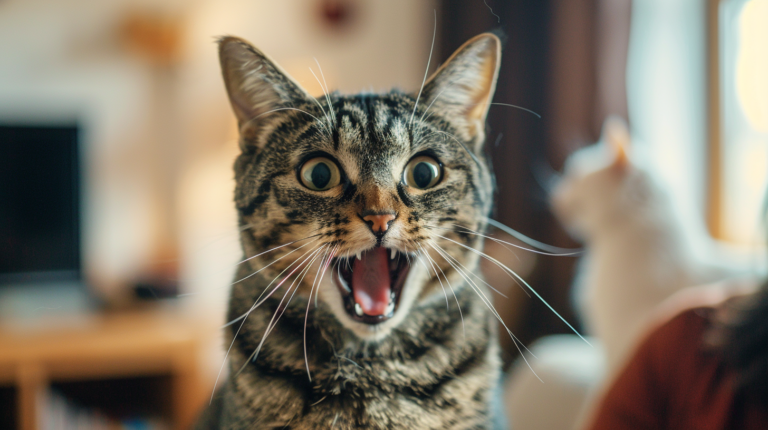
You hear that distinctive hacking sound. Your cat crouches, body heaving, and moments later produces a wet, tubular mass of hair on your floor.
Hairballs are unpleasant but common in cats. Most cat owners will deal with them at some point.
But here’s what many don’t know: Frequent hairballs can signal underlying health issues. And there are effective ways to reduce or eliminate them.
This guide explains why hairballs happen, how to prevent them, and when they indicate a problem requiring veterinary attention.
New cat? Find a name as unique as their character.
Browse 600+ cat names by gender and personality type — because every cat has a story.
Try Pet Name FinderWhat Are Hairballs?
Hairballs, technically called trichobezoars, are masses of hair that accumulate in your cat’s digestive tract.
When cats groom themselves, their tongues catch loose fur. Most of this hair passes through the digestive system and exits in feces.
Sometimes, hair accumulates in the stomach instead of passing through. When enough builds up, your cat vomits it out as a hairball.
Despite the name, hairballs are usually tubular or cylindrical in shape, not round. This is because they form in the esophagus as they’re vomited up.
Why Do Cats Get Hairballs?
The Grooming Factor
Cats are meticulous groomers. They spend up to 50 percent of their waking hours grooming.
Their tongues have backward-facing barbs called papillae. These barbs are excellent for removing loose fur, dirt, and debris. But they also trap hair, which the cat swallows.
Most swallowed hair passes through the digestive tract without issue. In some cats, however, hair accumulates in the stomach.
Contributing Factors
Several factors increase hairball frequency:
Long hair: Persian, Maine Coon, and other long-haired breeds swallow more fur during grooming.
Excessive shedding: Seasonal shedding or health issues causing hair loss increase ingested fur.
Over-grooming: Stress, anxiety, allergies, or skin conditions may cause excessive grooming.
Poor diet: Low-quality food or insufficient fiber can slow digestive transit, allowing hair to accumulate.
Dehydration: Insufficient water intake thickens stomach contents, making hair more likely to clump.
Digestive issues: Slow gut motility, inflammation, or other GI problems prevent hair from passing normally.
Age: Senior cats often have slower digestion and may develop more hairballs.
How Often Are Hairballs Normal?
Occasional hairballs are normal for most cats.
Normal frequency:
Once every few weeks to once per month is generally acceptable for long-haired cats.
Once every month or two for short-haired cats.
Concerning frequency:
More than once per week indicates a problem.
Multiple hairballs per day is abnormal and requires veterinary evaluation.
If your cat has never had hairballs and suddenly starts producing them regularly, see your vet.

Signs Your Cat Is About to Vomit a Hairball
Most cats show predictable pre-vomiting behavior:
Gagging or retching sounds. Crouching position with extended neck. Repeated swallowing. Heaving abdominal contractions. Producing foam or liquid before the hairball.
This process can take several seconds to a minute. Once you recognize these signs, you can quickly move your cat to an easy-to-clean surface.
When Hairballs Indicate a Health Problem
Red Flags Requiring Vet Visit
Frequent hairballs: More than once per week suggests digestive issues, dietary problems, or over-grooming.
Hairballs with blood: Red or brown material in the hairball indicates gastrointestinal bleeding.
Inability to produce hairball: Gagging and retching without producing a hairball may indicate an obstruction.
Loss of appetite: If your cat stops eating alongside increased hairball attempts, seek veterinary care.
Lethargy: Unusual tiredness combined with hairball issues suggests illness.
Constipation: Straining in the litter box alongside hairball problems may indicate intestinal blockage.
Weight loss: Unexplained weight loss with frequent hairballs requires investigation.
Diarrhea: Digestive upset combined with hairball issues needs evaluation.
Conditions That May Cause Excessive Hairballs
Inflammatory bowel disease: Chronic GI inflammation slows digestion and increases hairball formation.
Food allergies or sensitivities: Can cause over-grooming and digestive issues.
Hyperthyroidism: Common in senior cats, increases metabolism and grooming behavior.
Intestinal parasites: Worms can slow digestion and cause increased hairballs.
Skin conditions: Allergies, fleas, or dermatitis cause excessive grooming.
Stress or anxiety: Behavioral over-grooming increases fur ingestion.
Megacolon: Enlarged colon slows waste movement, trapping hair.
If your cat has frequent hairballs, your vet will evaluate for these underlying conditions.

Hairball vs. Other Vomiting
Not all cat vomiting is hairball-related.
Hairball characteristics:
Tubular shape molded by esophagus. Primarily composed of matted fur. May include small amount of food or fluid. Cat appears normal after vomiting.
Other vomiting:
Liquid, food, or foam without significant hair. Frequent vomiting multiple times per day. Cat seems ill, lethargic, or uncomfortable after vomiting. Vomiting occurs shortly after eating consistently.
If your cat vomits regularly without producing hairballs, this is not a hairball problem. See your vet to investigate other causes.
How to Prevent Hairballs
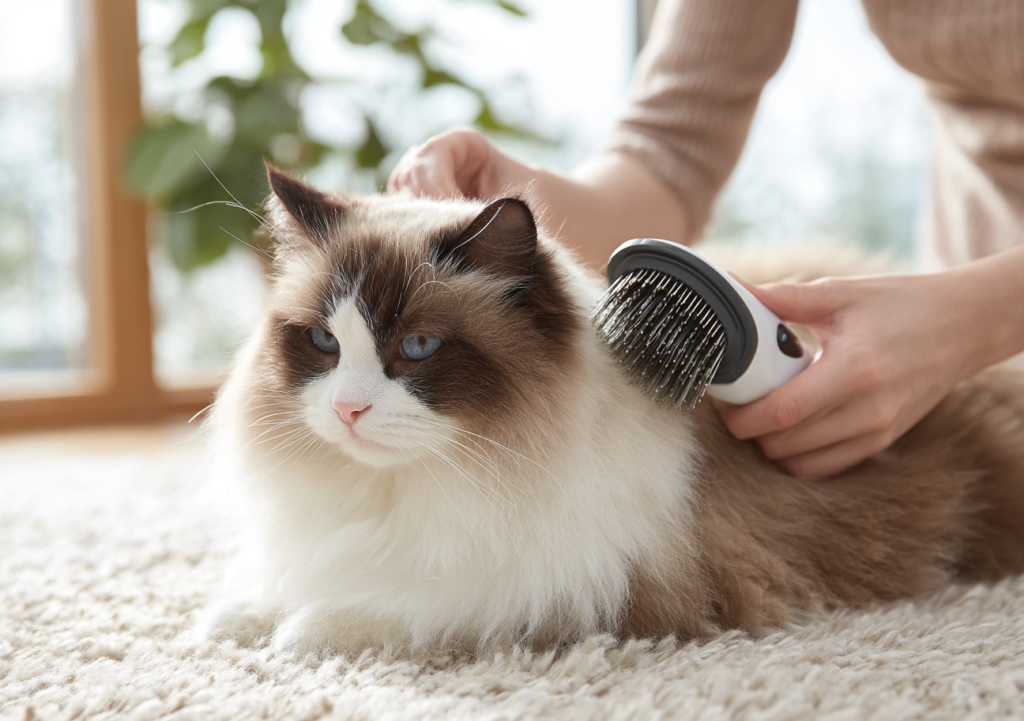
Strategy 1: Regular Brushing
The most effective hairball prevention is removing loose fur before your cat swallows it.
Brushing frequency:
Long-haired cats: Daily brushing, 10-15 minutes.
Short-haired cats: 2-3 times weekly, 5-10 minutes.
Heavy shedders: Daily during shedding season.
Best brush types:
Slicker brushes remove loose undercoat effectively. Deshedding tools like FURminator reduce shedding by up to 90 percent. Metal combs work well for long-haired cats. Grooming gloves are good for cats who dislike traditional brushes.
How to brush:
Choose a time when your cat is relaxed. Brush in the direction of fur growth. Pay extra attention to areas cats can’t easily reach: back, sides, base of tail. Collect and dispose of brushed fur so cat doesn’t re-ingest it. Reward with treats to create positive association.
Strategy 2: Specialized Hairball Formula Food
Commercial hairball control diets are formulated with higher fiber to move hair through the digestive system.
How they work:
Increased fiber adds bulk to stool and promotes intestinal motility. This helps hair pass through rather than accumulating in the stomach.
Effective ingredients to look for:
Beet pulp. Psyllium. Cellulose. Powdered cellulose.
Popular hairball control foods:
Hill’s Science Diet Hairball Control. Blue Buffalo Hairball Control. Purina Pro Plan Hairball Management. Royal Canin Hairball Care.
Important: Transition to new food gradually over 7-10 days to avoid digestive upset.
Strategy 3: Hairball Remedies and Supplements
Petroleum-based lubricants:
Products like Laxatone, Petromalt, or generic hairball gel coat ingested fur and help it pass through intestines.
How to use: Give pea-sized amount 1-2 times per week. Most cats like the taste and will lick it from your finger. Can also be mixed with food.
Effectiveness: Works well for mild hairball issues. Less effective if underlying digestive problems exist.
Fiber supplements:
Psyllium husk powder can be added to food. Start with very small amounts and increase gradually.
Pumpkin puree: Plain canned pumpkin provides fiber and moisture. Add 1-2 teaspoons to food daily.
Coconut oil: Some owners report success with small amounts helping fur pass through. Use sparingly as it’s high in fat.
Strategy 4: Increase Hydration
Adequate water intake keeps stomach contents moving and prevents hair from clumping.
Ways to increase water consumption:
Provide fresh water daily in multiple locations. Use water fountains, which many cats prefer. Add water or low-sodium broth to food. Offer wet food, which has higher moisture content than dry. Place water bowls away from litter boxes.
Target: Most cats need about 2-4 ounces of water per 5 pounds of body weight daily, but much of this comes from food.
Strategy 5: Add Digestive Enzymes or Probiotics
Digestive enzymes: Help break down food and may improve gut motility. Available as powders or chews added to food.
Probiotics: Support healthy gut bacteria and digestive function. May improve intestinal motility and reduce hairball formation.
Products: FortiFlora by Purina. Proviable-DC. VetriScience Digestive Enzymes.
Consult your vet before starting supplements, especially if your cat has health conditions.
Did your cat eat something dangerous? Find out right now.
Enter what they ate and their weight — get an instant toxicity assessment for 35+ substances.
Check Toxicity NowStrategy 6: Environmental Enrichment for Over-Groomers
If stress or boredom causes excessive grooming, addressing the root cause reduces fur ingestion.
Provide:
Interactive toys and puzzle feeders. Vertical space with cat trees or shelves. Window perches for environmental stimulation. Regular play sessions, 15-20 minutes twice daily. Scratching posts in multiple locations. Safe hiding spots.
Reduce stressors:
Maintain consistent routine. Provide separate resources in multi-cat households. Use Feliway diffusers for calming pheromones. Consider adding a second litter box if litter box stress exists.
If over-grooming continues despite environmental enrichment, consult your vet. Medical treatment or behavioral therapy may be needed.
Home Remedies: What Works and What Doesn’t
Works:
Regular brushing. Hairball control food. Commercial hairball remedies. Increased hydration. Plain canned pumpkin.
Doesn’t work or is harmful:
Butter or oils in large amounts can cause diarrhea or pancreatitis. Vegetable oil has same issues as butter. Milk or dairy products; most cats are lactose intolerant. Petroleum jelly not specifically formulated for pets may contain harmful additives.
Stick to products specifically designed for cats.
When to See the Vet
Schedule a veterinary appointment if:
Your cat produces hairballs more than once per week. Your cat gags repeatedly without producing a hairball. You notice blood in vomit or hairballs. Your cat shows signs of intestinal blockage: vomiting, lethargy, loss of appetite, constipation. Your cat has suddenly started producing hairballs after never having them. Hairballs are accompanied by weight loss, diarrhea, or behavior changes. Your cat seems uncomfortable or painful. Home prevention strategies haven’t helped after 4-6 weeks.
Emergency signs requiring immediate vet visit:
Repeated vomiting with no hairball production and signs of distress. Collapse or extreme lethargy. Inability to eat or drink. Crying or vocalizing in pain. Severe abdominal distension.
These may indicate intestinal obstruction, which is life-threatening.
Hairball Complications
Intestinal Blockage
In rare cases, a large hairball can cause a blockage in the stomach or intestines.
Symptoms:
Repeated gagging with no hairball. Complete loss of appetite. Vomiting everything eaten or drunk. Lethargy and weakness. Constipation or no bowel movements.
Treatment: Usually requires surgery to remove the obstruction. Prompt veterinary care is critical.
Esophageal Damage
Frequent vomiting can irritate and damage the esophagus over time.
Symptoms:
Difficulty swallowing. Drooling. Decreased appetite. Pain when eating.
Treatment: Addressing underlying hairball cause allows esophagus to heal. Medication may be needed for severe inflammation.
Special Considerations by Life Stage
Kittens
Kittens rarely have hairballs because their coats are shorter and less dense.
If a kitten has hairballs, consult your vet. This may indicate parasites, dietary issues, or early-onset skin conditions causing over-grooming.
Adult Cats
Most adult cats experience occasional hairballs. Long-haired breeds and heavy shedders are more prone.
Preventive care through brushing and diet is usually sufficient.
Senior Cats
Older cats often have slower digestion, making hairballs more common.
Senior cats also have higher rates of conditions like hyperthyroidism and inflammatory bowel disease, which increase hairball frequency.
If your senior cat develops new hairball issues, schedule a senior wellness exam to check for underlying health problems.
Long-Haired vs. Short-Haired Cats
Long-Haired Breeds
Persians, Maine Coons, Ragdolls, and other long-haired cats naturally have more hairball issues.
Management:
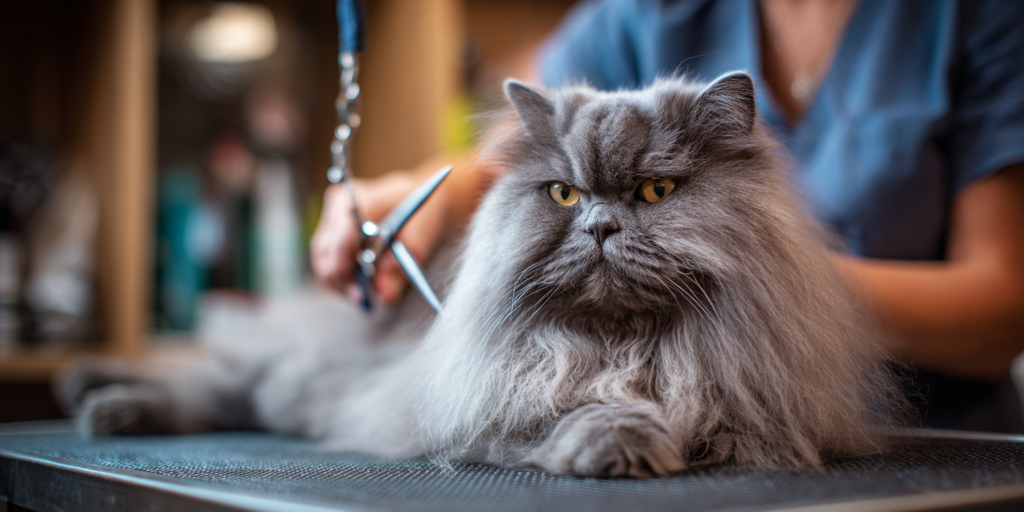
Daily brushing is non-negotiable. Consider professional grooming every 6-8 weeks. Use hairball control food year-round. Give hairball remedy weekly or as directed.
Some long-haired cat owners opt for “lion cuts” in summer to reduce fur length and hairball frequency.
Short-Haired Cats
Short-haired cats generally have fewer hairballs but can still develop them.
When short-haired cats have frequent hairballs:
This often indicates over-grooming from stress, allergies, or skin issues rather than normal grooming. Investigate underlying causes rather than just treating hairballs.
Multi-Cat Households
In homes with multiple cats, hairball issues may increase due to:
Social grooming between cats increases fur ingestion. Stress from inter-cat relationships may cause over-grooming. Competition for resources may increase stress-related grooming.
Management:
Ensure adequate resources: multiple litter boxes, food bowls, water sources. Provide vertical territory to reduce conflict. Brush all cats regularly. Monitor each cat individually for hairball frequency.
Diet and Hairballs
The Importance of Quality Nutrition
High-quality protein: Supports healthy skin and coat, reducing excessive shedding.
Omega-3 and omega-6 fatty acids: Promote healthy skin and coat, potentially reducing shedding.
Adequate moisture: Wet food provides hydration that supports digestion.
Appropriate fiber: Helps move hair through digestive tract.
Low-quality diets: Foods with excessive fillers, low protein, or poor nutrient profiles may contribute to poor coat health and increased shedding.
Wet Food vs. Dry Food
Wet food advantages:
Higher moisture content supports digestion. Often higher protein. Easier to add supplements.
Dry food advantages:
Some hairball-control formulas are only available as dry food. May have higher fiber content.
Ideal approach: Combination of both, or primarily wet food with hairball-control dry food as occasional treats or supplementation.
Common Questions
Q: Can hairballs be dangerous?
A: Occasional hairballs are normal and not dangerous. Frequent hairballs or inability to expel a hairball can indicate serious problems requiring veterinary care.
Q: Is there a hairball vaccine or medication?
A: No vaccine exists. Treatment involves management strategies like diet, brushing, and lubricant remedies. Medication is only needed if underlying medical conditions exist.
Q: My cat eats grass and then vomits hairballs. Is this normal?
A: Cats often eat grass to help themselves vomit when they feel nauseous or have stomach discomfort, including from hairballs. Providing cat grass indoors is safe. If your cat does this frequently, consult your vet.
Q: Can I prevent hairballs completely?
A: Complete prevention is unlikely, especially in long-haired cats. Goal is reducing frequency to occasional rather than weekly or daily occurrences.
Q: Are hairball treats effective?
A: Some work well as they contain fiber or lubricants. Effectiveness varies by cat. Look for treats with added fiber or ingredients designed to promote GI motility.
Q: Should I shave my long-haired cat to prevent hairballs?
A: Shaving is not necessary for most cats. Regular brushing is usually sufficient. Some owners choose seasonal lion cuts for heavy-coated cats, which can reduce hairballs. Consult a professional groomer.
The Bottom Line
Hairballs are common in cats but should not be a frequent occurrence.
Key points:
Occasional hairballs are normal, especially in long-haired breeds. More than one per week indicates a problem. Regular brushing is the most effective prevention. Hairball-control diets and remedies help reduce frequency. Frequent hairballs may signal underlying health issues requiring veterinary evaluation. Never ignore signs of intestinal blockage.
Prevention strategies work best when combined: Brush regularly, feed quality food with adequate fiber, ensure proper hydration, and use hairball remedies as needed.
If home strategies don’t reduce hairball frequency within 4-6 weeks, schedule a vet visit to investigate underlying causes.
How do you manage hairballs in your cat? Share your tips in the comments!
This article provides general information. Always consult your veterinarian for persistent hairball issues or if your cat shows signs of illness.