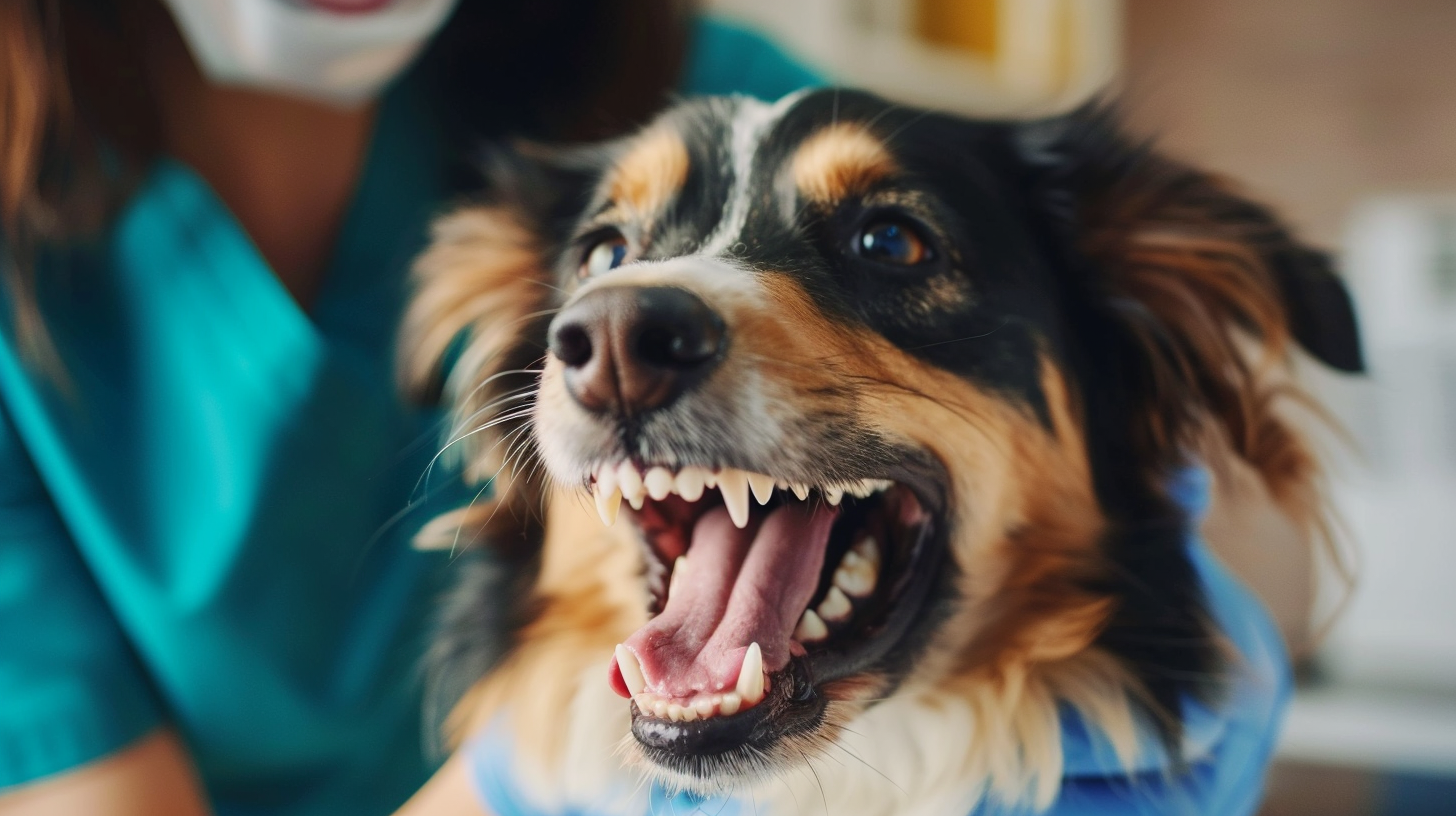
Dog Bad Breath – Causes & Solutions
Your dog greets you with enthusiastic face licks. Then the smell hits you. That unmistakable, unpleasant odor that makes you turn your head away.
Bad breath in dogs is common, but it’s not normal. While some doggy breath is expected, truly foul odor indicates an underlying problem.
The good news: Most causes of bad breath are treatable. Some require simple home care, while others need veterinary intervention.
This guide covers the seven most common causes of bad breath in dogs, how to identify each one, and effective solutions to freshen your dog’s breath and improve their overall health.
New puppy? Find a name that fits their personality.
Browse 600+ dog names by gender and personality type — playful, calm, bold, elegant, funny or mysterious.
Try Pet Name FinderWhat Causes Bad Breath in Dogs?
Dog breath shouldn’t smell pleasant like mint, but it also shouldn’t be overwhelmingly foul.
Normal dog breath: Mild, somewhat meaty or earthy smell from their diet.
Abnormal dog breath: Strong, offensive odor that makes you recoil. Particularly foul smells like rotting fish, ammonia, or sweet fruity scent.
Bad breath, medically called halitosis, has multiple potential causes. Identifying the specific cause is essential for proper treatment.

Cause 1: Dental Disease
Dental disease is the most common cause of bad breath in dogs, affecting over 80 percent of dogs by age three.
What Is Dental Disease?
Dental disease progresses through stages:
Stage 1: Plaque buildup
Bacteria form sticky film on teeth. Causes mild bad breath. Reversible with brushing.
Stage 2: Tartar formation
Plaque hardens into tartar. Yellow or brown buildup on teeth. Bad breath worsens. Requires professional cleaning.
Stage 3: Gingivitis
Gums become inflamed and red. May bleed when chewing. Moderate to severe bad breath. Pain may cause eating difficulties.
Stage 4: Periodontitis
Infection spreads below gum line. Tooth roots become infected. Teeth may loosen or fall out. Severe bad breath. Can spread bacteria to bloodstream, affecting heart, liver, kidneys.
Signs Your Dog Has Dental Disease
Yellow or brown tartar on teeth. Red, swollen, or bleeding gums. Difficulty chewing or dropping food. Pawing at mouth. Drooling excessively. Loss of appetite. Bad breath that worsens over time.
Solution
At home:
Brush your dog’s teeth daily with dog-specific toothpaste. Never use human toothpaste, which contains xylitol that is toxic to dogs.
Provide dental chews approved by the Veterinary Oral Health Council. Offer raw bones or dental toys designed to reduce plaque.
Veterinary care:
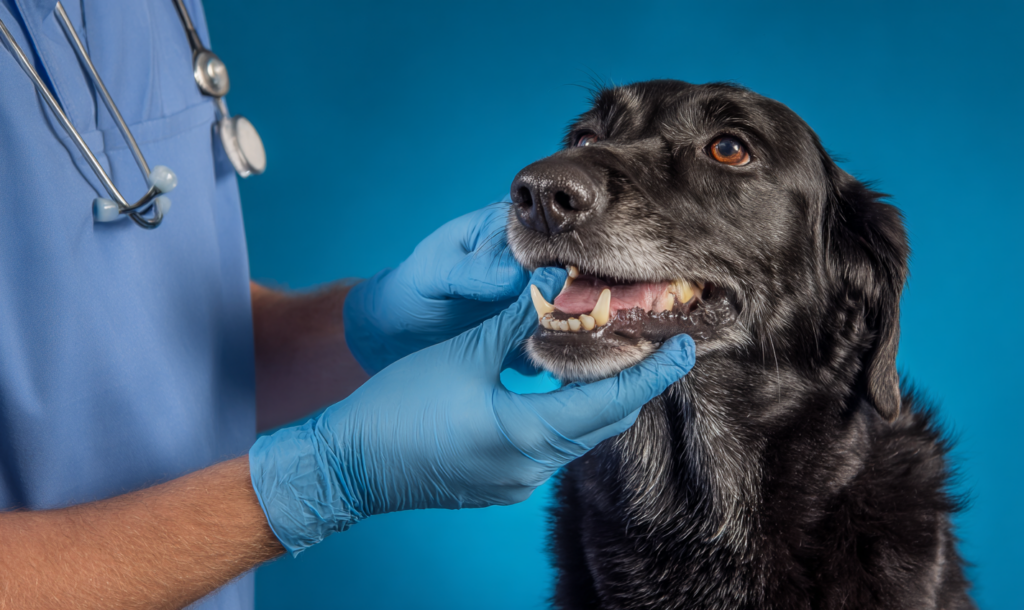
Professional dental cleaning under anesthesia. Your vet will scale and polish teeth, examine for disease, and extract severely damaged teeth if necessary.
Frequency depends on your dog’s breed and dental health. Small breeds often need annual cleanings. Larger breeds may need cleanings every 2-3 years.
Prevention:
Daily tooth brushing is most effective. Start young to acclimate your dog. Use finger brush initially if your dog resists regular brush. Gradually work up to full brushing routine.
Cause 2: Something Stuck in Teeth
Dogs explore with their mouths and sometimes objects lodge between teeth or in gums.
Common Culprits
Sticks or wood fragments. Bones or bone splinters. Grass or plant material. String or fabric. Food particles.
These objects trap bacteria, causing localized infection and severe bad breath.
Signs Something Is Stuck
Sudden onset bad breath. Pawing at one side of mouth. Head shaking. Drooling from one side. Difficulty eating. Visible object in mouth or between teeth.
Solution
If you can see and safely reach the object:
Use your fingers or tweezers to gently remove it. Be cautious; even gentle dogs may snap when in pain. If object is deeply embedded or your dog won’t let you near their mouth, see your vet.
Veterinary removal:
May require sedation for safe removal. Vet will clean area and prescribe antibiotics if infection present.
Prevention:
Avoid giving sticks as toys; they splinter easily. Choose appropriate-sized bones that won’t wedge. Supervise chewing sessions. Inspect toys regularly for damage.
Cause 3: Diet-Related Breath
What your dog eats affects their breath.
Food-Related Causes
Low-quality food: Excessive fillers and poor-quality ingredients can cause bad breath.
Fish-based diets: Naturally cause fishier breath, though shouldn’t be foul.
Raw diets: May cause stronger breath initially as dog adjusts.
Table scraps: Garlic, onions, and other human foods cause bad breath and can be toxic.
Coprophagia
Some dogs eat feces, their own or other animals’. This causes extremely foul breath.
Why dogs do this:
Nutritional deficiencies. Boredom or attention-seeking. Learned behavior from mother cleaning puppies. Medical conditions affecting digestion.
Solution
Improve diet quality:
Switch to high-quality dog food with meat as first ingredient. Avoid foods with excessive corn, wheat, or by-products. Consider limited-ingredient diet if food sensitivities suspected.
For coprophagia:
Keep yard clean; pick up feces immediately. Supervise outdoor time. Add enzyme supplements to food; makes feces less palatable. Ensure adequate nutrition; consult vet about deficiencies. Increase exercise and mental stimulation to reduce boredom.
Avoid human food:
Never feed dogs garlic, onions, chocolate, grapes, or other toxic foods. Stick to dog-appropriate treats.
Cause 4: Kidney Disease
Kidney disease causes bad breath with a distinctive ammonia or urine smell.
Why Kidneys Affect Breath
Kidneys filter waste from blood. When they fail, toxins accumulate in bloodstream. These toxins are expelled through breath, creating ammonia odor.
Additional Signs of Kidney Disease
Increased thirst and urination. Loss of appetite. Weight loss. Lethargy. Vomiting. Diarrhea. Pale gums.
Kidney disease is especially common in senior dogs.
Solution
Immediate vet visit required.
Blood and urine tests diagnose kidney function. Treatment includes prescription diet low in protein and phosphorus. Medications to control symptoms. Subcutaneous fluids if dehydrated. Regular monitoring.
Kidney disease is often manageable but requires lifelong care.
Cause 5: Diabetes
Uncontrolled diabetes causes breath with a sweet, fruity smell. This odor comes from ketones, produced when body burns fat for energy instead of glucose.
Additional Signs of Diabetes
Excessive thirst and urination. Increased appetite but weight loss. Lethargy. Cloudy eyes or cataracts. Urinary tract infections.
Solution
Veterinary diagnosis required.
Blood tests measure glucose levels. Treatment includes insulin injections, typically twice daily. Prescription diet high in fiber. Regular glucose monitoring. Weight management.
With proper management, diabetic dogs live normal lifespans.
Cause 6: Liver Disease
Liver disease can cause bad breath with a musty or foul odor.
Why Liver Affects Breath
Liver processes toxins and produces bile for digestion. When liver function declines, toxins build up. GI upset from poor bile production also contributes to bad breath.
Additional Signs of Liver Disease
Yellowing of gums, eyes, or skin (jaundice). Loss of appetite. Vomiting or diarrhea. Weight loss. Increased thirst and urination. Behavioral changes. Seizures in severe cases.
Solution
Veterinary care immediately.
Blood tests and imaging diagnose liver disease. Treatment depends on underlying cause. May include medications, diet changes, antibiotics if infection present. Severe cases may require hospitalization.
Prognosis varies widely depending on cause and severity.
Did your dog eat something dangerous? Find out right now.
Enter what they ate and their weight — get an instant toxicity assessment for 35+ substances.
Check Toxicity NowCause 7: Oral Tumors or Cancer
Oral tumors, whether benign or malignant, can cause bad breath.
Why Tumors Cause Bad Breath
Tumors may ulcerate, creating open sores. These sores become infected with bacteria. Tumors may also trap food particles.
Signs of Oral Tumors
Visible mass in mouth. Difficulty eating or swallowing. Drooling, possibly bloody. Loose teeth. Facial swelling. Bad breath that doesn’t respond to dental care.
Common types:
Melanomas (malignant, aggressive). Squamous cell carcinomas (malignant). Fibrosarcomas (malignant). Epulis (often benign).
Solution
Immediate veterinary evaluation.
Biopsy determines if tumor is benign or malignant. Treatment may include surgical removal, radiation therapy, chemotherapy. Prognosis depends on tumor type, location, and stage.
Early detection improves outcomes significantly.
How to Identify the Cause of Your Dog’s Bad Breath
Different causes produce different types of odors and accompanying symptoms.
Fishy, rotten smell + tartar on teeth = Dental disease
Sudden onset + pawing at mouth = Object stuck in teeth
Ammonia smell + increased thirst = Kidney disease
Sweet, fruity smell + excessive drinking = Diabetes
Musty smell + jaundice = Liver disease
Fecal smell + eating feces = Coprophagia
Bad breath + visible mass in mouth = Oral tumor
If you’re unsure, always consult your vet. They can examine your dog and run diagnostic tests.
Home Remedies for Bad Breath
For mild bad breath without underlying serious disease, these home remedies may help.
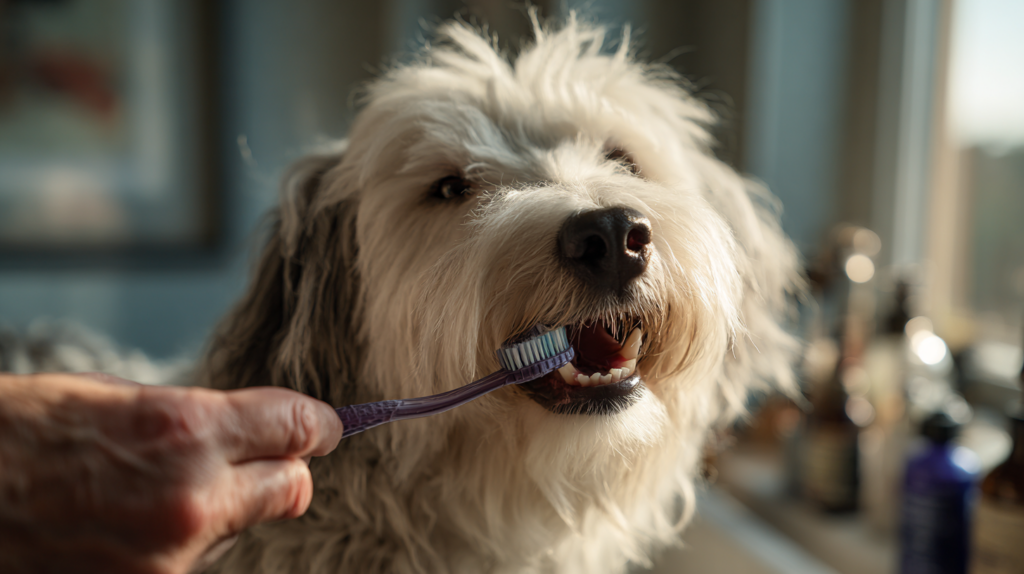
Daily Tooth Brushing
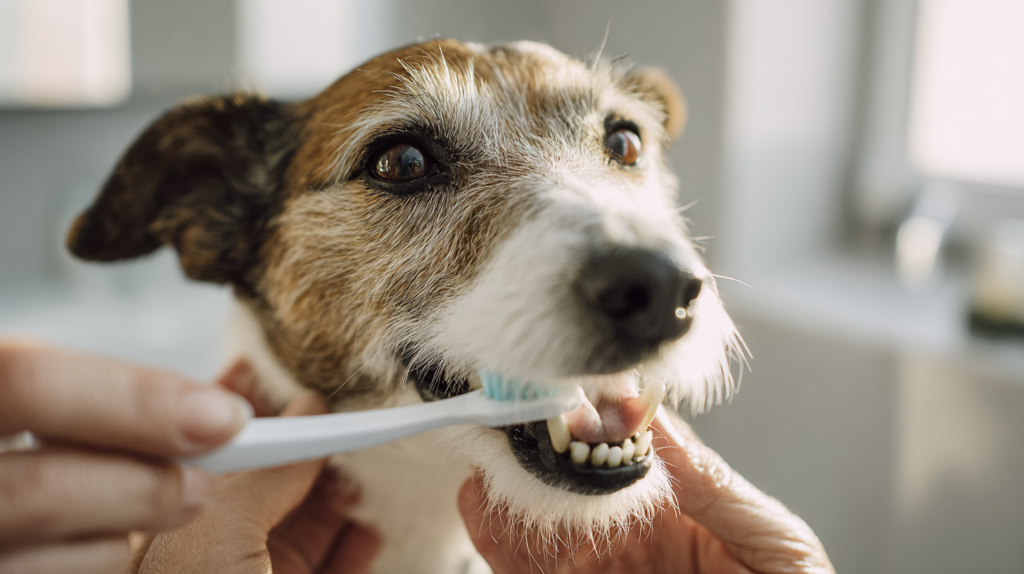
Most effective home treatment. Use dog toothpaste and soft-bristled brush. Start slowly if your dog is unaccustomed. Build to daily brushing.
Dental Chews and Treats
Products with VOHC seal are proven to reduce plaque. Greenies, OraVet chews, and similar products. Give daily as directed.
Raw Bones
Large, raw bones help scrape teeth clean. Never cooked bones; they splinter. Supervise to prevent choking. Choose appropriate size for your dog.
Water Additives
Dental water additives reduce bacteria in mouth. Add to water bowl daily. Not as effective as brushing but better than nothing.
Coconut Oil
Some owners report success adding small amount to food. May have antimicrobial properties. Use sparingly; high in fat.
Fresh Parsley
Small amounts of fresh parsley can freshen breath. Contains chlorophyll. Too much can cause digestive upset.
Apple Cider Vinegar
Add teaspoon to water bowl. May reduce bacteria in mouth. Dilute well; strong vinegar can upset stomach.
Important: Home remedies work for mild cases only. They don’t replace veterinary care for serious conditions.
Professional Dental Cleaning
If home care isn’t sufficient, professional cleaning is necessary.
What Happens During Dental Cleaning
Pre-anesthetic bloodwork: Ensures your dog is healthy for anesthesia.
General anesthesia: Required for thorough cleaning. Allows vet to work safely and examine entire mouth.
Scaling: Removes tartar above and below gum line using ultrasonic scaler.
Polishing: Smooths tooth surface to slow future plaque buildup.
Examination: Vet checks every tooth for disease, fractures, or abnormalities.
X-rays: May be taken to evaluate tooth roots and jaw bone.
Extractions: Severely diseased teeth are removed.
Antibiotics: Prescribed if infection present.
Cost
Varies widely by location and severity. Basic cleaning: 200-500 dollars. Cleaning with extractions: 500-1,500 dollars.
Many vets offer dental month discounts in February.
Frequency
Small breeds: Often annually. Large breeds: Every 2-3 years. Depends on individual dog’s dental health.
Preventing Bad Breath Long-Term
Prevention is easier and cheaper than treatment.
Daily tooth brushing: Start young, make it routine.
High-quality diet: Better nutrition supports oral health.
Regular vet checkups: Catch problems early. Include oral exams.
Dental chews: Daily approved chews reduce plaque.
Avoid harmful chewing: No hard objects that fracture teeth.
Monitor for changes: Catch problems before they worsen.
Professional cleanings: Schedule as recommended by your vet.
When to See the Vet
Schedule appointment if:
Bad breath suddenly worsens or changes smell. You see tartar buildup, red gums, or loose teeth. Your dog shows pain when eating. Bad breath is accompanied by other symptoms: vomiting, lethargy, increased thirst. Home care doesn’t improve breath after 2-3 weeks. You notice any unusual odor: ammonia, sweet, or musty.
Emergency vet visit if:
Your dog has sweet, fruity breath combined with lethargy (possible diabetic crisis). Severe drooling, inability to eat, or obvious pain. Facial swelling or bleeding from mouth.
Don’t wait. Bad breath can signal serious health conditions requiring prompt treatment.
Breed-Specific Considerations
Small Breeds
Toy breeds like Chihuahuas, Yorkshire Terriers, and Pomeranians are prone to severe dental disease.
Why:
Teeth are crowded in small mouth. Harder to keep clean. Genetic predisposition.
Management:
Daily brushing is essential. May need professional cleanings annually or more. Start dental care early.
Brachycephalic Breeds
Bulldogs, Pugs, and other flat-faced breeds often have dental issues.
Why:
Abnormal jaw structure causes tooth misalignment. Folds around mouth trap moisture and bacteria.
Management:
Clean facial folds daily. Brush teeth daily. Monitor closely for signs of dental disease.
Large Breeds
Generally have better dental health than small breeds but still need care.
Dental cleanings typically less frequent. Still require home brushing and monitoring.
Common Questions
Q: Is bad breath normal in dogs?
A: No. While dog breath has a scent, it shouldn’t be foul or offensive. Bad breath indicates a problem.
Q: Can I use human toothpaste on my dog?
A: Never. Human toothpaste contains xylitol and fluoride, both toxic to dogs. Use dog-specific toothpaste only.
Q: How often should I brush my dog’s teeth?
A: Daily is ideal. Minimum 3-4 times per week for effectiveness.
Q: Will changing food fix bad breath?
A: If diet-related, yes. But most bad breath is from dental disease requiring dental care, not just diet change.
Q: Are dental chews enough instead of brushing?
A: No. Chews help but don’t replace brushing. Think of them like mouthwash; helpful but not sufficient alone.
Q: My dog won’t let me brush their teeth. What do I do?
A: Start slowly. Use finger brush first. Reward with treats. If dog is aggressive or fearful, consult trainer or vet about sedated cleanings.
The Bottom Line
Bad breath in dogs is not normal and should not be ignored.
Most common cause: Dental disease, affecting 80 percent of dogs.
Serious causes: Kidney disease, diabetes, liver disease, oral cancer.
Solutions: Daily tooth brushing, professional cleanings, addressing underlying health issues.
Prevention: Start dental care young, maintain daily routine, schedule regular vet exams.
Don’t delay: If your dog’s breath suddenly worsens or smells unusual, see your vet promptly. Early treatment prevents serious complications and improves your dog’s quality of life.
Your dog’s breath is a window into their health. Pay attention to what it’s telling you.
Does your dog have bad breath? What solutions have worked for you? Share in the comments!
This article provides general information. Always consult your veterinarian if your dog has persistent bad breath or shows signs of illness.