Betta Fish Care For Beginners
Betta fish, also called Siamese fighting fish, are among the most popular aquarium fish. Their vibrant colors, flowing fins, and bold personalities make them captivating pets.
But walk into any pet store and you’ll see bettas in tiny cups. Many beginners assume this means bettas need minimal care. This misconception kills thousands of bettas every year.
The truth: Bettas are tropical fish requiring proper tank size, heated and filtered water, and specific care to thrive.
This complete guide teaches you everything about proper betta care, from tank setup to feeding, health issues, and common mistakes to avoid. Follow this advice and your betta can live 3-5 years of vibrant, active life.
New pet? Find a name that truly fits who they are.
Browse 6,500+ names for dogs, cats, birds, reptiles, rabbits and more — filtered by personality.
Try Pet Name FinderUnderstanding Betta Fish
Natural Habitat
Bettas originate from shallow rice paddies, streams, and floodplains in Southeast Asia, primarily Thailand.
Key facts about their natural environment:
Warm water temperatures between 75-82 degrees Fahrenheit. Shallow, slow-moving water with dense vegetation. Periods of drought where they survive in puddles using their labyrinth organ. Access to surface for breathing air.
What this means for captive care:
Bettas need heated water year-round. They prefer gentle water flow, not strong currents. They require access to the water surface to breathe. Plants and decorations provide security and enrichment.
The Labyrinth Organ
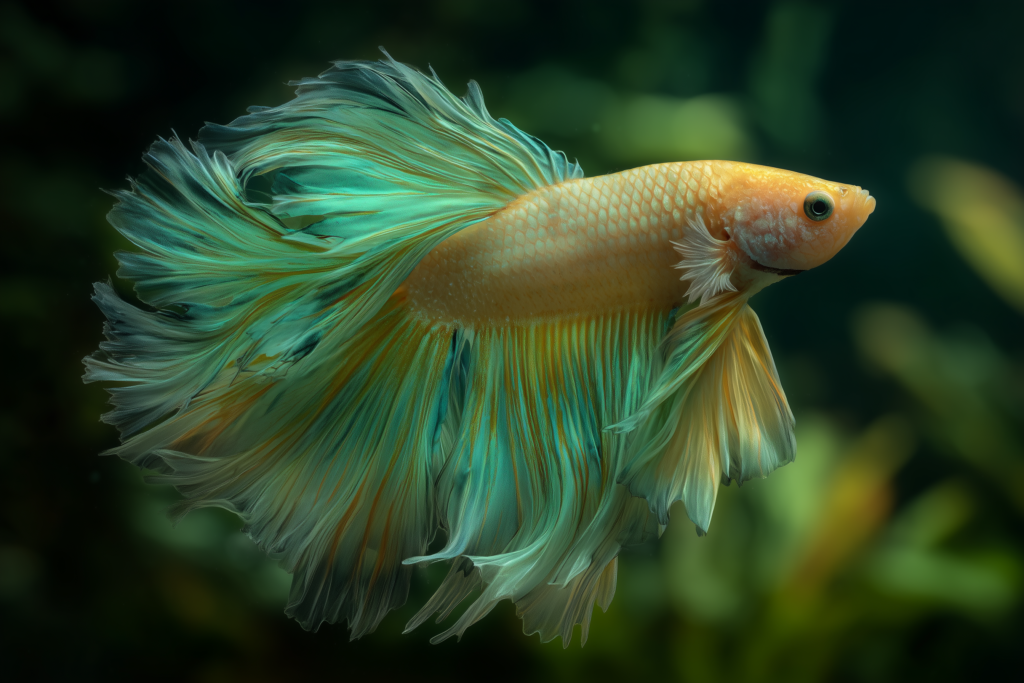
Bettas have a specialized organ called the labyrinth organ that allows them to breathe atmospheric air directly.
How it works:
In oxygen-poor water, bettas swim to surface and gulp air. The labyrinth organ extracts oxygen from air. This adaptation helped them survive in stagnant, oxygen-depleted puddles.
Common misconception:
Because bettas can breathe air, they don’t need proper water conditions. This is FALSE. While they can survive poor conditions briefly, they cannot thrive. Poor water still causes stress, disease, and shortened lifespan.
Lifespan and Size
Average lifespan: 3-5 years with proper care. Some bettas live 7+ years in ideal conditions.
Adult size: 2.5-3 inches in length, not including fins.
Most bettas sold in stores are already 6-12 months old. With proper care, you’ll have years together.
Setting Up a Betta Tank
Tank Size: Bigger Is Better
Minimum tank size: 5 gallons.
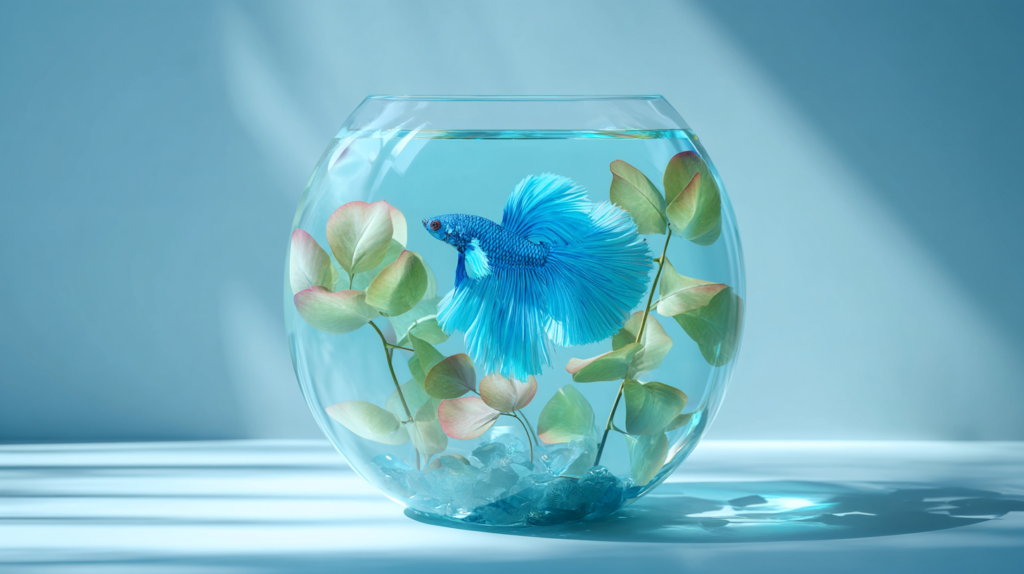
Despite what pet stores suggest, bowls and tanks under 5 gallons are unsuitable.
Why 5 gallons minimum:
Water parameters stay stable in larger volumes. More swimming space for exercise and enrichment. Easier to maintain consistent temperature. Reduces stress and aggression. Allows for proper filtration.
Recommended sizes:
Beginners: 5-10 gallon tank. Experienced keepers: 10+ gallons. With tankmates: 10+ gallons minimum.
Avoid:
Bowls of any size. Vases and decorative containers. Tanks under 3 gallons. Divided tanks where betta can see other bettas.
Essential Equipment
Tank:
Standard rectangular aquarium. Glass or acrylic both work. Ensure secure lid; bettas jump.
Heater:
Adjustable aquarium heater rated for your tank size. Bettas require 78-80 degrees Fahrenheit. Most homes are too cool without heating.
Thermometer:
Digital or stick-on thermometer. Essential for monitoring temperature stability.
Filter:
Gentle filtration is important. Sponge filters are ideal for bettas. Hang-on-back filters work if flow is baffled. Bettas cannot swim well in strong currents.
Lighting:
Basic aquarium light on timer. 8-10 hours daily mimics natural day/night cycle. Prevents algae overgrowth.
Substrate:
Fine gravel or sand. 1-2 inches depth. Rinse thoroughly before adding.
Decorations:
Smooth rocks, driftwood, or betta-safe ornaments. Avoid sharp edges that tear delicate fins. Silk or live plants.
Water conditioner:
Removes chlorine and chloramines from tap water. Essential for every water change.
Test kit:
Liquid test kit for ammonia, nitrite, nitrate, pH. API Freshwater Master Test Kit is standard.
Setting Up the Tank: Step-by-Step
Step 1: Rinse everything
Clean tank, decorations, and substrate with plain water only. Never use soap.
Step 2: Add substrate
Place 1-2 inches of rinsed substrate in tank. Create slight slope from back to front.
Step 3: Add decorations
Arrange plants and decorations. Create hiding spots and open swimming areas. Test decorations with pantyhose; if they snag, they’ll damage fins.
Step 4: Fill tank
Place plate on substrate to prevent disturbing it. Pour dechlorinated water onto plate. Fill to 1 inch below rim.
Step 5: Install equipment
Place heater near filter output for even heat distribution. Install filter following manufacturer instructions. Add thermometer to side opposite heater.
Step 6: Cycle the tank
Run tank for 4-6 weeks before adding betta. This establishes beneficial bacteria. See cycling guide for details.
Never add betta to uncycled tank. This causes ammonia poisoning and new tank syndrome.
Water Parameters
Bettas require specific water conditions to thrive.
Temperature: 78-80 degrees Fahrenheit. Acceptable range: 76-82 degrees.
pH: 6.5-7.5 ideal. Bettas tolerate 6.0-8.0 but stability matters more than exact number.
Ammonia: 0 ppm always. Any ammonia is toxic.
Nitrite: 0 ppm always. Any nitrite is toxic.
Nitrate: Under 20 ppm ideal. Under 40 ppm acceptable.
Water hardness: Bettas tolerate wide range. 5-20 dGH works well.
Test weekly with liquid test kit. Strips are less accurate.
The Nitrogen Cycle
Before adding your betta, the tank must cycle. This establishes beneficial bacteria that convert toxic ammonia to less harmful nitrate.
Cycling process:
Week 1-2: Ammonia rises as bacteria begin growing.
Week 2-3: Nitrite appears as ammonia-converting bacteria establish. Ammonia starts dropping.
Week 3-4: Nitrate appears as nitrite-converting bacteria establish. Nitrite starts dropping.
Week 4-6: Ammonia and nitrite reach 0 ppm. Nitrate is present. Cycle complete.
Fishless cycling method:
Add pure ammonia or fish food to tank. Bacteria grow on ammonia source. Test daily and track progress. When ammonia and nitrite both read 0 ppm for several days, cycle is complete.
Fish-in cycling should be avoided. It stresses fish and often results in illness or death.
Choosing Your Betta
Where to Buy
Local fish store: Better fish health than chain stores typically. Staff often more knowledgeable. Can see fish swimming before purchase.
Chain pet stores: Convenient but fish often stressed. Check for signs of health carefully. Avoid bettas in tiny cups if possible.
Online breeders: High-quality bettas with documented genetics. More expensive. Requires shipping considerations.
Avoid: Bettas in extremely small containers. Fish in dirty water. Bettas displayed together where they can see each other.
Signs of a Healthy Betta
Active and responsive. Bright, vibrant colors. Clear eyes. Intact fins without tears or rot. Swimming normally, not gasping or clamped. Interested in surroundings.
Avoid bettas with:
Clamped or ragged fins. Cloudy eyes. Bloated or sunken belly. Lethargy or lying on bottom. White spots or fuzzy patches. Difficulty swimming or maintaining balance.
Betta Varieties
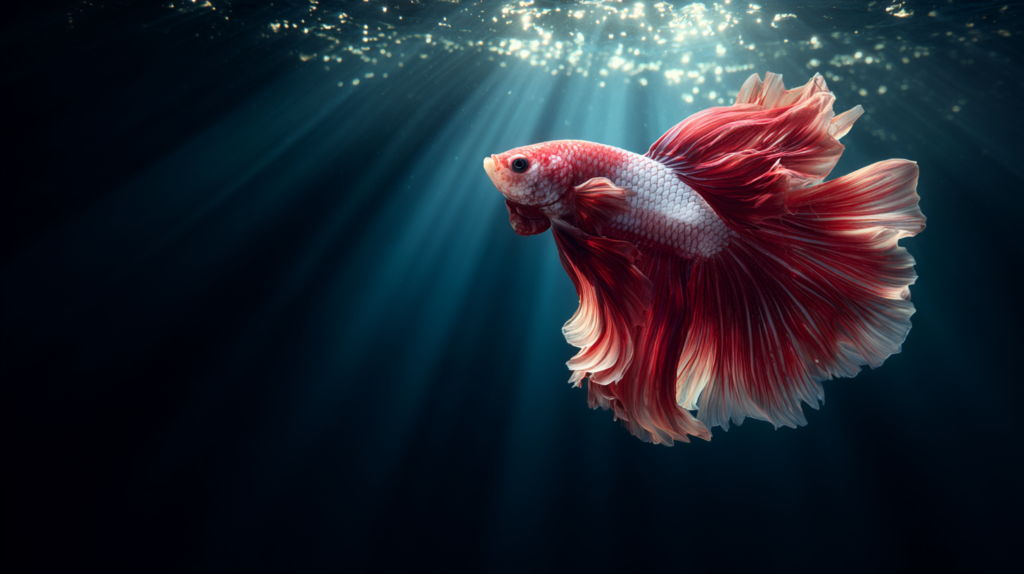
Bettas come in many tail types and colors.
Tail types:
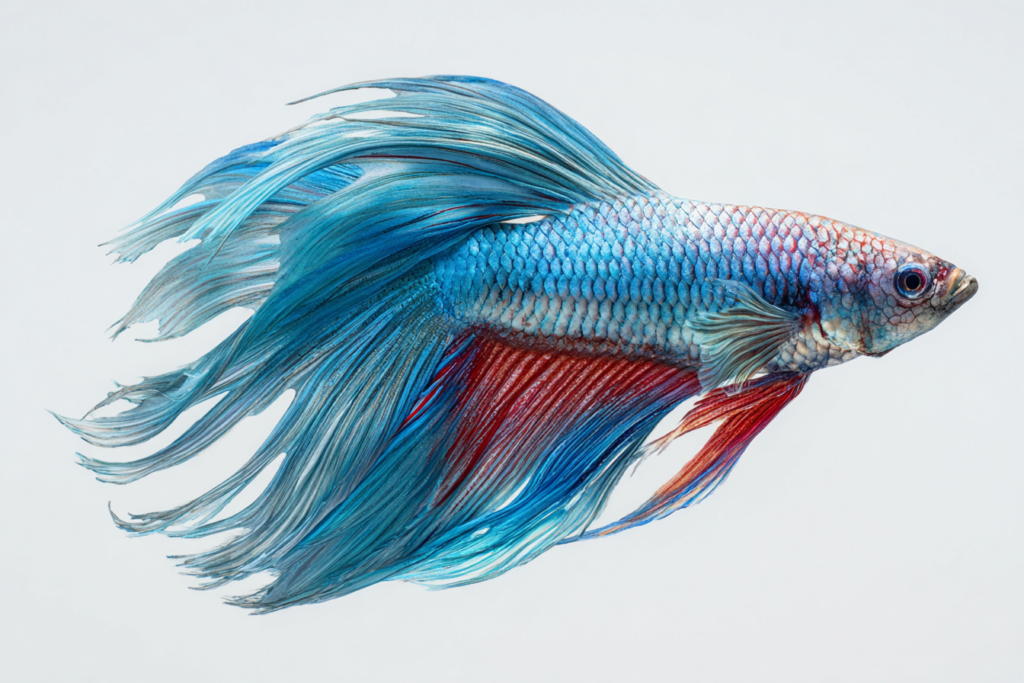
Veiltail: Long, flowing, downward-hanging tail. Most common. Crowntail: Spikey, crown-like fin extensions. Halfmoon: Tail spreads 180 degrees like half circle. Plakat: Short-finned, similar to wild type. Delta and super delta: Tail spreads but less than halfmoon. Rosetail: Extreme branching creates rose-petal appearance.
Colors:
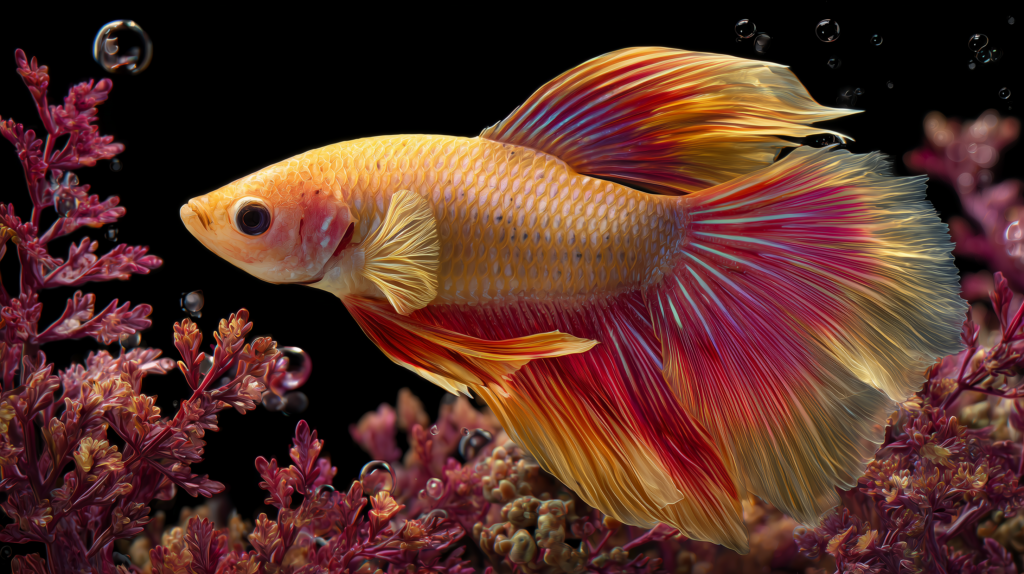
Solid colors: Red, blue, black, white, yellow. Bi-color: Two distinct colors. Multicolor: More than two colors. Marble: Mottled, color-changing pattern. Metallic: Shiny, iridescent scales. Koi: Resembles koi fish pattern.
Choose based on personal preference. All varieties have same care requirements.
Acclimating Your Betta
Proper acclimation prevents shock and stress.
Drip acclimation method:
Float sealed bag in tank for 15-20 minutes to equalize temperature. Open bag and add small amount of tank water. Wait 10 minutes. Add more tank water. Repeat 3-4 times over 45-60 minutes. Gently net betta and place in tank. Discard bag water; don’t add to tank.
First 24 hours:
Keep lights off or dimmed. Minimize disturbance. Don’t feed first day. Observe behavior but don’t hover constantly.
Feeding Your Betta
What to Feed
Bettas are carnivores requiring high-protein diet.
Best staple foods:
High-quality betta pellets with whole fish as first ingredient. Look for pellets sized appropriately for betta mouth. Avoid fillers like corn or wheat.
Supplemental foods:
Frozen bloodworms, brine shrimp, daphnia. Freeze-dried bloodworms or brine shrimp. Live foods if available and safe.
Avoid:
Fish flakes designed for tropical fish; insufficient protein. Ant eggs or other unsuitable foods. Bread or human food.
How Much and How Often
Daily feeding:
2-4 pellets, once or twice daily. Amount should be consumed in 2-3 minutes. Bettas have stomach about size of their eye.
Overfeeding is the most common mistake.
One fasting day per week is beneficial. Helps prevent constipation and bloating.
Adjust feeding based on:
Your individual betta’s appetite. Activity level. Body condition; don’t overfeed plump bettas.
Feeding Tips
Soak pellets in tank water for a few seconds before feeding. Reduces air gulping and bloating. Feed in same spot at same time daily. Remove uneaten food after 5 minutes to prevent water fouling.
Tank Maintenance
Daily Tasks
Feed betta once or twice. Observe for signs of illness or stress. Check temperature. Remove any uneaten food or debris.
Weekly Tasks
Test water parameters. Check filter flow. Wipe front glass of algae. Observe betta’s behavior and appearance closely.
Bi-Weekly Tasks
25-30 percent water change. Vacuum substrate with gravel vacuum. Trim live plants if applicable. Check equipment function.
Monthly Tasks
Rinse filter media in old tank water. Never rinse in tap water; kills beneficial bacteria. Replace chemical filter media if used. Deep clean decorations if needed.
Common Health Issues
Fin Rot
Symptoms: Ragged, disintegrating fins. Black or red edges on fins. Fins getting progressively shorter.
Causes: Poor water quality. Injury from sharp decorations. Stress.
Treatment: Improve water quality immediately. Increase water change frequency. Remove sharp decorations. Aquarium salt can help in early stages. Severe cases may need antibiotics.
Ich (White Spot Disease)
Symptoms: White spots like grains of salt on body and fins. Flashing or rubbing against objects. Clamped fins. Lethargy.
Causes: Parasite introduced via new fish or plants. Stress and poor water quality allow outbreak.
Treatment: Raise temperature to 80-82 degrees over 48 hours. Add aquarium salt. Use ich medication following instructions. Continue treatment full duration even if spots disappear.
Velvet
Symptoms: Gold or rust-colored dust appearance on body. Clamped fins. Rapid breathing. Lethargy. Loss of appetite.
Causes: Parasitic infection. Stress and poor water quality.
Treatment: Dim lights; parasite is photosynthetic. Raise temperature slightly. Use copper-based medication. Add aquarium salt. Improve water quality.
Swim Bladder Disease
Symptoms: Floating upside down or sideways. Sinking to bottom and struggling to rise. Swimming vertically. Difficulty maintaining balance.
Causes: Overfeeding. Constipation. Poor water quality. Bacterial infection. Congenital defect.
Treatment: Fast for 2-3 days. Feed cooked, deshelled pea; acts as laxative. Improve water quality. Epsom salt bath may help. If chronic, may be permanent condition requiring adjusted tank setup.
Dropsy
Symptoms: Severe bloating. Scales sticking out like pinecone. Lethargy. Loss of appetite.
Causes: Bacterial infection, often secondary to stress or poor conditions.
Treatment: Usually fatal. Isolate fish. Improve water quality. Antibiotics may help if caught very early. Euthanasia may be most humane option in advanced cases.
Betta Behavior
Normal Behavior
Swimming actively around tank. Building bubble nests at surface. Flaring at own reflection or new objects. Resting occasionally on plants or decorations. Investigating everything in tank.
Signs of Stress or Illness
Clamped fins held tight to body. Hiding constantly. Lying on bottom. Lethargy or lack of interest. Loss of color. Rapid or labored breathing. Loss of appetite.
Aggression
Bettas are aggressive toward other bettas, especially males.
Never house:
Two male bettas together. Male and female together except briefly for breeding. Even in divided tanks where they can see each other.
Suitable tankmates in 10+ gallons:
Peaceful, non-aggressive species. Fish that don’t resemble bettas. Species that occupy different water levels. Snails and shrimp (though betta may eat small shrimp).
Avoid:
Fin nippers like tiger barbs. Colorful, long-finned fish. Aggressive or territorial species. Bettas in tanks under 10 gallons.
Common Mistakes to Avoid
Mistake 1: Bowl or Tiny Tank
Bowls are unsuitable for any fish. Tanks under 5 gallons cannot maintain stable parameters.
Solution: Minimum 5-gallon filtered, heated tank.
Mistake 2: No Heater
Room temperature is too cold for bettas. Cold water suppresses immune system, causes lethargy, increases disease risk.
Solution: Adjustable heater maintaining 78-80 degrees.
Mistake 3: No Filter
Bettas need filtration for water quality. Labyrinth organ doesn’t eliminate need for clean water.
Solution: Gentle sponge filter or baffled hang-on-back filter.
Mistake 4: Not Cycling Tank
Adding betta to uncycled tank exposes them to toxic ammonia and nitrite.
Solution: Cycle tank 4-6 weeks before adding betta.
Mistake 5: Overfeeding
Most common cause of health issues. Leads to obesity, constipation, and poor water quality.
Solution: Feed 2-4 pellets once or twice daily. One fasting day weekly.
Mistake 6: Infrequent Water Changes
Even with filtration, regular water changes are essential.
Solution: 25-30 percent water change every 1-2 weeks.
Mistake 7: Sharp Decorations
Bettas’ delicate fins tear easily on sharp objects.
Solution: Use silk plants or smooth decorations. Test with pantyhose.

Enhancing Your Betta’s Life
Live Plants
Live plants improve water quality, provide hiding spots, and create natural environment.
Easy beginner plants:
Java fern. Anubias. Java moss. Amazon sword. Marimo moss balls.
Floating Plants
Bettas love floating plants for building bubble nests and resting.
Options: Water sprite. Duckweed (grows rapidly; thin regularly). Frogbit.
Enrichment
Bettas are intelligent and benefit from stimulation.
Ideas:
Rearrange decorations occasionally. Feed from different spots. Add mirror for brief sessions (1-2 minutes; too much causes stress). Vary diet with different foods. Provide hiding spots and exploration opportunities.
Breeding Bettas
Breeding bettas is complex and not recommended for beginners.
Considerations:
Requires separate tanks for breeding pair and fry. Male builds bubble nest and cares for eggs. Fry are tiny and need specialized food. Can produce 100-500+ fry. Need homes for all offspring. Significant time and expense.
If interested: Research extensively before attempting.
Common Questions
Q: Can bettas live in bowls?
A: No. Bowls cannot maintain proper temperature or water quality. Minimum 5-gallon filtered, heated tank required.
Q: Do bettas need a heater?
A: Yes. Bettas are tropical fish requiring 78-80 degrees consistently.
Q: Can I keep two bettas together?
A: Male bettas will fight to death. Males and females should only be together for breeding. Even divided tanks cause stress.
Q: How long do bettas live?
A: 3-5 years with proper care. Some live 7+ years.
Q: Do bettas need a filter?
A: Yes. Gentle filtration maintains water quality. Bettas benefit from stable, clean water.
Q: What do bettas eat?
A: High-protein diet. Betta pellets as staple, supplemented with frozen or freeze-dried bloodworms and brine shrimp.
Q: Can bettas live with other fish?
A: In 10+ gallon tanks, yes. Choose peaceful tankmates that don’t resemble bettas. Research compatibility carefully.
The Bottom Line
Bettas are beautiful, engaging pets that deserve proper care.
Essential care requirements:
Minimum 5-gallon tank. Heater maintaining 78-80 degrees. Gentle filtration. Cycled tank before adding betta. High-quality, high-protein diet. Regular water changes and maintenance.
With proper care:
Your betta will display vibrant colors. Show active, curious personality. Build bubble nests. Live 3-5+ years of healthy life.
Bettas kept in bowls or tiny tanks survive, but they don’t thrive. Give your betta the space and care they deserve.
Have you set up a betta tank? Share your setup and experience in the comments!
This article provides general guidance. Consult experienced keepers or veterinarians specializing in fish if your betta shows signs of illness.