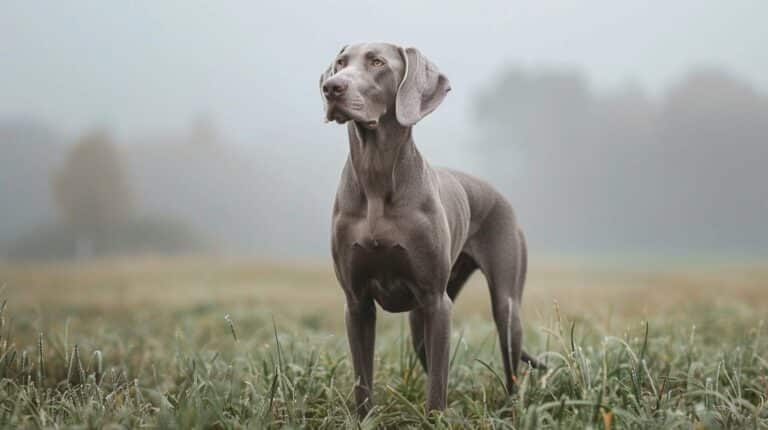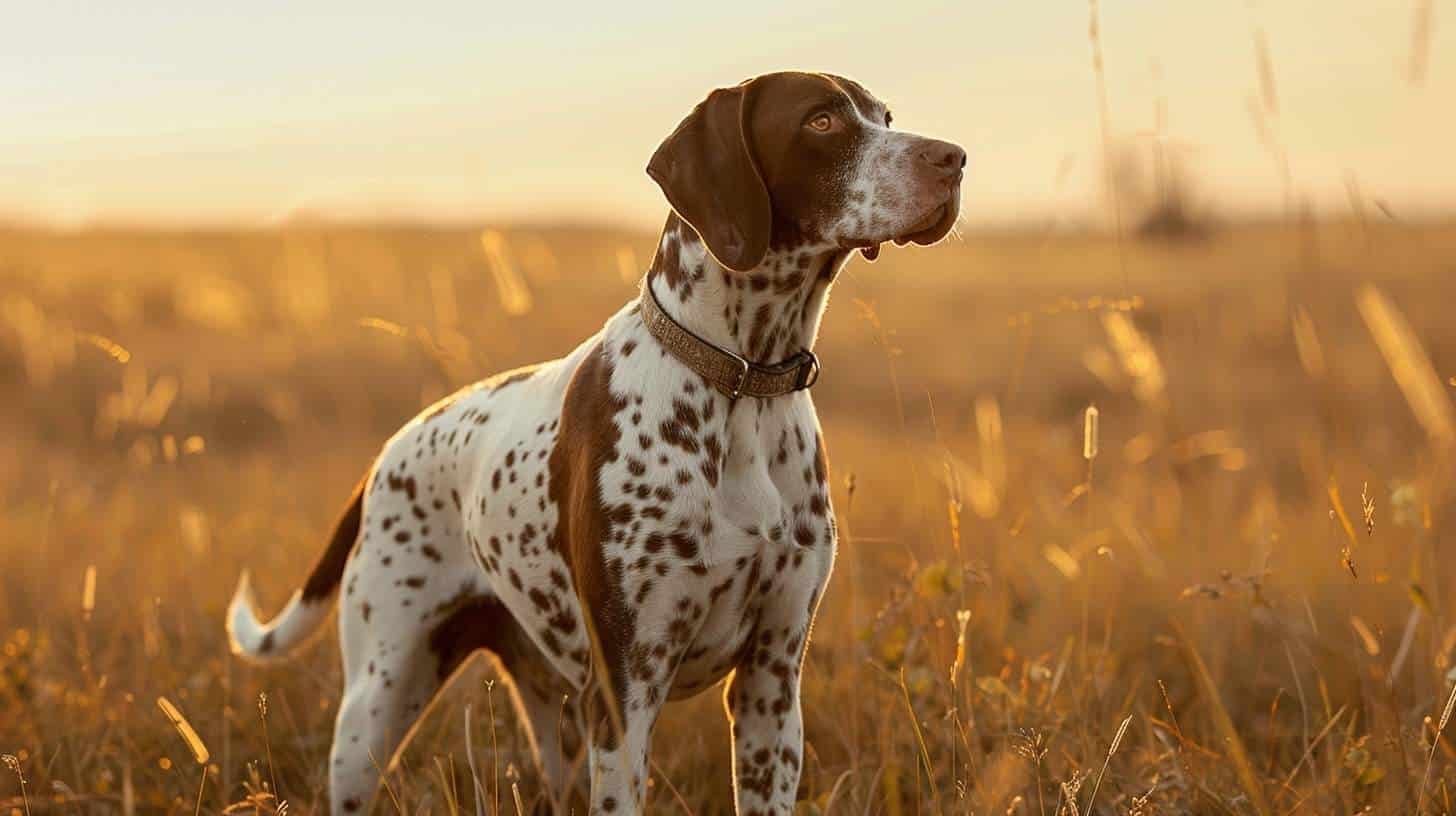
German Shorthaired Pointer: Complete Breed Guide – Temperament, Care, Health & More (2026)
- 🐕 QUICK ANSWER: GERMAN SHORTHAIRED POINTER BREED GUIDE
- ✅ German Shorthaired Pointers are versatile, athletic, and deeply people-oriented – the ultimate all-purpose hunting and sporting dog
- ✅ Consistently ranked in the AKC top 10 – one of the fastest-growing sporting breeds in popularity
- ✅ Males: 55-70 lbs, Females: 45-60 lbs – lean, muscular, and built for sustained athletic effort
- ✅ Intelligent, trainable, and genuinely eager to please – one of the most responsive sporting breeds for families
- ✅ Equally capable in water and on land – bred for versatile field work across all terrain types
- ⚠️ Extremely high energy – 90-120 minutes of vigorous daily exercise is not optional, it is the foundation of manageable behavior
- ⚠️ Separation anxiety is a significant breed tendency – they thrive on human companionship and struggle with extended isolation
- ⚠️ Bloat (GDV) is a serious risk in this deep-chested breed – emergency planning is essential for every GSP owner
- ⚠️ Strong prey drive – cats, small dogs, and wildlife are at risk without careful management
- ❌ Do NOT acquire a GSP without committing to daily vigorous exercise – under-exercised German Shorthaired Pointers become destructive, anxious, and very difficult to manage
- ❌ Do NOT leave a GSP unsupervised in a yard without a secure fence – their athleticism and drive make them skilled and motivated escape artists
- This article draws on breed standards from the American Kennel Club (AKC) and the German Shorthaired Pointer Club of America (GSPCA), health research from the GSPCA Health Committee, and clinical guidance from veterinary cardiologists and orthopedic specialists with expertise in large sporting breed health.
- Last Updated: May 2026
What Kind of Dog Is a German Shorthaired Pointer?
The German Shorthaired Pointer is one of the most deliberately developed sporting breeds in history. German hunters in the 19th century set out to create a single dog capable of replacing the multiple specialists previously required for a day’s hunting – a dog that could point and hold game birds, retrieve from both land and water, track wounded game, and work effectively in any terrain and weather condition.
The foundation of the breed traces to the German Bird Dog, a pointing dog of Spanish origin that hunters used in Germany since at least the 17th century. German breeders then crossed this foundation stock with English Pointers for speed and elegance, Foxhound blood for scenting ability, and possibly other retrieving breeds to produce water enthusiasm and a soft mouth. German breeders standardized the result in the 1870s, naming it the Deutsch Kurzhaar – literally German Short-hair.
Prince Albrecht zu Solms-Braunfels, a German noble and sporting dog authority, systematically organized the early breeding program and established the standards that the Deutsch Kurzhaar Club adopted in 1891. The breed arrived in the United States in the 1920s, and the AKC recognized it in 1930. American hunters discovered that the GSP excelled not only in European hunting conditions but across the diverse terrain of North America, and the breed’s popularity grew steadily through the 20th century.
Today the German Shorthaired Pointer sits consistently in the AKC top 10 – a remarkable position for a breed that remained primarily a hunting specialist for most of its history. This popularity reflects both the GSP’s exceptional field performance for hunting families and its genuine compatibility with active family life for the rapidly growing population of non-hunting owners drawn to the breed’s athleticism and personality.

At a Glance: German Shorthaired Pointer Quick Reference
| Category | Details |
|---|---|
| AKC group | Sporting Group |
| Origin | Germany, 19th century |
| Male height | 23-25 inches |
| Female height | 21-23 inches |
| Male weight | 55-70 lbs |
| Female weight | 45-60 lbs |
| Lifespan | 10-12 years |
| Energy level | Very high |
| Exercise needed | 90-120 minutes per day |
| Grooming | Very low – weekly wipe |
| Shedding | Moderate – year-round |
| Trainability | Excellent – eager to please |
| Good with children | Yes – with adequate exercise |
| Good with other dogs | Generally yes with socialization |
| Good with cats | Risky – high prey drive |
| Bloat risk | High – deep-chested breed |
| Separation anxiety risk | High |
| First-time owner suitable | Possible with commitment to exercise |
German Shorthaired Pointer Temperament: What to Expect Living With One
The Versatile Athlete
The GSP’s temperament reflects its breeding purpose precisely. Breeders developed a dog to work closely with a hunter all day, which required intelligence to problem-solve in the field, attentiveness to read and respond to handler direction, and a natural enthusiasm for work that sustains effort across a full hunting day. All three of these qualities are fully present in every GSP – in the field and in the living room.
In a family setting, this combination produces a dog that is genuinely engaging company. GSPs notice everything, participate in everything, and direct their intelligence toward their owner with a focused attention that owners consistently find both rewarding and occasionally overwhelming. They are curious, active, and always ready for whatever comes next.
Affection and the Family Bond
German Shorthaired Pointers form deep bonds with their family and show this through constant proximity. They follow their owners throughout the home, position themselves wherever family activity is happening, and express affection physically through leaning and nudging. This affectionate nature is genuine and consistent.
Consequently, GSPs do not tolerate extended isolation well. A GSP that owners leave alone for most of each day develops anxiety-driven behaviors – persistent barking, destructive chewing, and escape attempts – that reflect genuine distress rather than misbehavior. A consistent care plan for daily absences is essential before acquiring this breed.
Child Compatibility
German Shorthaired Pointers are excellent with children when their exercise needs are fully met. Their natural playfulness, patience, and gentle mouth make them safe and engaging family companions for children of all ages. However, an under-exercised GSP is a physical handful – their jumping and exuberant greeting behavior can easily knock over a small child simply through enthusiasm. Therefore, daily exercise is as important for family safety as it is for behavioral management.
Prey Drive
The GSP’s hunting heritage produces a strong prey drive that owners must manage consistently. Small animals – cats, rabbits, guinea pigs, and small dogs – are at genuine risk from a GSP without careful introduction and ongoing management. Most GSPs raised with cats from puppyhood develop peaceful coexistence. However, an adult GSP that owners introduce to small animals requires very patient, careful management that does not suit every household.

Exercise Requirements: The Non-Negotiable Foundation
GSPs in field condition cover 20-40 miles in a day’s hunting. A family GSP does not require this level of activity, but 90-120 minutes of genuine vigorous exercise daily is the minimum for a well-managed dog. Slow neighborhood walks do not satisfy this requirement. The exercise must include genuine cardiovascular activity that allows the dog to run, swim, or engage in sustained effort.
| Exercise Type | Suitability | Notes |
|---|---|---|
| Running with owner | Exceptional | Natural, sustained, and deeply satisfying |
| Swimming | Exceptional | Natural ability – most GSPs are enthusiastic water dogs |
| Hunting and field work | Exceptional | The truest expression of breed function |
| Fetch (sustained sessions) | Excellent | Must be genuinely sustained – not 5 throws |
| Agility training | Excellent | Mental and physical combined |
| Off-leash in securely fenced area | Excellent | Prey drive requires secure fencing |
| Hiking and trail running | Excellent | Mental engagement from varied terrain |
| Slow leash walking only | Insufficient | Cannot meet this breed’s needs |
Mental Exercise
Physical exercise must pair with mental engagement. GSPs with adequate physical activity but no cognitive challenge redirect their intelligence into destructive or anxious behaviors. Hunting activities, tracking, nose work, and advanced obedience all satisfy the GSP’s working intelligence as effectively as physical exercise.
For guidance on managing high-drive breeds and separation anxiety, read our guide on dog separation anxiety.
Grooming: The Easiest of Any Large Sporting Breed
The GSP’s short, dense, water-resistant coat is one of the breed’s most practical features. Unlike most sporting breeds, it requires essentially no professional grooming.
| Grooming Task | Frequency | Notes |
|---|---|---|
| Coat wipe with rubber mitt or damp cloth | Weekly | Removes loose hair and maintains sheen |
| Bathing | Every 6-8 weeks | More frequently for actively hunting or swimming dogs |
| Ear cleaning | Every 2 weeks | Floppy ears reduce airflow – infection risk |
| Nail trimming | Every 3-4 weeks | Active dogs partially wear nails – check regularly |
| Teeth brushing | 3-5 times per week | Large breed dental maintenance |
| Post-field tick check | After every outdoor session | Field dogs require thorough tick inspection |
Health: Common Conditions in German Shorthaired Pointers
| Health Condition | Prevalence | Signs to Watch For | Action |
|---|---|---|---|
| Bloat (GDV) | High | Distended abdomen, unproductive retching, collapse | Emergency vet immediately – pre-plan nearest clinic |
| Hip dysplasia | Moderate | Stiffness, reluctance to exercise, abnormal gait | OFA evaluation on both parents |
| Subaortic stenosis (SAS) | Moderate | Heart murmur, exercise intolerance | OFA cardiac exam on both parents |
| Cone degeneration (CD) | Low – breed-specific | Day blindness, normal vision at night | DNA test available – request from breeder |
| Lymphedema | Low – breed-specific | Leg swelling from birth | Veterinary management |
| Entropion | Moderate | Eye squinting, discharge | Surgical correction – ophthalmology referral |
| Hypothyroidism | Moderate | Weight gain, lethargy, coat changes | Annual thyroid panel |
| Von Willebrand disease | Low-moderate | Excessive bleeding | DNA testing |
| Osteochondrosis (OCD) | Low-moderate | Foreleg lameness in growing dogs | Orthopaedic evaluation |
Bloat: The Primary Emergency Risk
As a deep-chested large breed, the GSP carries significant bloat risk. Bloat can kill within hours without emergency surgery. Therefore, every GSP owner must pre-plan the nearest 24-hour emergency veterinary clinic before they need it.
| Prevention Measure | Implementation |
|---|---|
| Two or three meals daily | Never one large meal |
| No exercise within 60 minutes of eating | Enforce strictly – especially before and after runs |
| Slow-feeder bowl | Reduces rapid air ingestion |
| Discuss prophylactic gastropexy with vet | Stomach tacking at time of spay or neuter |
Cone Degeneration (CD)
Cone degeneration is a breed-specific eye condition that affects German Shorthaired Pointers and causes progressive loss of cone photoreceptors, resulting in day blindness while night vision remains normal. Affected dogs show signs of disorientation in bright light while navigating normally in dim conditions. A DNA test is available. Responsible breeders test all breeding dogs, and buyers should request CD test results for both parents.
Training: Working With a Willing, Athletic Mind
German Shorthaired Pointers combine genuine eagerness to please with high intelligence, producing dogs that learn quickly and engage with training enthusiastically. Unlike more independent sporting breeds, GSPs actively seek their handler’s direction and reward. This biddability makes them one of the more accessible sporting breeds for owners new to the type.
| Training Element | Effectiveness | Notes |
|---|---|---|
| Positive reinforcement (food + play) | Excellent | Primary motivator – both food and play work well |
| Short to medium sessions (15-20 min) | Best results | Longer sessions produce declining engagement |
| Variety in training content | Essential | Repetition bores a GSP quickly |
| Early recall training | Critical | Prey drive makes reliable recall a safety priority |
| Dog sports introduction from young age | Highly recommended | Channels drive into structured outlet |
Priority Training Areas
| Priority | Why It Matters |
|---|---|
| Reliable recall | Prey drive and independent field instinct create risk off-leash |
| Impulse control around small animals | Prey drive management – essential for multi-pet households |
| Leash manners | Pulling is a default in this athletic, forward-moving breed |
| Calm greetings | Enthusiastic jumping at full GSP energy can injure children |
| Alone-time tolerance | Separation anxiety prevention – start from day one |

Is a German Shorthaired Pointer Right for You?
Owners Who Succeed With German Shorthaired Pointers
German Shorthaired Pointers thrive with active families or individuals who exercise vigorously daily. They also suit hunters who can provide genuine field work, and owners who are home frequently or can arrange adequate company during absences. Additionally, anyone in suburban or rural settings with outdoor access will find the breed an exceptional match. Above all, anyone who finds the combination of athletic capability and devoted personality genuinely compelling will form a deep bond with a GSP.
Households That Struggle With German Shorthaired Pointers
German Shorthaired Pointers are consistently challenging for owners who cannot provide 90-120 minutes of vigorous daily exercise. They also struggle in households where the dog spends most of each day alone, homes with cats or small pets without a very careful management plan, and with owners who want a calm, lower-energy companion.
New puppy? Find a name that fits their personality.
Browse 600+ dog names by gender and personality type — playful, calm, bold, elegant, funny or mysterious.
Try Pet Name FinderFrequently Asked Questions
GSP Exercise and Daily Life
Are German Shorthaired Pointers good family dogs? Yes – among the best sporting breeds for active families. Their gentle nature with children, deep family loyalty, and playful personality make them excellent companions. The essential requirement is that the family provides daily vigorous exercise. A well-exercised GSP is calm, affectionate, and gentle indoors. An under-exercised one is a handful regardless of family structure.
Can a German Shorthaired Pointer live in an apartment? Only with extraordinary commitment. A GSP in an apartment needs 90-120 minutes of vigorous outdoor exercise daily without exception, access to running space rather than just streets, and companionship during the day. Without all three elements, apartment living produces a severely under-exercised, anxious dog. A suburban home with yard access is more practical for this breed.
How much do German Shorthaired Pointers shed? Moderately – year-round, with no dramatic seasonal blow. The short coat distributes fine hairs throughout the home rather than producing the visible clumps of double-coated breeds. Regular weekly wiping with a rubber mitt removes most loose hair before it distributes. GSP ownership means accepting a moderate year-round presence of short dog hair on clothing and furniture.
GSP Health and Breed Questions
Are GSPs good with other dogs? Generally yes with proper socialization. Their hunting heritage involved working alongside other dogs in the field, and most GSPs are comfortable with other dogs of appropriate size. Their prey drive can create problems with very small dogs that trigger a chase response, and same-sex aggression occasionally occurs in intact males. Socialization from puppyhood produces the most reliably dog-tolerant adults.
What is the difference between a German Shorthaired Pointer and a German Wirehaired Pointer? Both are German versatile hunting breeds, but they are distinct from each other. The German Wirehaired Pointer (Drahthaar) has a wiry, weather-resistant outer coat compared to the GSP’s smooth short coat. In terms of temperament, the Wirehaired is generally more independent and slightly more reserved with strangers than the Shorthaired. Both share the same all-purpose hunting heritage, and both require equally high exercise levels.
Do German Shorthaired Pointers point naturally? Yes. The pointing instinct – freezing in a rigid stance with one foreleg raised and the nose directed toward hidden game – is fully genetic in the GSP and requires no training to activate. Young GSPs point butterflies, insects, and other small moving things before they have ever encountered a bird. This instinct contributes to their athletic, alert, engaged quality in daily life.
How long do German Shorthaired Pointers live? Typically 10-12 years. Dogs from health-tested breeding lines that receive adequate daily exercise, appropriate weight management, and regular veterinary attention consistently live toward the higher end of this range. Bloat is the most common cause of sudden death in the breed, making prevention a daily practice rather than an occasional concern.
Key Takeaways
- 90-120 minutes of vigorous daily exercise is the foundation of every positive GSP behavior – it is a requirement, not a recommendation
- Bloat is a life-threatening emergency – every GSP owner must pre-plan the nearest emergency vet and know the signs before they need them
- Cone degeneration DNA testing should come from both parents – day blindness is a breed-specific preventable condition
- Subaortic stenosis OFA cardiac testing on both parents is the minimum purchase standard
- Prey drive toward small animals is real and persistent – multi-pet households require careful, patient management
- Separation anxiety is a genuine breed tendency – alone-time training from day one and a daily care plan are essential
- Prince Albrecht zu Solms-Braunfels and the Deutsch Kurzhaar Club of 1891 formalized a breed that became one of the world’s most capable sporting dogs
- The combination of field capability, family loyalty, and low grooming needs makes the GSP one of the most practical active-lifestyle breeds available
This article is for informational purposes only. Breed characteristics represent general tendencies and do not predict the behavior or health of any individual dog. Always consult a veterinarian for health advice. Bloat is a life-threatening emergency – seek immediate veterinary care if signs appear.