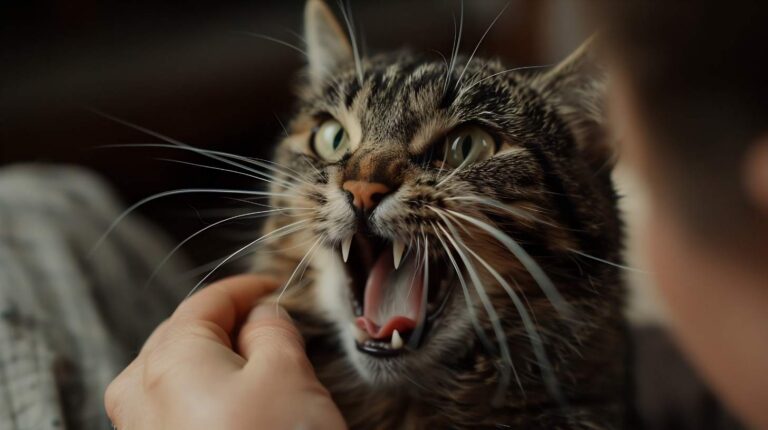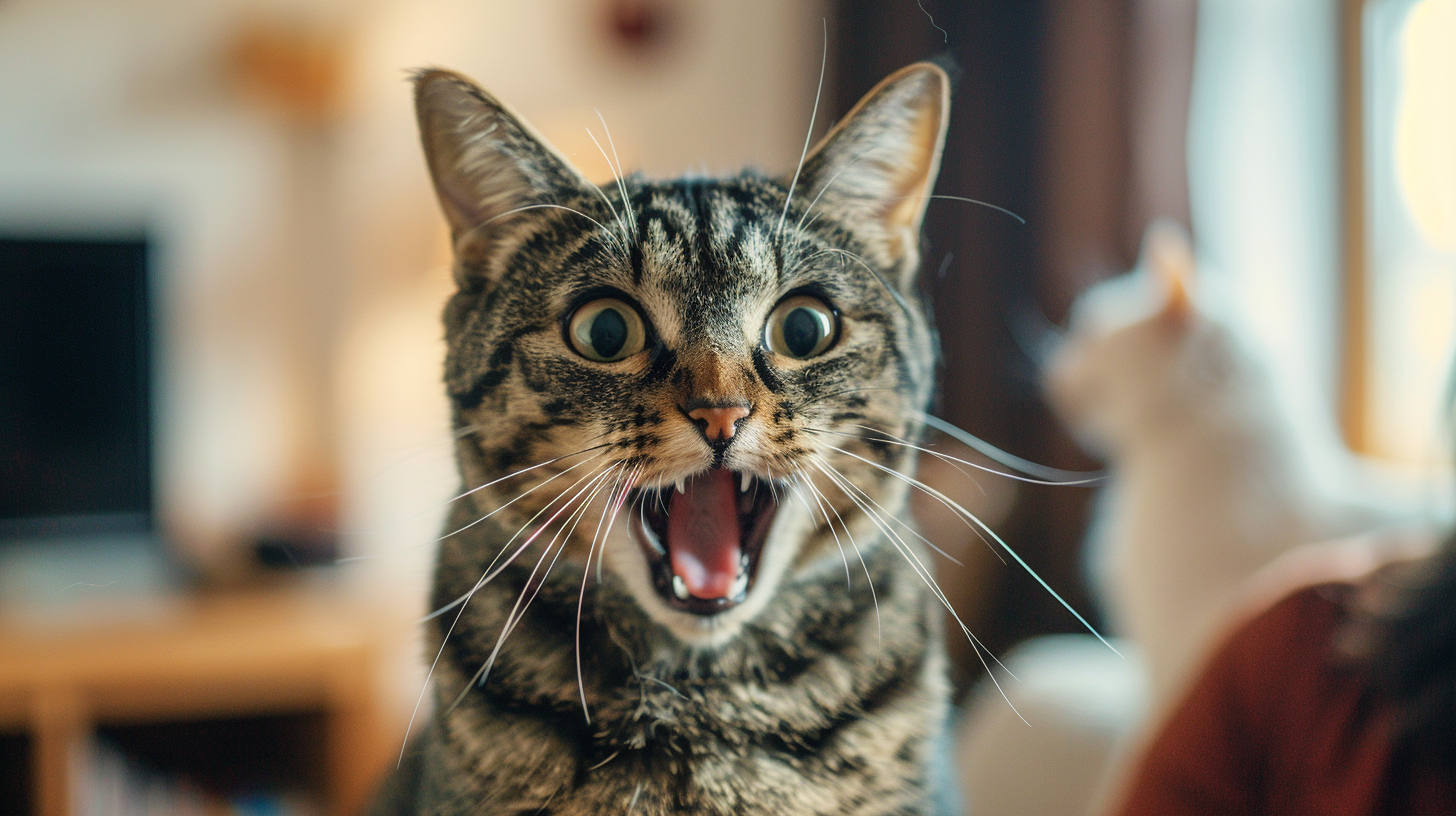
Why is My Cat Meowing so Much?
Your cat won’t stop meowing. It’s 3 AM, and you’re wondering: Is something wrong? Is this normal? Will it ever stop?
Excessive meowing (called “vocalization” in vet terms) is one of the most common complaints from cat owners. While some meowing is normal communication, sudden increases or constant meowing usually signal something your cat is trying to tell you.
This guide covers the 9 most common reasons cats meow excessively, how to identify the cause, and—most importantly—how to solve it.
New cat? Find a name as unique as their character.
Browse 600+ cat names by gender and personality type — because every cat has a story.
Try Pet Name FinderIs My Cat Meowing Too Much?
What’s Normal?
Normal meowing:
- Greetings when you come home
- Asking for food around meal times
- Occasional “conversation” with owners
- Meowing at birds through windows
Breed variation:
- Siamese, Burmese, Oriental breeds: Naturally very vocal (totally normal for them)
- Maine Coons, Ragdolls: Moderate talkers
- British Shorthairs, Persians: Generally quiet
What’s Excessive?
Red flags:
- Meowing constantly throughout the day/night
- Sudden increase in vocalization (previously quiet cat)
- Meowing that sounds distressed or painful
- Disrupts sleep regularly
- Meowing while staring at nothing (senior cats)
If your cat was quiet and suddenly won’t stop meowing → investigate the cause.

Reason 1: Hunger or Thirst
When You’ll Hear It:
- Around meal times (and hours before!)
- After watching you in the kitchen
- Standing by empty food/water bowls
Why Cats Do This:
Cats learn that meowing = food. If you’ve ever given in to meowing and fed your cat early, congratulations—you’ve trained them that meowing works!
Common scenarios:
- Free-feeding stopped: Switched to scheduled meals → cat demands food constantly
- Diet changes: New food is less filling
- Medical: Hyperthyroidism causes insatiable hunger (especially senior cats)
- Water bowl empty: Some cats refuse to drink from bowl with debris
How to Tell This Is the Cause:
- Meowing centers around kitchen/feeding areas
- Stops (temporarily) after eating
- Rubs against legs, leads you to bowl
- Stares at food storage locations
Solutions:
For hunger:
✅ Automatic feeders: Set multiple small meals throughout day (reduces begging)
✅ Puzzle feeders: Makes eating take longer, more satisfying
✅ Increase fiber: Talk to vet about more filling food
✅ Rule out medical: If suddenly always hungry → vet checkup (could be hyperthyroidism, diabetes)
For thirst:
✅ Water fountain: Many cats prefer running water
✅ Multiple bowls: Place in different locations
✅ Clean daily: Cats are picky about fresh water
What NOT to do:
❌ Give in to meowing (reinforces behavior)
❌ Free-feed to solve it (causes obesity)
Reason 2: Attention Seeking
When You’ll Hear It:
- When you’re on phone/computer
- When you’re focused on something else
- Middle of the night (when you’re asleep)
- After you’ve been gone all day
Why Cats Do This:
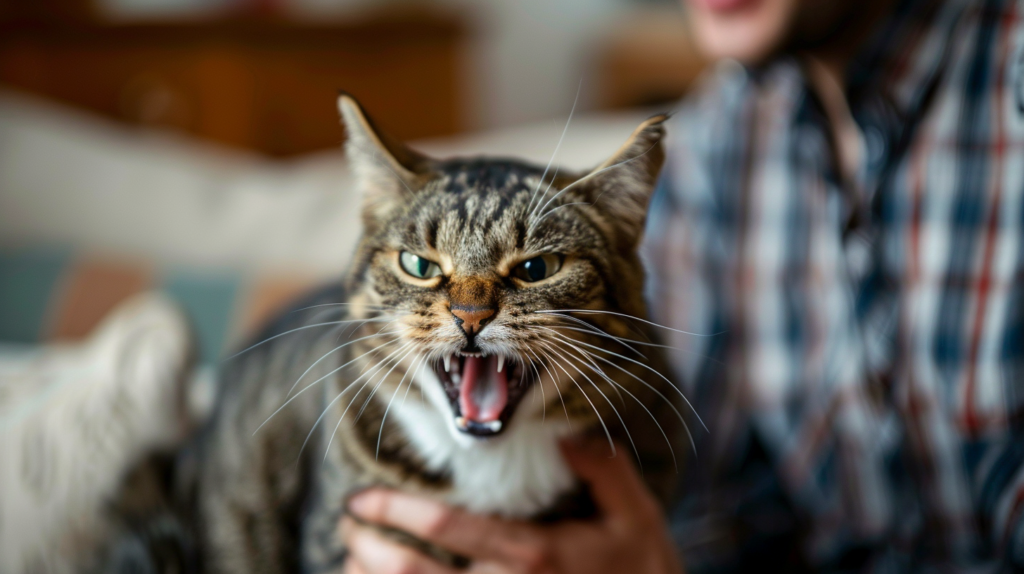
Cats are social animals despite their reputation for independence. Your cat may meow simply because they want interaction—play, petting, or just your presence.
Common triggers:
- Boredom
- Loneliness (especially single-cat households)
- Learned behavior: “Meowing gets attention”
- Under-stimulated indoor cats
How to Tell This Is the Cause:
- Meowing stops when you interact
- Cat follows you room to room
- Intensifies when you ignore them
- No other signs of distress
- Happens most when you’re busy
Solutions:
✅ Scheduled play sessions: 15-20 minutes, 2x daily (morning/evening)
- Use interactive toys (feather wands, laser pointers)
- Tire them out before bedtime
✅ Environmental enrichment:
- Cat trees/perches near windows
- Bird feeders outside for “cat TV”
- Rotating toys (keeps novelty)
- Puzzle toys/treat dispensers
✅ Ignore attention-seeking meows:
- Don’t look, don’t talk, don’t react
- Only give attention when quiet
- Reward silence with treats/play
✅ Consider a second cat:
- If your cat is truly lonely (not all cats want a companion!)
- Best for young cats or known social cats
Important: Never yell at or punish a meowing cat. Negative attention is still attention and reinforces the behavior.
Reason 3: Stress or Anxiety
When You’ll Hear It:
- During or after changes in household
- When seeing/smelling other cats (even through windows)
- In carrier or car
- During loud noises (storms, construction)
- New people visiting
Why Cats Do This:
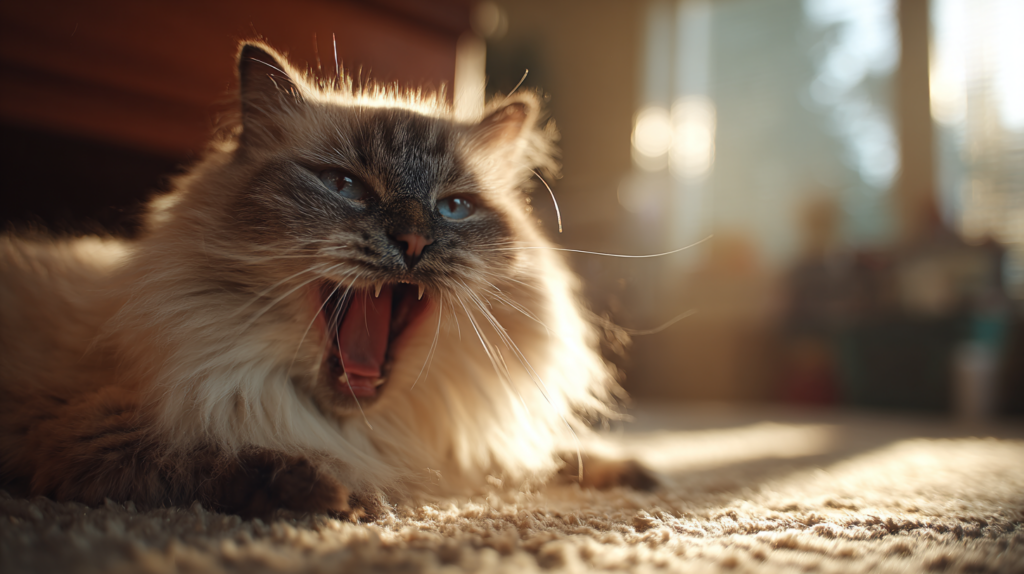
Stressed cats vocalize to express discomfort or fear. This is often accompanied by other stress signals.
Common stressors:
- New pet or baby in home
- Moving to new house
- Rearranged furniture
- New litter brand
- Outdoor cats outside windows
- Owner schedule changes
- Vet visits
How to Tell This Is the Cause:
Look for other stress signs:
- Hiding more than usual
- Decreased appetite
- Over-grooming or hair loss
- Litter box avoidance
- Aggression
- Dilated pupils
- Flattened ears
- Low, tucked body posture
Solutions:
✅ Identify and remove stressor (if possible)
✅ Provide safe spaces:
- High perches (cats feel secure up high)
- Hideaways (boxes, cat caves)
- Access to quiet rooms
✅ Feliway (synthetic pheromones):
- Plug-in diffusers throughout home
- Calms many cats within 1-2 weeks
✅ Maintain routine:
- Feed at same times
- Play at same times
- Keep litter box locations consistent
✅ Block views of outdoor cats:
- Close blinds/curtains
- Cover lower windows with frosted film
When to see vet:
- Stress continues >2 weeks
- Cat is harming themselves (over-grooming)
- Aggression toward people/pets
- May need anti-anxiety medication
Reason 4: Illness or Pain
When You’ll Hear It:
- Continuous, distressed meowing
- While using litter box
- When touched in certain areas
- At night (pain worse when still)
- Meowing that sounds different than normal
Why Cats Do This:
Cats instinctively hide pain, but when it’s severe, they vocalize. This is one of the most serious causes of excessive meowing.
Medical conditions causing meowing:
Urinary tract issues:
- Infections (UTI)
- Crystals/stones
- Blockage (EMERGENCY – especially male cats)
Arthritis:
- Very common in cats over 10 years old
- Pain when jumping, climbing stairs
- Meows when moving
Dental disease:
- Painful teeth/gums
- Meows when eating
Hyperthyroidism:
- Common in senior cats
- Causes hunger, restlessness, vocalization
Cognitive dysfunction (cat dementia):
- Senior cats (15+)
- Disorientation
- Meowing at walls/nothing
How to Tell This Is the Cause:
Red flags – VET VISIT NEEDED:
- Meowing while straining in litter box
- Meowing sounds painful/distressed
- Crying when picked up/touched
- Sudden personality change
- Decreased appetite/weight loss
- Lethargy
- Vomiting/diarrhea
- Limping or difficulty moving
Especially urgent:
- Male cat straining to urinate → EMERGENCY (can die within 24-48 hours if blocked)
- Crying constantly + hiding
- Open-mouth breathing
Solutions:
✅ VET VISIT IMMEDIATELY if you suspect pain/illness
✅ Don’t wait: Cats hide pain until it’s severe
✅ Tell vet:
- When meowing started
- What triggers it
- Any other behavior changes
- Litter box habits
Treatment depends on diagnosis:
- UTI → Antibiotics
- Arthritis → Pain medication, joint supplements
- Dental → Cleaning/extractions
- Hyperthyroidism → Medication or radioactive iodine
- Cognitive dysfunction → Environmental management, possible medication
Reason 5: Heat Cycle (Unspayed Females)
When You’ll Hear It:
- Continuously for 4-10 days
- Every 2-3 weeks if not bred
- Loudest at night
- Sounds like yowling, not normal meowing
Why Cats Do This:
Unspayed female cats in heat vocalize to attract males. It’s instinctive and impossible to stop without spaying.
What heat looks like:
- Excessive vocalization (loud, persistent)
- Rolling on floor
- Raising hindquarters when petted
- Rubbing against everything
- Trying to escape outside
- Spraying urine
Frequency:
- Can cycle every 2-3 weeks
- Most common in spring/summer (but can happen year-round indoors)
How to Tell This Is the Cause:
- Cat is unspayed female
- 6+ months old (can start as early as 4 months!)
- Accompanied by other heat behaviors
- Comes and goes in cycles
Solutions:
✅ SPAY YOUR CAT (only permanent solution)
Benefits of spaying:
- Stops heat cycles permanently
- Prevents unwanted litters
- Reduces cancer risk (mammary, ovarian, uterine)
- Reduces roaming/escape attempts
- Reduces spraying
Cost: $50-300 (many low-cost clinics available)
Temporary management (until spay appointment):
- Keep indoors (will try to escape!)
- Distraction with play
- Feliway diffusers (mild calming effect)
Note: Spaying during heat is possible but may cost more. Schedule for between cycles if possible.

Reason 6: Cognitive Dysfunction (Senior Cats)
When You’ll Hear It:
- Middle of night (most common)
- While staring at walls/nothing
- Sounds disoriented or confused
- Wandering aimlessly while meowing
Why Cats Do This:
Cognitive Dysfunction Syndrome (CDS) is similar to Alzheimer’s in humans. It affects cats typically 15+ years old.
Symptoms of CDS:
- Disorientation (getting lost in familiar places)
- Altered sleep-wake cycles (awake all night)
- Decreased interaction with family
- House-soiling (forgetting litter box location)
- Staring at walls
- Loud meowing, especially at night
- Decreased grooming
How to Tell This Is the Cause:
- Cat is senior (12+, most common 15+)
- Meowing seems purposeless (not asking for anything specific)
- Happens at night
- Other CDS symptoms present
- Vet ruled out medical causes
Solutions:
No cure, but management helps:
✅ Night lights: Help disoriented cats navigate
✅ Maintain strict routine: Reduces confusion
✅ Litter boxes on every floor: Easier access
✅ Don’t rearrange furniture: Keep environment familiar
✅ Supplements:
- Omega-3 fatty acids
- SAMe
- Antioxidants
- Ask vet about prescription diets (Hill’s b/d)
✅ Medication (if severe):
- Selegiline (Anipryl) – prescription
- Can help some cats
✅ Enrichment:
- Gentle play
- New scents/toys
- Keep brain active
Compassion:
- Your cat isn’t being annoying on purpose
- They’re genuinely confused
- Comfort them, don’t punish
Reason 7: Breed Predisposition (Chatty Cats)
Breeds That Naturally Meow More:
Very vocal:
- Siamese (extremely talkative!)
- Oriental Shorthair
- Burmese
- Tonkinese
- Sphynx
Moderately vocal:
- Maine Coon
- Japanese Bobtail
- Turkish Angora
Generally quiet:
- British Shorthair
- Persian
- Ragdoll
- Scottish Fold
Why They Do This:
Genetics! Some breeds were selectively bred for vocalization or naturally developed “talkativeness.”
Siamese cats are famous for loud, opinionated “conversations.” This is normal and not a problem—it’s their personality.
How to Tell This Is the Cause:
- You have a naturally vocal breed
- Cat has always been talkative (not sudden change)
- Meowing sounds conversational, not distressed
- Cat is otherwise healthy and happy
Solutions:
✅ Accept it: This is their nature
✅ Talk back: Many vocal cats love “conversations”
✅ Provide outlets: Interactive toys, play
✅ Don’t reinforce excessive demands: Respond to reasonable requests only
What NOT to do:
❌ Punish (this is who they are!)
❌ Expect them to be quiet (unfair to breed)
Before getting a vocal breed: Research! Know what you’re signing up for.

Reason 8: Greeting/Social Communication
When You’ll Hear It:
- When you come home
- When you enter a room
- Morning (good morning meow!)
- When they see you after nap
Why Cats Do This:
This is normal, friendly communication! Your cat is saying hello, expressing happiness to see you, or starting a “conversation.”
Types of greeting meows:
- Short, chirping sounds
- Soft, medium-pitched
- Often while running toward you
- Accompanied by tail up, relaxed body
How to Tell This Is the Cause:
- Brief, situational meowing
- Happy body language (tail up, slow blinks, purring)
- Stops after acknowledgment
- Doesn’t disrupt life
Solutions:
✅ This is normal and sweet! Enjoy it.
✅ Respond: Say hello back, pet them
✅ If you want less: Greet them first before they meow (rewards silence)
This is healthy cat communication—no need to “fix” it.
Reason 9: Boredom or Understimulation
When You’ll Hear It:
- During the day when you’re at work
- Evening when nothing is happening
- When looking out windows
- While wandering house
Why Cats Do This:
Indoor cats, especially those home alone, can become bored and understimulated. Meowing is a way to self-soothe or seek interaction.
Risk factors:
- Single cat (no playmate)
- Small apartment (limited exploration)
- No window access
- Few toys
- Owner works long hours
How to Tell This Is the Cause:
- Cat has no medical issues
- Mostly during “boring” times
- Stops when you engage/play
- Destructive behaviors too (knocking things over)
- Hyperactivity when you come home
Solutions:
✅ Enrich environment:
- Cat trees/vertical space
- Window perches (“cat TV”)
- Bird feeders outside
- Rotating toy selection
- Cardboard boxes (cats love them!)
✅ Puzzle feeders: Makes eating more engaging
✅ Interactive play before leaving:
- 15 minutes of intense play
- Tire them out
✅ Leave on cat videos/music:
- YouTube has “videos for cats”
- Some cats enjoy it!
✅ Consider a companion:
- If cat is social (not all are!)
- Two cats entertain each other
✅ Cat sitter or daycare:
- If budget allows
- Breaks up day

When to Worry & See a Vet
🚨 Immediate Vet Visit If:
- Male cat straining to urinate (life-threatening blockage)
- Meowing sounds like pain/distress
- Accompanied by lethargy, vomiting, hiding
- Open-mouth breathing
- Collapse or extreme weakness
- Sudden paralysis
📞 Schedule Vet Visit Soon If:
- Sudden increase in meowing (previously quiet cat)
- Senior cat with new excessive nighttime meowing
- Meowing when using litter box
- Weight loss despite eating more
- Decreased appetite
- Behavior changes (hiding, aggression)
- Excessive thirst/urination
- Diarrhea or vomiting
Rule of thumb: Any sudden change in your cat’s normal behavior warrants a vet checkup.
How to Reduce Excessive Meowing (Training Tips)
Rule #1: Don’t Reinforce It
What NOT to do:
- ❌ Give food when they meow for it
- ❌ Give attention when they meow for it
- ❌ Yell (negative attention = still attention!)
What TO do:
- ✅ Ignore attention-seeking meows completely
- ✅ Wait for quiet
- ✅ Reward silence with treats/attention
- ✅ Turn away, leave room if needed
This is HARD but works!
Rule #2: Timing Matters
Reward quiet moments:
- Catch them being quiet → treat
- Enter room when they’re silent → attention
- Feed slightly before they start meowing
Break the pattern:
- If they meow for breakfast → wait 5 minutes after they stop
- Never give them what they want while meowing
Rule #3: Address Underlying Needs
You can’t train away legitimate needs:
✅ Ensure adequate:
- Food (appropriate amounts, satisfying diet)
- Water (fresh, accessible)
- Play/exercise
- Litter box cleanliness
- Enrichment
Once needs are met, you can train away excessive demanding.
Rule #4: Be Consistent
Everyone in household must follow same rules:
- If one person gives in → all training undone
- Takes 2-4 weeks to change behavior
- Stick with it!

Products That Can Help
For Stress/Anxiety:
- Feliway diffusers (synthetic cat pheromones)
- Calming treats (L-theanine, chamomile)
- ThunderShirt (gentle pressure)
For Boredom:
- Puzzle feeders (SlimCat, Trixie)
- Cat trees (multi-level)
- Window perches
- Interactive toys (automated toys when you’re gone)
For Hunger:
- Automatic feeders (multiple small meals)
- Slow feeders (extends meal time)
For Training:
- Clicker (positive reinforcement training)
- High-value treats (freeze-dried chicken, Churu)
Common Questions
Q: Why does my cat meow at me constantly?
A: Most commonly: attention-seeking, hunger, or boredom. Rule out medical issues first, then address behavioral causes.
Q: Why does my cat meow at night?
A: Common reasons: hunger, boredom (nocturnal instincts), senior cognitive dysfunction, or learned behavior (you responded before, so they try again).
Q: Should I ignore my meowing cat?
A: If you’ve ruled out medical/legitimate needs (food, water, clean litter) → YES, ignore attention-seeking meows. Only reward silence.
Q: Can I train my cat to stop meowing?
A: You can reduce excessive meowing through behavior modification, but some meowing is normal communication. Never punish.
Q: My senior cat meows loudly at night. What should I do?
A: See a vet to rule out hyperthyroidism, pain, high blood pressure. If cognitive dysfunction: night lights, routine, possible medication.
The Bottom Line
Excessive meowing always has a reason. Your job is to figure out what your cat is trying to tell you.
Step-by-step approach:
- Rule out medical causes (vet visit if sudden change)
- Meet basic needs (food, water, clean litter, play)
- Identify trigger (when does meowing happen?)
- Address root cause (boredom → enrichment; stress → Feliway; etc.)
- Don’t reinforce attention-seeking meows
- Be patient (behavior change takes time)
Most meowing problems can be solved with environmental changes, routine, and training.
Is your cat a chatterbox? What worked for you? Share in the comments!
This article provides general guidance. Always consult your veterinarian for medical concerns or sudden behavior changes.