
Can Dogs Eat Watermelon?
It’s a hot summer day, and you’re enjoying a juicy slice of watermelon. Your dog is giving you those irresistible puppy eyes. You wonder: Can I share this refreshing treat?
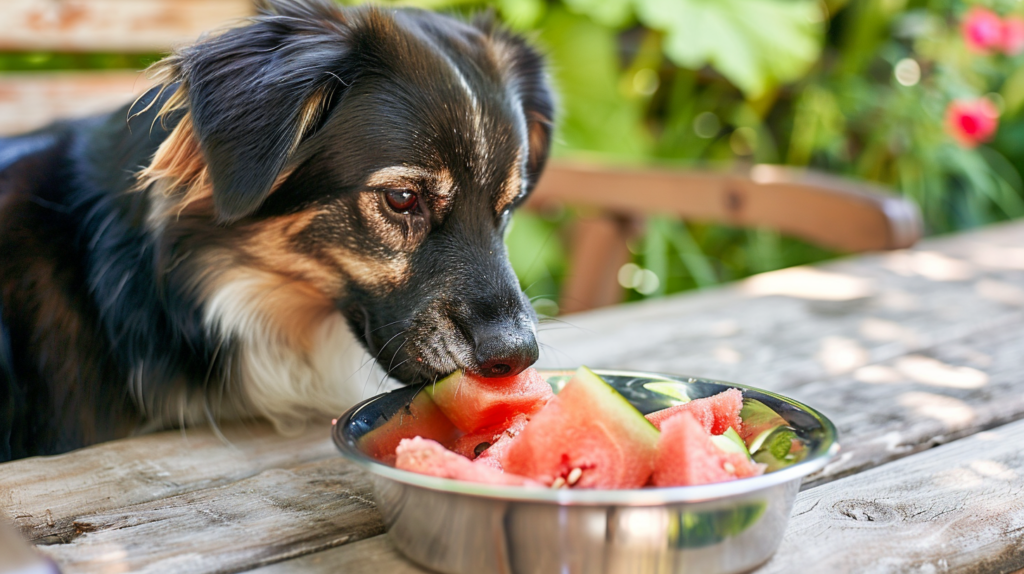
Quick answer: YES! Dogs can safely eat watermelon-and most love it.
But there are important guidelines on which parts are safe, proper serving sizes, and potential risks every dog owner should know.
This complete guide covers everything about feeding watermelon to dogs, from nutritional benefits to preparation tips.
New puppy? Find a name that fits their personality.
Browse 600+ dog names by gender and personality type — playful, calm, bold, elegant, funny or mysterious.
Try Pet Name FinderCan Dogs Eat Watermelon? The Short Answer
✅ YES-Watermelon Is Safe for Dogs!
Watermelon is:
- Non-toxic to dogs
- Low in calories (great for overweight dogs)
- Hydrating (92% water!)
- Nutritious (vitamins A, B6, C)
- Refreshing summer treat
BUT: Only the flesh is safe. Seeds and rind are problematic.

Health Benefits of Watermelon for Dogs
1. Excellent Hydration (92% Water)
On hot days, watermelon helps keep dogs hydrated-especially useful for:
- Dogs who don’t drink enough water
- Active dogs after exercise
- Hot summer days
- Senior dogs who forget to drink
Think of it as: A frozen, tasty way to sneak in extra hydration.
2. Low in Calories (Perfect for Weight Management)
Nutrition per 100g:
- Calories: 30
- Fat: 0.2g
- Sugar: 6g (natural)
Comparison:
- Watermelon (1 cup): ~45 calories
- Commercial dog treat: ~50-100 calories
- Cheese (common treat): ~110 calories per ounce
Great for: Dogs on diets, overweight dogs, senior dogs with reduced activity.
3. Rich in Vitamins
Vitamin A (Beta-carotene):
- Supports vision
- Boosts immune system
- Promotes healthy skin and coat
Vitamin B6:
- Supports brain function
- Helps produce red blood cells
- Aids hormone regulation
Vitamin C:
- Antioxidant (fights free radicals)
- Supports immune health
- Aids collagen production
Note: Dogs produce their own vitamin C, but extra dietary amounts support overall health.
4. Contains Lycopene (Powerful Antioxidant)
Lycopene gives watermelon its red color and provides:
- Cancer-fighting properties (antioxidant)
- Heart health support
- Skin protection (from UV damage)
Bonus: Watermelon has more lycopene than raw tomatoes!

5. Fiber for Digestive Health
Watermelon contains soluble and insoluble fiber:
- Aids digestion
- Promotes regular bowel movements
- Supports gut health
Amount: Moderate (not too much, which is good—excess fiber causes diarrhea).
6. Potassium for Heart & Muscle Function
Supports:
- Heart health
- Muscle contractions
- Nerve signaling
Good for: Active dogs, working breeds, senior dogs with heart conditions (vet-approved amounts).
Parts of Watermelon: Safe vs. Dangerous
✅ SAFE: Red Flesh (Seedless)
What to feed:
- Pink/red watermelon flesh
- Remove ALL seeds
- Remove ALL rind
- Cut into bite-sized chunks
This is the ONLY safe part.
⚠️ RISKY: Seeds
Why they’re problematic:
Black seeds (mature):
- Choking hazard (especially small dogs)
- Intestinal blockage risk (if eaten in quantity)
- Contain cyanide compounds (trace amounts—not deadly, but why risk it?)
White seeds (immature):
- Generally safer than black seeds
- Still best to remove
- Can cause mild digestive upset
Solution: Buy seedless watermelon or remove all seeds before serving.
Did your dog eat something dangerous? Find out right now.
Enter what they ate and their weight — get an instant toxicity assessment for 35+ substances.
Check Toxicity Now❌ DANGEROUS: Rind (Green Part)
Why rinds are bad:
- Difficult to digest
- Too tough for dog’s digestive system
- Can cause stomach upset
- Choking hazard
- Large pieces can lodge in throat
- Intestinal blockage
- Doesn’t break down easily
- Can cause obstruction (may require surgery)
Symptoms if dog eats rind:
- Vomiting
- Diarrhea
- Abdominal pain
- Lethargy
- Loss of appetite
If your dog ate rind: Monitor closely. Call vet if symptoms appear or if large amount consumed.

How Much Watermelon Can Dogs Eat?
Safe Serving Sizes by Dog Weight:
| Dog Size | Weight | Safe Amount | Frequency |
|---|---|---|---|
| Toy | Under 10 lbs | 2-3 small cubes | 2-3x/week |
| Small | 10-25 lbs | 4-5 cubes | 2-3x/week |
| Medium | 25-60 lbs | 1 cup cubed | 2-3x/week |
| Large | 60+ lbs | 1-2 cups cubed | 2-3x/week |
Rule of thumb: Treats (including watermelon) should be less than 10% of daily calories.
Example Calculation (50 lb dog):
- Daily calories needed: ~1,200
- 10% = 120 calories
- 1 cup watermelon = ~45 calories
- Safe max: About 2-3 cups (but don’t feed this much daily!)
Start small: First time? Give just 1-2 pieces. Watch for digestive upset before increasing.
How to Prepare Watermelon for Your Dog
Step-by-Step:
1. Choose Seedless Watermelon
- Easiest and safest option
- No seed removal needed
2. Wash the Exterior
- Even though you remove rind, bacteria from outside can transfer to flesh
- Rinse under cool water
3. Remove ALL Rind
- Cut away all green and white parts
- Only pink/red flesh should remain
4. Remove Seeds (If Seeded Variety)
- Pick out every single seed
- Check carefully (some hide in flesh)
5. Cut Into Appropriate Chunks
- Small dogs: Pea-sized pieces
- Medium dogs: Grape-sized pieces
- Large dogs: Strawberry-sized chunks
6. Serve Fresh or Frozen
- Fresh: Room temperature or chilled
- Frozen: Great for hot days (like popsicles!)
Creative Ways to Serve Watermelon
1. Frozen Watermelon Cubes
How to make:
- Cut watermelon into cubes
- Place on parchment paper
- Freeze for 2-3 hours
- Serve as frozen treats
Perfect for: Hot summer days, teething puppies, post-exercise refreshment.
2. Watermelon “Popsicles”
How to make:
- Puree watermelon (seedless, no rind)
- Pour into ice cube trays or silicone molds
- Freeze overnight
- Pop out and serve
Bonus: Add small amount of plain yogurt for creamier texture.

3. Watermelon & Banana Blend
How to make:
- Blend: watermelon + banana
- Pour into Kong toy
- Freeze
- Gives hours of licking entertainment
4. Plain Cubes (Simple & Best)
Sometimes simple is best:
- Just cut cubes
- Serve fresh
- Dogs love it as-is!
When Dogs Should NOT Eat Watermelon
🚫 Avoid Watermelon If Your Dog Has:
1. Diabetes
- Watermelon contains natural sugars (6g per 100g)
- Can affect blood sugar levels
- Consult vet before feeding
2. Severe Obesity
- While low-calorie, sugar content may not align with strict diet
- Ask vet if appropriate
3. Sensitive Stomach
- High water content can cause diarrhea in some dogs
- Introduce slowly
- Watch for loose stools
4. Pancreatitis History
- Generally okay (low fat), but consult vet first

Signs Your Dog Ate Too Much Watermelon
Symptoms of overindulgence:
- Diarrhea (most common)
- Loose stools
- Stomach upset/bloating
- Increased urination (from water content)
- Gas
If mild: Withhold watermelon, offer plenty of water, should resolve in 24 hours.
If severe or persists >24 hours: Call vet.
Can Puppies Eat Watermelon?
✅ YES—But With Extra Caution
Safe for puppies 8+ weeks old.
Guidelines:
- Smaller pieces than adult dogs (choking prevention)
- Remove ALL seeds (more dangerous for small puppies)
- Start with tiny amount (1-2 small pieces)
- Watch for digestive upset
Puppies have sensitive stomachs—introduce slowly!
Can Senior Dogs Eat Watermelon?
✅ YES—And Often Beneficial!
Why seniors love watermelon:
- Hydration (seniors often don’t drink enough)
- Easy to chew (soft texture good for dental issues)
- Low-calorie (seniors have slower metabolism)
- Vitamins support aging immune system
Serving tips:
- Smaller pieces (easier to chew)
- Ensure well-hydrated (watermelon + water = possible diarrhea if dehydrated)
- Monitor bathroom habits
Watermelon vs. Other Fruits for Dogs
✅ Safe Fruits for Dogs:
- Apples (no seeds/core)
- Blueberries
- Strawberries
- Cantaloupe
- Bananas (small amounts)
- Mango (no pit)
- Pineapple (small amounts)
❌ Toxic Fruits for Dogs:
- Grapes/Raisins (kidney failure—DEADLY)
- Cherries (cyanide in pits)
- Avocado (persin toxin)
- Citrus (in large amounts—stomach upset)
Watermelon ranks as one of the SAFEST fruits for dogs.
Common Questions
Q: Can dogs eat watermelon rind?
A: NO. Rind is hard to digest and can cause choking or intestinal blockage. Only feed the flesh.
Q: Can dogs eat watermelon seeds?
A: Best to avoid. Black seeds are choking hazards and can cause blockages. White seeds are less risky but still should be removed.
Q: How much watermelon can I give my dog?
A: Depends on size. Small dogs: 2-3 small cubes. Large dogs: Up to 1-2 cups. Always less than 10% of daily calories.
Q: Can watermelon give dogs diarrhea?
A: Yes, if given too much. The high water content can cause loose stools. Start small and increase gradually.
Q: Is frozen watermelon safe for dogs?
A: Absolutely! Frozen watermelon makes a great summer treat. Just ensure pieces are appropriately sized (not huge chunks that could be swallowed whole).
Q: Can diabetic dogs eat watermelon?
A: Consult your vet. Watermelon contains natural sugars that may affect blood glucose levels.
Watermelon Safety Checklist
Before serving watermelon to your dog:
□ Seedless variety OR all seeds removed
□ All rind (green + white parts) removed
□ Cut into appropriate size chunks
□ Amount is appropriate for dog's size
□ Dog has no diabetes or digestive issues
□ First time? Start with 1-2 small pieces
□ Fresh or frozen (not spoiled)
□ Served plain (no added sugar, salt, or flavoring)
The Bottom Line
✅ Watermelon is safe and healthy for dogs—in moderation.
Key takeaways:
- Feed only the red/pink flesh (seedless or seeds removed)
- NO rind, NO seeds
- Amount depends on dog’s size
- Great hydration source on hot days
- Low-calorie, nutritious treat
- Introduce slowly (watch for digestive upset)
Watermelon can be a refreshing, healthy addition to your dog’s treat rotation—especially in summer!
Does your dog go crazy for watermelon? Share your favorite serving method in the comments!
This article is for informational purposes. Always consult your veterinarian before introducing new foods, especially if your dog has health conditions.