Why do Cats Purr?
That gentle rumbling sound—the unmistakable purr of a content cat. It’s one of the most comforting sounds in the world, but have you ever wondered why cats purr?
Most people assume purring only means happiness. While that’s often true, the science behind purring is far more complex and fascinating than you might think. Cats purr for at least seven distinct reasons—some surprising, some concerning.
This guide explores the real science behind why cats purr, what it means, and when a purr might signal something other than contentment.
New cat? Find a name as unique as their character.
Browse 600+ cat names by gender and personality type — because every cat has a story.
Try Pet Name FinderHow Do Cats Purr? (The Mechanism)
Before we dive into why, let’s understand how.
The Science:
Cats produce purring through rapid contractions of the muscles within their larynx (voice box). These muscles vibrate at a frequency of 25-150 Hz (vibrations per second) as the cat breathes in and out.
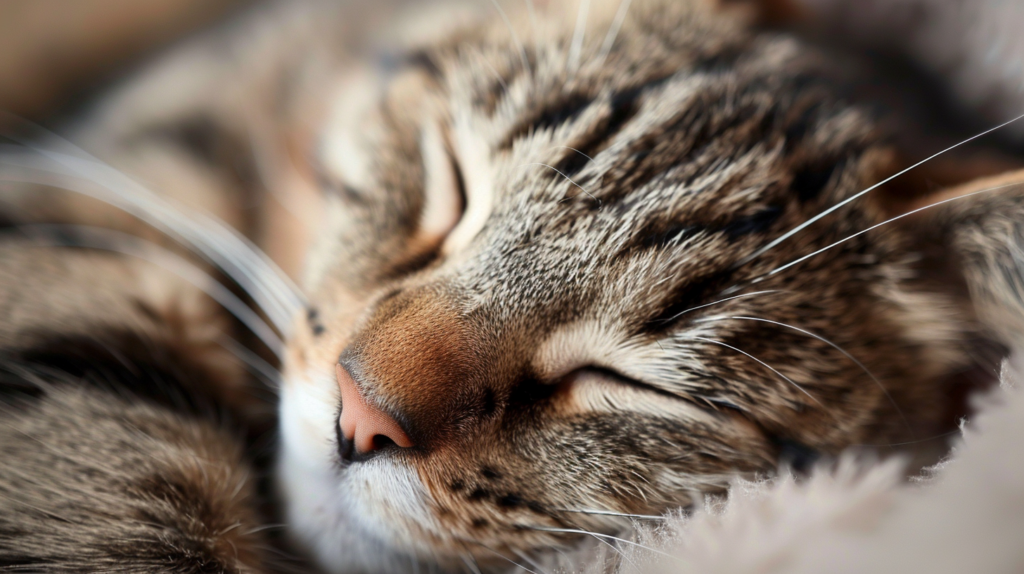
Fun fact: Unlike meowing (which only happens with the mouth open), cats can purr with their mouths completely closed—even while eating or nursing!
Unique to Small Cats:
Most small cat species purr (domestic cats, bobcats, lynx, cheetahs), but big cats (lions, tigers, leopards) cannot. Instead, they roar. The exception? Cheetahs can purr but cannot roar.

Reason 1: Happiness & Contentment (The Classic)
When You’ll Hear It:
- Being petted or cuddled
- Sitting in a sunny spot
- Nursing kittens
- Curled up in your lap
The Science:
When a cat feels safe, relaxed, and content, their brain releases feel-good hormones (serotonin and dopamine), which trigger purring. This is the purr most cat owners recognize—a steady, medium-pitch rumble.
What it sounds like: Consistent, rhythmic, not too loud.
Body language to confirm happiness:
- Relaxed posture
- Half-closed eyes
- Slow blinking
- Kneading with paws (making biscuits!)
Reason 2: Self-Healing & Pain Management
When You’ll Hear It:
- After surgery or injury
- During illness
- In stressful situations (vet visits)
The Science (Mind-Blowing!):
Studies show that the 25-150 Hz frequency of cat purring can promote:
- Bone density (healing fractures faster)
- Tissue repair (wound healing)
- Pain relief (natural endorphin release)
- Reduced swelling and inflammation
Research findings:
- Cats heal from fractures faster than dogs
- The vibration frequency matches therapeutic frequencies used in human physical therapy
What it sounds like: May be quieter, intermittent, or paired with closed eyes and stillness.
Body language:
- Withdrawn or hiding
- Less responsive to touch
- Possibly trembling
- Reduced appetite
Important: If your cat is purring but showing signs of illness or pain, see a vet immediately. Purring does NOT always mean “I’m fine.”
Reason 3: Asking for Food or Attention
When You’ll Hear It:
- Near feeding time
- When they want something from you
- Following you around the house
The Science:
Researchers discovered a specific type of purr called the “solicitation purr.” This purr has a higher-frequency component (around 220-520 Hz) embedded within the normal purr—similar to a baby’s cry.
Why it works: This frequency triggers a nurturing response in humans (and other cats). We’re biologically wired to respond to it!
Study: Dr. Karen McComb (University of Sussex) found that humans can distinguish between a “content purr” and a “feed me” purr—even if they don’t consciously realize it.
What it sounds like: More urgent, slightly higher-pitched, mixed with meowing.
Body language:
- Rubbing against your legs
- Leading you toward food bowl
- Pawing at you
- Intense eye contact
Reason 4: Mother-Kitten Communication
When You’ll Hear It:
- Mother cats nursing kittens
- Kittens purring while feeding
- Mother and kittens grooming each other
The Science:
Kittens are born blind and deaf but can feel vibrations. A mother cat purrs to guide her kittens to her for nursing. Kittens start purring back at just 2 days old—before they can even meow!
Purpose:
- Helps kittens locate mom in the dark
- Signals “all is safe”
- Strengthens bonding
What it sounds like: Softer, gentler, more rhythmic.

Reason 5: Stress or Anxiety (Self-Soothing)
When You’ll Hear It:
- During vet visits
- When introducing a new pet
- During thunderstorms or fireworks
- In unfamiliar environments
The Science:
Cats purr to calm themselves in stressful situations. Think of it like humans humming a tune or rocking back and forth when nervous—it’s a self-soothing behavior.
The vibrations release endorphins, which help reduce stress hormones (cortisol).
What it sounds like: Can be loud or soft, often paired with tense body language.
Body language to watch for:
- Ears flattened
- Tail tucked or thrashing
- Dilated pupils
- Crouching or hiding
- Refusing food
Important: A stressed cat needs comfort, not more stimulation. Give them space and a quiet environment.
Reason 6: Labored Breathing or Respiratory Distress
When You’ll Hear It:
- During difficulty breathing
- Paired with open-mouth breathing
- After intense exertion
The Warning:
Sometimes, what sounds like purring is actually respiratory distress (stridor or stertor). If your cat is “purring” but showing these signs, seek emergency vet care:
Red flags:
- Open-mouth breathing
- Rapid or shallow breathing
- Blue or pale gums
- Lethargy
- Collapse
Difference between purring and respiratory distress:
| Normal Purr | Respiratory Distress |
|---|---|
| Steady, rhythmic | Irregular, gasping |
| Mouth closed | Mouth open |
| Relaxed body | Tense, hunched |
| Normal breathing rate | Rapid breathing (>40 breaths/min) |
Reason 7: End-of-Life Comfort
When You’ll Hear It:
- During terminal illness
- In a cat’s final hours
The Science (Heartbreaking but Important):
Some cats purr during their final moments. This may be:
- Self-soothing
- Pain management through endorphin release
- Communication: “I’m ready, it’s okay”
If your senior or ill cat is purring but declining:
This is not necessarily a good sign. Monitor for:
- Stopping eating/drinking
- Difficulty moving
- Labored breathing
- Loss of consciousness
What to do: Contact your vet for guidance on palliative care or humane euthanasia.
Can All Cats Purr?
Yes, but with exceptions:
Cats that purr:
- All domestic cats
- Cheetahs
- Bobcats
- Lynx
- Cougars (pumas)
Cats that DON’T purr:
- Lions
- Tigers
- Leopards
- Jaguars
Why? Big cats have a different larynx structure that allows them to roar instead.

Common Questions
Q: Why does my cat purr and then bite me?
A: Called “petting-induced aggression.” Your cat becomes overstimulated. Purring doesn’t always mean “keep going”—watch for tail twitching or ear flattening (signs to stop petting).
Q: Why does my cat purr so loud?
A: Some cats are naturally louder! Persians and Maine Coons tend to purr loudest. As long as body language is relaxed, it’s normal.
Q: My cat doesn’t purr. Is something wrong?
A: About 5% of cats rarely or never purr. If your cat is otherwise healthy and affectionate, they may just be a non-purrer!
Q: Can a cat’s purr really heal bones?
A: Studies suggest the frequency (25-150 Hz) promotes bone density and healing. While not a replacement for vet care, it’s a fascinating biological advantage!
The Bottom Line
Cats purr for many reasons—from pure happiness to pain management to stress relief. While most purring is positive, always look at the full picture: body language, context, and overall health.
Key takeaways:
- ✅ Most purring = contentment or communication
- ⚠️ Purring + signs of illness = vet visit needed
- ⚠️ Purring + respiratory distress = emergency
- ✅ Purring has real healing properties (science-backed!)
Trust your instincts. You know your cat best.
Does your cat purr in unique situations? Share in the comments!
This article provides general information. Always consult your veterinarian for health concerns.