How To Get Rid Of Fleas On Dogs?
Your dog is scratching constantly. You part their fur and see small, dark insects jumping away. Your heart sinks. Fleas.
Flea infestations are frustrating, uncomfortable for your dog, and can quickly spread throughout your home. But they’re not impossible to eliminate.
The key to getting rid of fleas is a comprehensive approach: treating your dog, treating your home, and preventing reinfestation.
This complete guide covers everything you need to know about eliminating fleas from your dog and home, from immediate treatments to long-term prevention.
New puppy? Find a name that fits their personality.
Browse 600+ dog names by gender and personality type — playful, calm, bold, elegant, funny or mysterious.
Try Pet Name FinderUnderstanding Fleas
Fleas are tiny parasitic insects that feed on animal blood. One female flea can lay up to 50 eggs per day.
Flea life cycle:
Eggs: Fall off your dog into carpet, bedding, furniture. Hatch in 2-14 days.
Larvae: Emerge from eggs. Feed on organic debris. Avoid light; hide deep in carpet fibers.
Pupae: Larvae spin cocoons. Can remain dormant for months. Resistant to insecticides.
Adult fleas: Emerge when conditions are right. Jump onto host. Begin feeding and reproducing immediately.
Why this matters: Treating only adult fleas on your dog isn’t enough. You must break the life cycle by treating environment too.
Total life cycle: 2 weeks to several months depending on conditions.
Signs Your Dog Has Fleas
Visual Signs
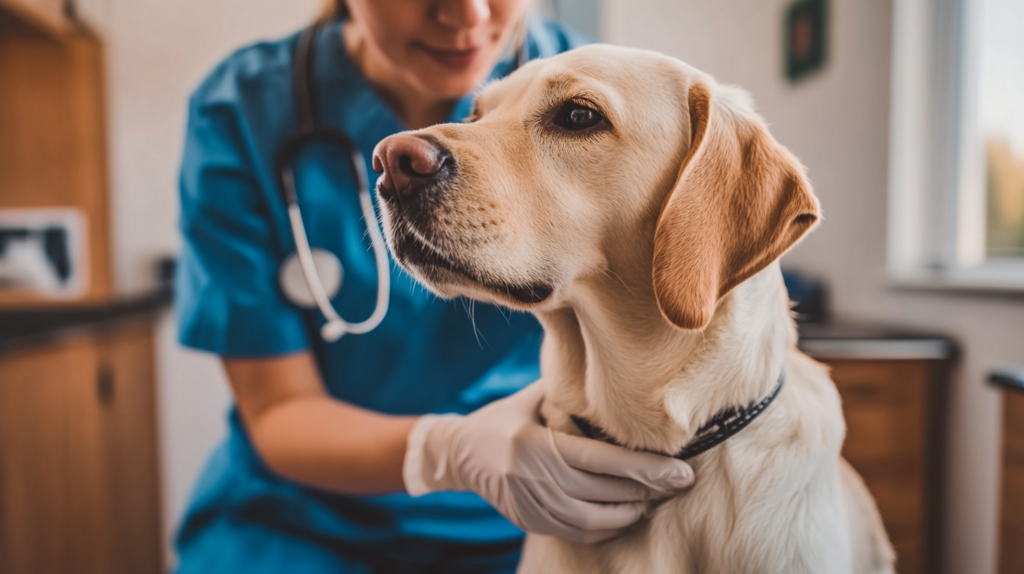
Small, dark brown insects moving through fur. Flea dirt: black specks that turn red when moistened. This is flea feces containing digested blood. Red, irritated skin. Hair loss, especially near tail base and hindquarters. Pale gums in severe infestations indicating anemia.
Behavioral Signs
Excessive scratching, biting, or licking. Focus on tail base, belly, and hindquarters. Restlessness and discomfort. Head shaking if fleas near ears. Behavioral changes due to irritation.
How to Check for Fleas
Flea comb method:
Use fine-toothed flea comb. Comb through fur, especially near tail base. Look for adult fleas on comb. Wipe comb on white paper towel. Check for flea dirt; sprinkle water on it. If turns reddish-brown, it’s flea dirt.
White towel test:
Have dog stand on white towel or sheet. Brush or scratch dog’s coat vigorously. Check towel for falling flea dirt or live fleas.
Health Risks of Fleas
Fleas aren’t just annoying; they cause serious health problems.
Flea allergy dermatitis:
Allergic reaction to flea saliva. Even one flea bite triggers intense itching. Leads to hair loss, hot spots, secondary infections.
Anemia:
Severe infestations cause significant blood loss. Puppies, small dogs, and senior dogs most at risk. Symptoms: pale gums, lethargy, weakness.
Tapeworms:
Fleas carry tapeworm eggs. Dogs ingest fleas while grooming. Tapeworms develop in intestines.
Bartonellosis:
Bacterial infection transmitted by fleas. Causes fever, lethargy, swollen lymph nodes.
Skin infections:
Constant scratching breaks skin. Bacterial infections develop in damaged areas.
Step-by-Step Flea Elimination Plan
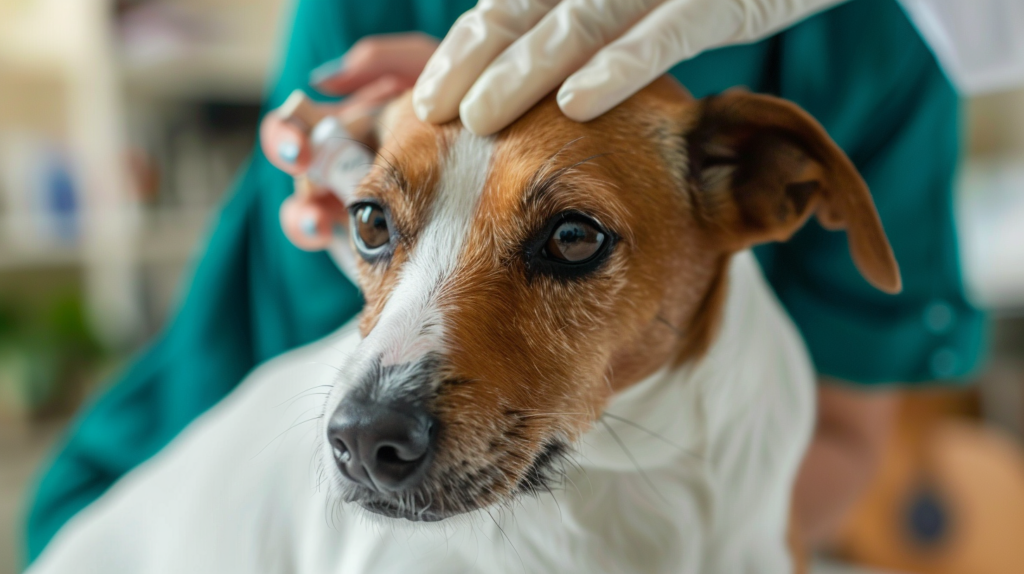
Getting rid of fleas requires treating dog AND environment simultaneously.
Phase 1: Immediate Dog Treatment
Step 1: Give Your Dog a Flea Bath
What to use:
Flea shampoo containing pyrethrin or permethrin. Dawn dish soap works in emergency but isn’t ideal long-term. Avoid human shampoos and harsh chemicals.
How to bathe:
Wet dog thoroughly with warm water. Apply shampoo, starting at neck to prevent fleas fleeing to head. Work shampoo into lather covering entire body. Pay attention to underbelly, armpits, tail base. Let sit for 5-10 minutes as directed. Rinse thoroughly; leftover shampoo irritates skin. Use flea comb while dog is still wet.
Important: Flea baths kill adult fleas on dog but don’t prevent reinfestation.
Step 2: Apply Fast-Acting Flea Treatment
After bath, apply topical or oral flea treatment.
Topical treatments:
Applied between shoulder blades. Spreads through skin oils. Kills fleas within 12-24 hours. Popular brands: Frontline Plus, Advantage II, K9 Advantix.
Oral treatments:
Pills that work systemically. Kills fleas within hours. Popular brands: Capstar (works in 30 minutes), Comfortis, NexGard, Bravecto.
Prescription vs. over-the-counter:
Prescription products generally more effective. Consult your vet for best option for your dog.
Step 3: Use Flea Comb Daily
For first week, comb through dog’s fur daily.
How to use flea comb:
Work in sections. Dip comb in bowl of soapy water between strokes. This drowns any fleas caught. Focus on neck, tail base, belly. Dispose of water in toilet; don’t pour down sink.

Phase 2: Treating Your Home
You must treat environment or fleas will keep returning.
Step 1: Vacuum Aggressively
Vacuum all floors, furniture, pet bedding, car interior.
Why vacuuming works:
Removes eggs, larvae, and pupae. Stimulates pupae to emerge, making them vulnerable to insecticides. Removes flea dirt that larvae feed on.
How to vacuum:
Daily for first two weeks. Focus on areas pet frequents. Under furniture and cushions. Along baseboards. Immediately dispose of vacuum bag outside or empty canister into sealed bag and discard outside.
Step 2: Wash All Fabrics
Wash everything your dog contacts in hot water.
What to wash:
All pet bedding. Your bedding if dog sleeps with you. Blankets, throws, curtains. Washable toys. Use hottest water safe for fabric. Dry on high heat; heat kills all flea stages.
Items that can’t be washed:
Seal in plastic bags for 2 weeks. This starves any fleas inside.
Step 3: Treat Carpets and Furniture
Use flea spray or powder specifically for home treatment.
Options:
Flea spray containing insect growth regulator (IGR). Prevents larvae from developing. Popular brands: Raid Flea Killer, Adams Flea & Tick Home Spray. Flea powder or diatomaceous earth (food-grade only). Sprinkle on carpets, work in with broom. Let sit several hours, then vacuum.
How to apply:
Follow product instructions carefully. Treat all carpeted areas, upholstered furniture, pet areas. Keep pets and children away until dry. Reapply as directed, usually every 2-4 weeks.
Step 4: Treat Outdoor Areas
If your dog spends time outside, treat yard.
What to treat:
Areas dog frequents most. Shaded, moist areas where fleas thrive. Under decks, bushes, trees.
Treatment options:
Outdoor flea spray. Nematodes: microscopic worms that eat flea larvae. Natural and effective. Diatomaceous earth for outdoor use.
Avoid:
Treating entire yard with harsh chemicals. Focus on problem areas. Maintain yard: mow grass, remove leaf piles, trim bushes. Fleas hate sun and dry conditions.
Phase 3: Ongoing Prevention
Step 1: Monthly Flea Preventative
Continue year-round flea prevention even after infestation cleared.
Best options:
Oral monthly pills: NexGard, Bravecto, Simparica. Topical monthly treatments: Frontline Plus, Advantage II. Flea collars: Seresto lasts 8 months.
Don’t skip doses. Consistency prevents reinfestation.
Step 2: Regular Grooming
Weekly flea comb checks. Regular baths with gentle shampoo. Maintain good coat health; healthy skin resists parasites better.
Step 3: Maintain Clean Home
Regular vacuuming even without fleas. Wash pet bedding weekly. Keep clutter minimal; reduces flea hiding spots.
Flea Treatment Options Compared
Topical Treatments
How they work: Applied to skin, spreads through body oils.
Pros:
Kill adult fleas quickly. Some include IGR preventing reproduction. Some protect against ticks, mosquitoes. Monthly application.
Cons:
Messy application. Must avoid water for 24-48 hours after application. Can cause skin irritation. Children shouldn’t touch treated area.
Best for: Dogs who take pills difficultly.
Popular brands: Frontline Plus, Advantage II, K9 Advantix.
Oral Medications
How they work: Absorbed into bloodstream. Fleas die when they bite.
Pros:
Clean, no mess. Fast-acting. No waiting period for water. No risk to children touching dog.
Cons:
Some dogs resist pills. Can cause digestive upset. More expensive than topical. Requires prescription for most effective options.
Best for: Dogs who swim frequently or have skin sensitivities.
Popular brands: NexGard, Bravecto (lasts 3 months), Simparica, Comfortis.
Flea Collars
How they work: Releases chemicals slowly over months.
Pros:
Long-lasting: 7-8 months. Set it and forget it. Cost-effective over time.
Cons:
Can cause skin irritation at neck. May not protect entire body equally. Looks less attractive than no collar.
Best for: Owners wanting low-maintenance option.
Popular brand: Seresto (most effective).
Flea Shampoos
How they work: Contact killer; fleas die immediately upon contact.
Pros:
Kills fleas on contact. Immediate relief. Inexpensive. No prescription needed.
Cons:
No residual protection. Very short-term solution. Doesn’t prevent reinfestation. Can dry out skin with frequent use.
Best for: Emergency use or bathing before applying preventative.
Natural/Home Remedies
Many natural remedies are promoted online. Truth about effectiveness:
Somewhat effective:
Diatomaceous earth: Kills fleas mechanically by damaging exoskeletons. Use food-grade only. Apply to carpets and bedding. Apple cider vinegar spray: May repel fleas but doesn’t kill them. Not strong enough for active infestation.
Not effective:
Essential oils: Can be toxic to dogs. Not proven effective. Garlic fed to dogs: Not effective and can be toxic. Brewer’s yeast: No scientific evidence of effectiveness.
Honest assessment: Natural remedies might prevent mild infestations but cannot eliminate established infestations. Use proven treatments for active flea problems.
Timeline for Flea Elimination
Realistic expectations for clearing infestation:
Day 1-3:
Adult fleas on dog killed. Dog gets immediate relief. Environmental treatment begun.
Week 1:
Most adult fleas dead. Some new adults still emerging from pupae. Continued scratching normal as skin heals.
Week 2-4:
Flea population dramatically reduced. Occasional flea may still appear as last pupae emerge. Continue treatments and vacuuming.
Week 4-6:
Most infestations completely cleared by now. Continue prevention to avoid reinfestation.
Stubborn infestations: Severe cases or multiple pets may take 8-12 weeks.
Key: Consistency and treating all pets and environment simultaneously.
Multi-Pet Households
If you have multiple pets, treat ALL of them simultaneously.
All dogs must receive flea treatment.
Cats need cat-specific products. Never use dog flea products on cats; many are toxic to cats.
Treat all pets even if you only see fleas on one. Fleas move between pets.

Preventing Reinfestation
After eliminating fleas, prevent them from returning.
Year-round prevention: Don’t stop flea medication in winter. Fleas survive indoors year-round.
Limit exposure: Avoid areas known to have fleas. Check dog after visiting other homes or dog parks. Be cautious with boarding facilities; ask about their flea prevention policies.
Maintain vigilance: Weekly flea comb checks. Quick response if you spot any fleas.
Treat visiting pets: If friends bring pets to your home, ensure they’re on flea prevention.
When to See the Vet
Consult your veterinarian if:
Home treatment doesn’t eliminate fleas after 6-8 weeks. Your dog shows signs of anemia: pale gums, lethargy. Severe skin infections develop from scratching. You find tapeworm segments in dog’s stool. Your dog has allergic reaction to flea bites. You need help choosing best prevention for your dog.
Veterinarians have access to stronger, more effective prescription products.
Cost Considerations
Flea treatment and prevention costs vary.
Initial treatment:
Flea shampoo: 5-15 dollars. Fast-acting oral treatment: 10-30 dollars. Topical treatment: 15-50 dollars. Home treatment spray: 10-25 dollars. Professional pest control: 100-300 dollars. Total first-time cost: 50-200 dollars depending on infestation severity.
Monthly prevention:
Topical: 10-20 dollars/month. Oral: 15-30 dollars/month. Collar: 50-60 dollars lasts 8 months = 6-8 dollars/month.
Annual prevention cost: 75-250 dollars per dog.
Prevention is cheaper than treating infestations. One major infestation costs more in treatment and home products than year of prevention.
Special Situations
Puppies
Puppies under 8 weeks cannot use most flea treatments.
Safe for young puppies:
Dawn dish soap bath. Manual flea removal with flea comb. Treating mother and environment. Consult vet for age-appropriate treatment.
Puppies are vulnerable to anemia from fleas. Seek veterinary care promptly.
Pregnant or Nursing Dogs
Many flea treatments aren’t safe during pregnancy or nursing.
Consult your vet for safe options. Some products are approved for pregnant/nursing dogs. Treating mother is crucial as fleas easily transfer to puppies.
Dogs with Health Issues
Some flea treatments unsafe for dogs with:
Seizure disorders. Liver or kidney disease. Skin conditions.
Always consult vet before using flea products on dogs with health problems.
Common Mistakes to Avoid
Mistake 1: Treating Only the Dog
Environment harbors 95 percent of flea population as eggs, larvae, and pupae.
Solution: Simultaneously treat dog and home.

Mistake 2: Inconsistent Treatment
Skipping doses or stopping too early allows reinfestation.
Solution: Follow complete treatment protocol even if you don’t see fleas.
Mistake 3: Using Wrong Products
Using cat products on dogs or vice versa can be toxic. Using expired products reduces effectiveness.
Solution: Always use species-specific, unexpired products.
Mistake 4: Not Treating All Pets
One untreated pet becomes reservoir for reinfestation.
Solution: Treat every pet in household simultaneously.
Mistake 5: Expecting Instant Results
Flea life cycle means complete elimination takes time.
Solution: Be patient and consistent for 4-6 weeks minimum.

Common Questions
Q: Can I use human flea shampoo on my dog?
A: No. Human products may contain ingredients toxic to dogs. Use dog-specific flea shampoos only.
Q: How do I know if my dog has fleas or just dry skin?
A: Check for flea dirt. Use flea comb. Dry skin doesn’t have flea dirt or visible insects.
Q: Can fleas live on humans?
A: Fleas prefer animal hosts but can bite humans. They don’t live on humans long-term. Treating pets and home eliminates human bites.
Q: Do I need to treat my house in winter?
A: Yes if fleas are present. Fleas survive indoors year-round in heated homes.
Q: My dog is still scratching after flea treatment. Why?
A: Skin remains irritated after fleas are gone. Healing takes days to weeks. Also ensure all fleas are eliminated; occasional scratching doesn’t mean treatment failed.
Q: Can I use essential oils instead of chemicals?
A: Not recommended. Essential oils aren’t proven effective and can be toxic to dogs. Use proven treatments for active infestations.
The Bottom Line
Eliminating fleas requires comprehensive approach: treating your dog, treating your home, and preventing reinfestation.
Key steps:
Bathe dog with flea shampoo. Apply fast-acting flea treatment. Vacuum and wash all fabrics. Treat carpets, furniture, and outdoor areas. Continue monthly preventatives year-round.
Timeline: 4-6 weeks for complete elimination with consistent treatment.
Prevention is easier than treatment. Monthly flea preventatives are investment in your dog’s comfort and health.
Be patient, be consistent, and be thorough. You can eliminate fleas.
Have you dealt with fleas? What worked for you? Share your experience in the comments!
This article provides general guidance. Always consult your veterinarian before using flea treatments, especially on puppies, pregnant dogs, or dogs with health conditions.