Why Does My Dog Lick Me So Much?
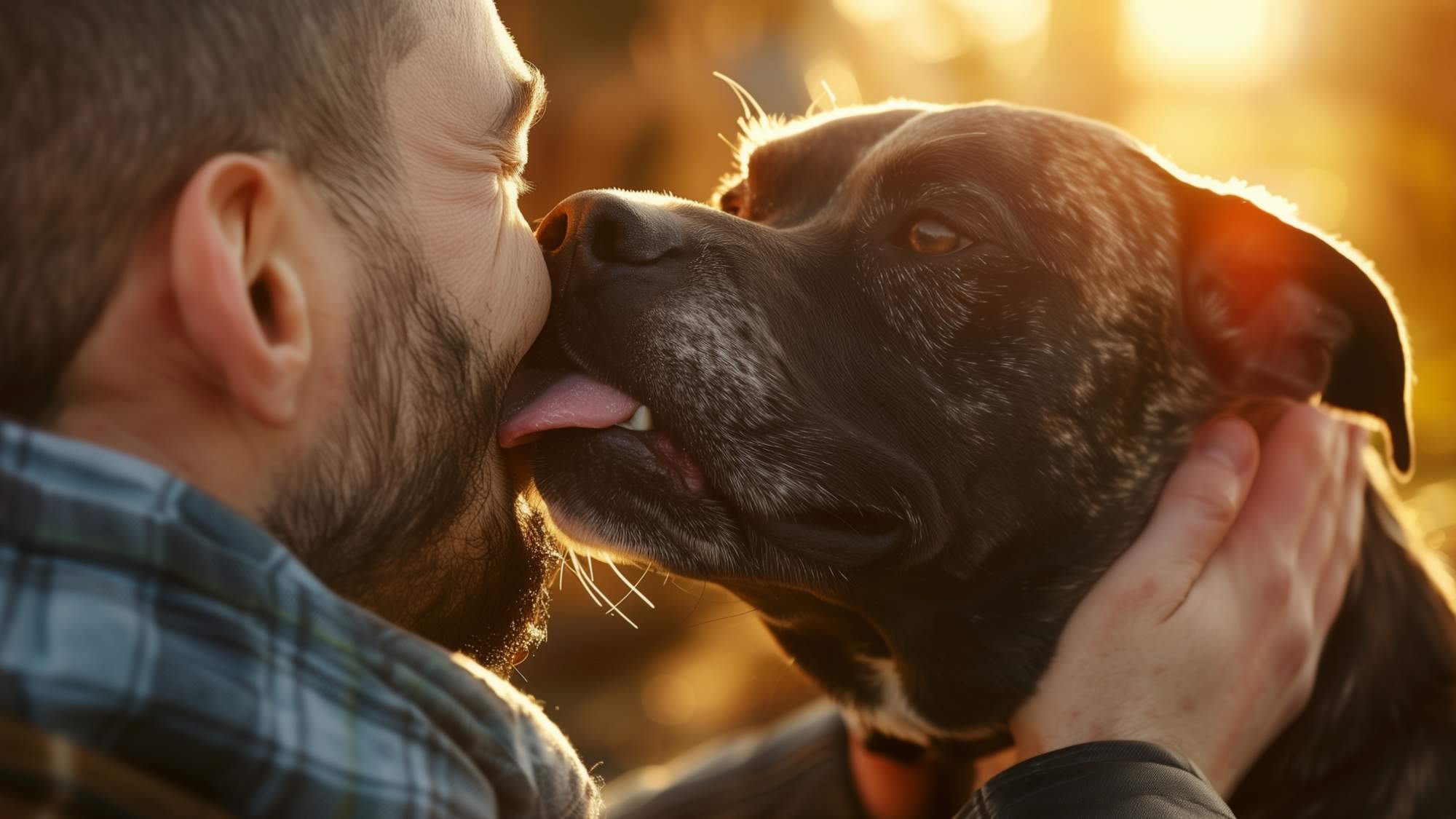
Your dog greets you by licking your face, hands, and arms. Every time you sit down, your dog starts licking. Sometimes it feels excessive.
Why do dogs lick so much? Is it affection? Anxiety? A health issue?
The truth: Licking is normal dog behavior with multiple meanings. Understanding why your dog licks helps you determine if it’s normal or if intervention is needed.
This guide explains all the reasons dogs lick humans, when licking becomes problematic, and how to manage excessive licking.
New puppy? Find a name that fits their personality.
Browse 600+ dog names by gender and personality type — playful, calm, bold, elegant, funny or mysterious.
Try Pet Name Finder9 Reasons Dogs Lick You
Reason 1: Showing Affection
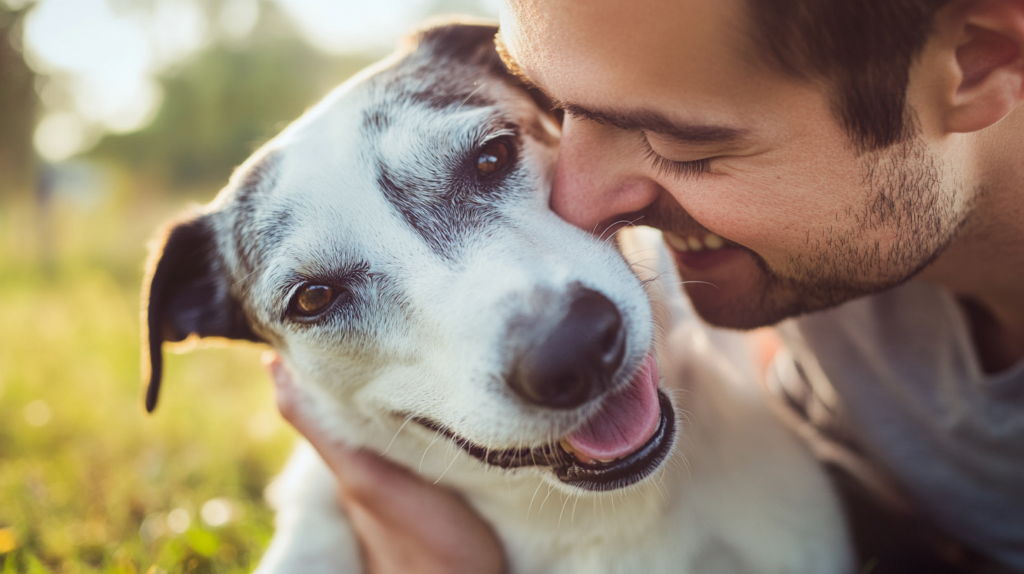
Most common reason dogs lick is expressing love.
Why dogs lick to show affection:
Puppies lick their mother’s face for attention and food. This behavior carries into adulthood as bonding gesture. Licking releases endorphins in dogs, making them feel good. When you respond positively, it reinforces the behavior.
This is normal and healthy. Short licking sessions during greetings or cuddle time indicate your dog loves you.

Reason 2: You Taste Good
Human skin has salt from sweat. Dogs find this taste appealing.
Why dogs lick for taste:
Saltiness is naturally attractive to dogs. Lotion, food residue, or other scents on skin interest dogs. After exercise, your sweat is especially salty and appealing.
This is normal. If licking happens after you’ve been sweating or cooking, taste is likely the reason.
Reason 3: Seeking Attention
Dogs quickly learn that licking gets your attention.
How the attention-seeking cycle works:
Dog licks you. You respond by talking to them, petting them, or pushing them away. Dog learns: licking = interaction. Even negative attention reinforces behavior.
If your dog licks you when they’re bored or want something, this is attention-seeking.
Reason 4: Communication and Submission
In dog language, licking communicates multiple messages.
Submissive behavior:
Dogs lick higher-ranking pack members to show respect. Your dog may lick your face or hands as acknowledgment of your leadership.
Appeasement:
If your dog senses you’re upset, they may lick to calm the situation. This is their way of saying “please don’t be angry.”
Greeting ritual:
Wild dogs lick returning pack members. Your dog licks you when you come home as natural greeting.
These are all normal social behaviors.
Reason 5: Exploring and Gathering Information
Dogs explore the world through taste and smell. Licking is information gathering.
What your dog learns from licking:
Where you’ve been based on scents. What you’ve eaten or touched. Your emotional state through pheromones in sweat. Health information; dogs can detect illness.
This is normal exploratory behavior, especially in puppies.
Reason 6: Stress, Anxiety, or Nervousness
Excessive licking can indicate emotional distress.
Stress-related licking patterns:
Repetitive, compulsive licking. Licking that doesn’t stop easily. Licking accompanied by other anxiety signs: panting, pacing, whining. Licking during stressful situations: thunderstorms, fireworks, strangers visiting.
This requires intervention. Anxiety-driven licking can escalate into obsessive compulsive disorder.
Reason 7: Medical Issues
Sometimes excessive licking indicates health problems.
Medical causes of increased licking:
Nausea or gastrointestinal upset. Dogs lick to soothe stomach discomfort. Dental pain or oral discomfort. Neurological issues. Cognitive dysfunction in senior dogs. Nutrient deficiencies.
If licking suddenly increases or your dog seems unwell, see your vet.
Reason 8: Obsessive Compulsive Disorder (OCD)
In severe cases, licking becomes compulsive disorder.
Signs of OCD licking:
Licking continues for extended periods without stopping. Dog seems unable to stop even when distracted. Licking interferes with normal activities: eating, playing, sleeping. May lick objects, floor, or themselves excessively. Often accompanied by other compulsive behaviors: tail chasing, pacing.
OCD requires professional help. Contact certified veterinary behaviorist.
Reason 9: Learned Behavior
Some dogs learn licking gets specific results.
How licking becomes learned behavior:
Puppy licks, owner laughs and plays with them. Dog learns: licking = fun attention. Behavior becomes habitual. Even if you later find it annoying, dog continues because it worked before.
This can be retrained with consistent response.

Normal Licking vs. Excessive Licking
Normal Licking
Characteristics:
Brief licking during greetings. Licking for 10-30 seconds then stopping. Licking your hands or face occasionally. Dog can be easily distracted from licking. Licking seems relaxed and happy.
Frequency: Few times per day during greetings and bonding moments.
Excessive Licking
Characteristics:
Constant licking whenever near you. Prolonged licking sessions lasting many minutes. Cannot be distracted or redirected. Licking seems anxious or compulsive. Licking you, themselves, objects, or floor obsessively. Interferes with normal activities.
If licking is excessive, intervention needed.
When to Worry
See your veterinarian if:
Sudden increase in licking behavior. Licking accompanied by other symptoms: vomiting, lethargy, loss of appetite. Dog licks one area of their own body obsessively, causing bald spots or sores. Licking seems compulsive and uncontrollable. Dog shows signs of pain or distress. Senior dog develops new excessive licking.
Rule out medical causes first before addressing behavioral issues.
How to Reduce Excessive Licking
Strategy 1: Ignore the Behavior
For attention-seeking licking, removing attention is most effective.
How to implement:
When dog starts licking, immediately stand up and walk away. No eye contact, no talking, no touching. Leave room if necessary. Wait 30 seconds to 1 minute. Return and interact normally. Repeat every time dog licks.
Why this works:
Dog learns licking = loss of attention, not gain of attention. Behavior decreases because it no longer achieves desired result.
Important: Must be consistent. If you sometimes give attention and sometimes ignore, licking will actually increase.

Strategy 2: Redirect to Appropriate Behavior
Give your dog alternative way to greet you.
How to train:
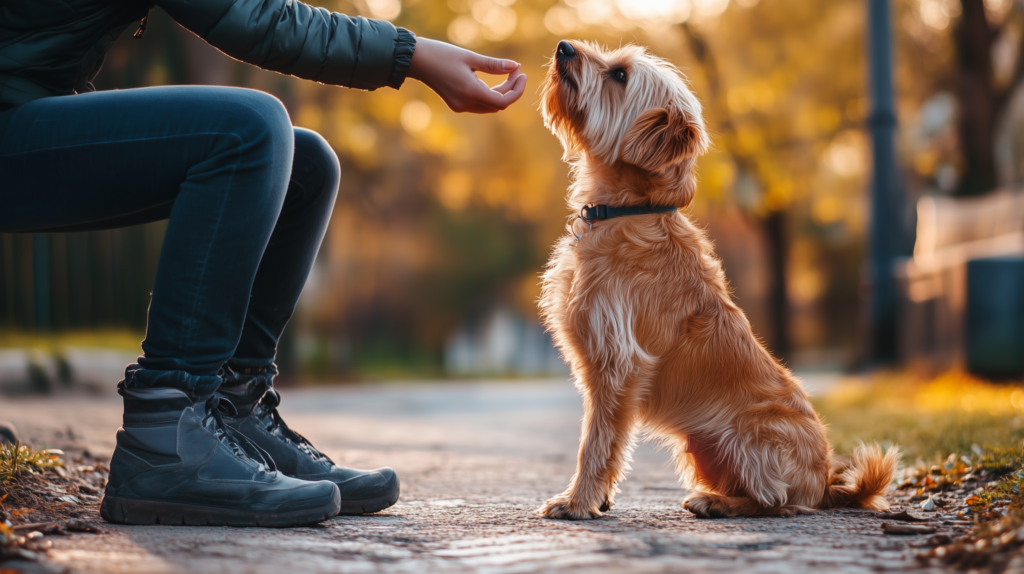
When dog approaches to lick, immediately ask for different behavior: sit, shake, or down. Reward the alternative behavior with attention and treats. Practice regularly.
Why this works:
Dog still gets attention and interaction but through acceptable behavior instead of licking.
Strategy 3: Exercise and Mental Stimulation
Boredom increases attention-seeking behaviors including licking.
Provide:
Two 30-minute walks daily minimum. Interactive play sessions with toys. Puzzle feeders and treat-dispensing toys. Training sessions teaching new tricks. Socialization with other dogs if dog-friendly.
Tired, stimulated dogs are less likely to engage in excessive licking.
Strategy 4: Teach “Enough” Command
Train your dog to stop licking on cue.
Training steps:
Allow dog to lick briefly. Say “enough” in calm, firm voice. Immediately stand up and withdraw attention. Wait 30 seconds. Sit back down. Repeat daily. When dog stops licking after you say “enough,” immediately reward with treat and praise.
With practice, dog will learn “enough” means stop licking.
Strategy 5: Manage Anxiety
If licking is anxiety-driven, address underlying stress.
Strategies:
Identify anxiety triggers and desensitize gradually. Provide safe space: crate or quiet room. Calming aids: Thundershirt, calming music, pheromone diffusers. Increase exercise; physical activity reduces anxiety. Consider anxiety medication if severe. Consult certified veterinary behaviorist.
Strategy 6: Provide Appropriate Licking Outlets
Some dogs have strong licking drive. Give acceptable alternatives.
Options:
Lick mats spread with peanut butter or yogurt. Frozen Kong toys. Long-lasting chews. Allow licking when YOU initiate it, not dog.
This satisfies urge to lick in controlled way.

What NOT to Do?
Don’t Punish
Never yell at, hit, or spray your dog for licking.
Why punishment fails:
Doesn’t teach what dog should do instead. Damages trust and bond. May increase anxiety, worsening licking. Can cause fear-based behavior problems.
Positive methods work better and protect your relationship.
Don’t Give Inconsistent Responses
Allowing licking sometimes but not others confuses your dog.
Be consistent:
Decide if licking is acceptable or not. If not acceptable, always remove attention when it happens. If acceptable in moderation, always allow brief licking then redirect.
Consistency is key to changing behavior.
Don’t Ignore Medical Causes
If licking seems obsessive or your dog seems unwell, don’t assume it’s just behavior.
Medical issues requiring vet attention:
Nausea, vomiting, or digestive upset. Pain or discomfort. Cognitive decline in senior dogs. Skin issues causing self-licking that transfers to licking you. Neurological problems.
Always rule out medical causes before treating as purely behavioral.
Breed Tendencies
Some breeds lick more than others.
Breeds known for frequent licking:
Labrador Retrievers: affectionate, mouthy breed. Golden Retrievers: loving, attention-seeking. Pit Bulls: velcro dogs who show affection through licking. Weimaraners: intense, affectionate. Any breed bred for human companionship tends to lick more.
If you have lick-prone breed, expect more licking as part of their personality.
Special Situations
Puppies
Puppies lick constantly as they explore world and bond with family.
Managing puppy licking:
Redirect to chew toys. Teach bite inhibition and gentle mouth. Don’t overreact; this encourages more licking. Provide appropriate outlets. Most puppies grow out of excessive licking with maturity.
Rescue Dogs
Dogs with unknown history may lick excessively due to:
Previous lack of socialization or affection. Anxiety from past trauma or neglect. Learned that licking gets positive attention.
Be patient with rescue dogs as they adjust to new home.
Senior Dogs
Sudden increase in licking in older dogs warrants vet visit.
Possible senior-related causes:
Cognitive dysfunction syndrome. Pain from arthritis or other age-related issues. Nausea from medication or health problems. Anxiety from declining senses.
Cultural and Individual Differences
Licking tolerance varies by owner.
Some people:
Love dog licks and see as affection. Allow face and hand licking freely. Encourage licking as bonding.
Others find licking:
Unhygienic or unpleasant. Want to minimize licking. Prefer other forms of affection.
Either preference is valid. Train your dog to match your comfort level.
Health Concerns About Dog Licking
Is Dog Saliva Clean?
Short answer: No.
Dog mouths contain bacteria that can cause infection in humans, especially in open wounds.
Bacteria in dog saliva:
Pasteurella. Capnocytophaga. Salmonella (if dog ate contaminated food).
Most healthy people tolerate dog licks without issue, but risk exists.
Who Should Avoid Dog Licks
High-risk individuals:
Immunocompromised people. Young infants. Elderly. People with open wounds. Those recovering from surgery.
These individuals should not allow dog licking, especially on face or wounds.
Safer Licking Practices
If allowing licking:
Redirect licking away from face and mouth. Don’t allow licking of open wounds or cuts. Wash hands after dog licks you. Keep dog’s dental health good; reduces harmful bacteria.

Common Questions
Q: Why does my dog lick my feet?
A: Feet have concentrated sweat with salty taste dogs like. Feet also carry interesting scents from where you’ve been.
Q: My dog licks the air when I pet them. Why?
A: Often sign of pleasure and contentment. Can also indicate mild stress or displacement behavior.
Q: Why does my dog lick me more at night?
A: Evening is quiet bonding time. Your dog may be seeking attention or comfort before sleep.
Q: Is it bad to let my dog lick my face?
A: Personal choice. Carries small infection risk, especially near mouth and eyes. Many people allow it without issue.
Q: My dog licks guests excessively. How do I stop this?
A: Train “sit” greeting. Have guests ignore dog until calm. Redirect licking to toy. Reward calm greetings without licking.
Q: Can licking be sign of dominance?
A: No. Modern dog training rejects dominance theory. Licking is usually affection, communication, or attention-seeking.
The Bottom Line
Dogs lick for many reasons: affection, taste, attention, communication, anxiety, or medical issues.
Normal licking:
Brief greeting licks. Occasional licking during bonding. Dog can be easily redirected. No signs of distress or compulsion.
Excessive licking requires intervention:
Constant, uncontrollable licking. Licking that interferes with normal activity. Signs of anxiety or distress. Sudden increase in licking.
Management strategies:
Ignore attention-seeking licking. Redirect to appropriate behaviors. Increase exercise and mental stimulation. Teach “enough” command. Address underlying anxiety. Consult vet if medical cause suspected.
Your dog’s licking is usually expression of love, but understanding the reason helps you respond appropriately and maintain happy, healthy relationship.
Does your dog lick you constantly? What strategy works for you? Share in the comments!
This article provides general guidance. Consult your veterinarian or certified dog behaviorist if your dog’s licking seems obsessive or is accompanied by other concerning symptoms.