Can Dogs Eat Carrots? Benefits, Risks & Safe Feeding Guide
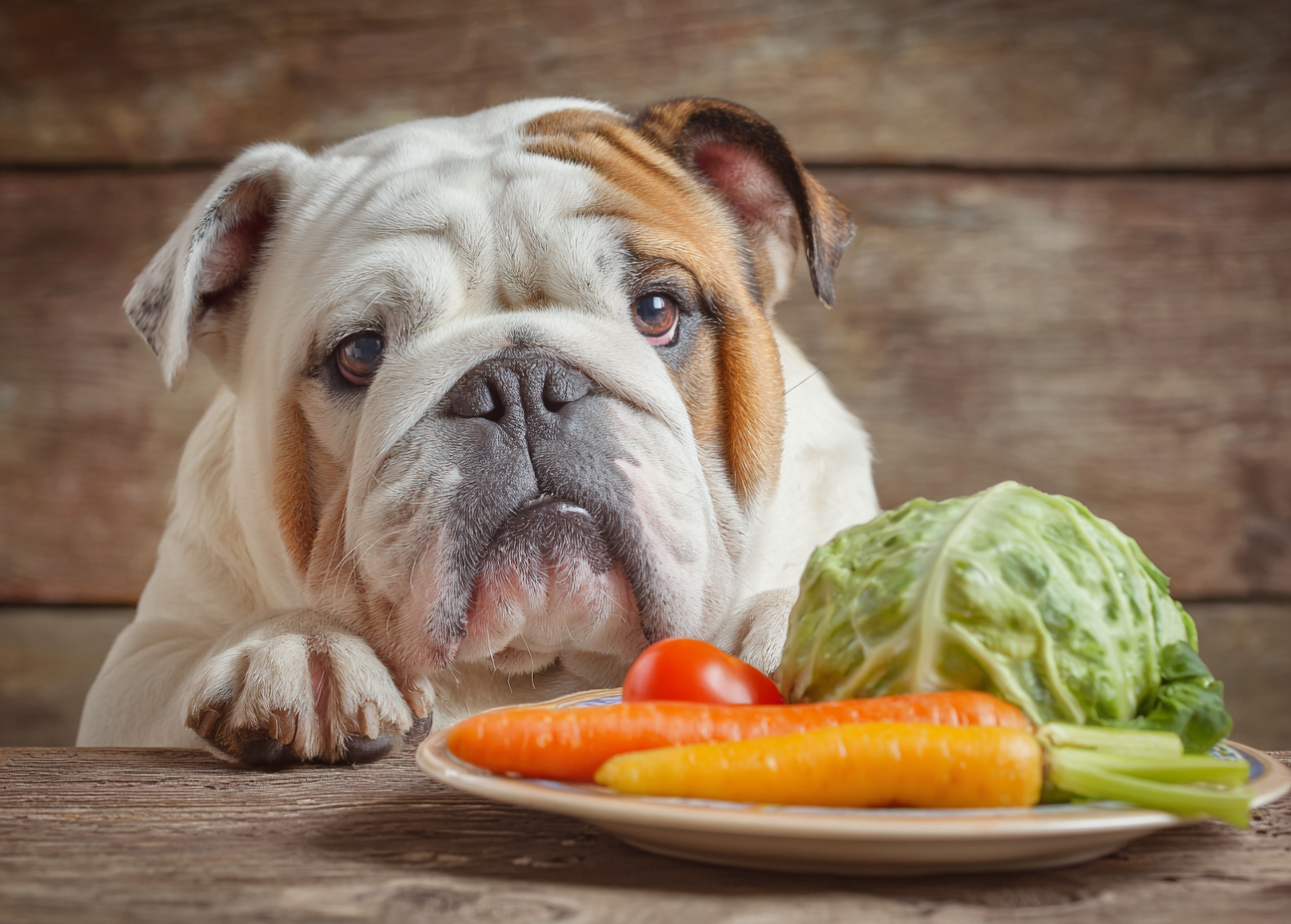
Your dog watches intently as you chop carrots for dinner. Those eager eyes ask: “Can I have some?”
Good news: Yes, dogs can eat carrots! Carrots are not only safe but offer excellent health benefits as low-calorie treats.
But there are right ways and wrong ways to feed carrots to your dog. Raw or cooked? Whole or chopped? How much is safe?
This complete guide covers everything about dogs and carrots: health benefits, preparation methods, serving sizes, and potential risks.
New puppy? Find a name that fits their personality.
Browse 600+ dog names by gender and personality type — playful, calm, bold, elegant, funny or mysterious.
Try Pet Name FinderCan Dogs Eat Carrots? The Quick Answer
YES, carrots are completely safe and healthy for dogs.
Carrots are non-toxic vegetables providing:
Low-calorie nutrition. Dental health benefits. Essential vitamins and fiber. Natural crunch dogs love. No harmful ingredients.
Both raw and cooked carrots are safe when prepared properly.
Health Benefits of Carrots for Dogs
Excellent Source of Beta-Carotene
Beta-carotene converts to vitamin A in the body.
Benefits:
Supports healthy vision. Maintains immune function. Promotes skin and coat health. Aids cell growth and development.
One medium carrot provides over 200% of daily vitamin A needs for average dog.
Low-Calorie Treat Perfect for Weight Management
Obesity affects over 50% of dogs.
Carrot advantages:
One baby carrot: Only 4 calories. Filling and satisfying. Sweet taste dogs enjoy. Excellent treat replacement.
Compare to commercial treats: One dog biscuit: 30-50 calories. 10 baby carrots: 40 calories.
Carrots help manage weight without deprivation.
Natural Dental Benefits
Crunching raw carrots provides teeth-cleaning action.
How carrots help:
Scraping action removes plaque. Stimulates gums. Increases saliva production. Freshens breath naturally.
Not replacement for brushing, but beneficial supplement.
High in Fiber for Digestive Health
Fiber supports healthy digestion.
Benefits:
Promotes regular bowel movements. Helps firm loose stools. Supports beneficial gut bacteria. Can aid mild constipation.
One medium carrot provides about 2 grams fiber.
Rich in Essential Vitamins
Vitamin K:
Supports blood clotting. Maintains bone health.
Vitamin C:
Boosts immune system. Acts as antioxidant.
Potassium:
Supports heart function. Aids muscle contraction.
Antioxidant Properties
Carrots contain multiple antioxidants.
Benefits:
Fight free radicals. Reduce inflammation. Support overall health. May reduce cancer risk.
Did your dog eat something dangerous? Find out right now.
Enter what they ate and their weight — get an instant toxicity assessment for 35+ substances.
Check Toxicity NowRaw vs. Cooked Carrots: What’s Better?
Both are safe. Choice depends on your goals.
Raw Carrots
Pros:
Maximum dental cleaning benefits. Full crunch dogs love. All nutrients preserved. No preparation needed. Natural teeth scraper.
Cons:
Harder to digest. Nutrients less bioavailable. Choking risk if pieces too large. Some dogs prefer softer texture.
Best for: Dogs with good teeth. Weight management. Dental health focus.
Cooked Carrots
Pros:
Easier to digest. Nutrients more bioavailable. Softer for senior dogs or those with dental issues. Can mix with food easier.
Cons:
Some vitamin C lost in cooking. No dental cleaning benefit. Loses satisfying crunch.
Best for: Senior dogs. Dogs with dental problems. Mixing into meals.
How to Cook Carrots for Dogs
Steaming (best method):
Preserves most nutrients. Softens without making mushy. 8-10 minutes until tender.
Boiling:
Quick and easy. Some nutrient loss to water. 15-20 minutes until soft.
Roasting:
Enhances natural sweetness. No oil or seasoning. 25-30 minutes at 400°F.
NEVER add:
Butter, oil, salt, garlic, onions, or any seasonings.
Plain carrots only.
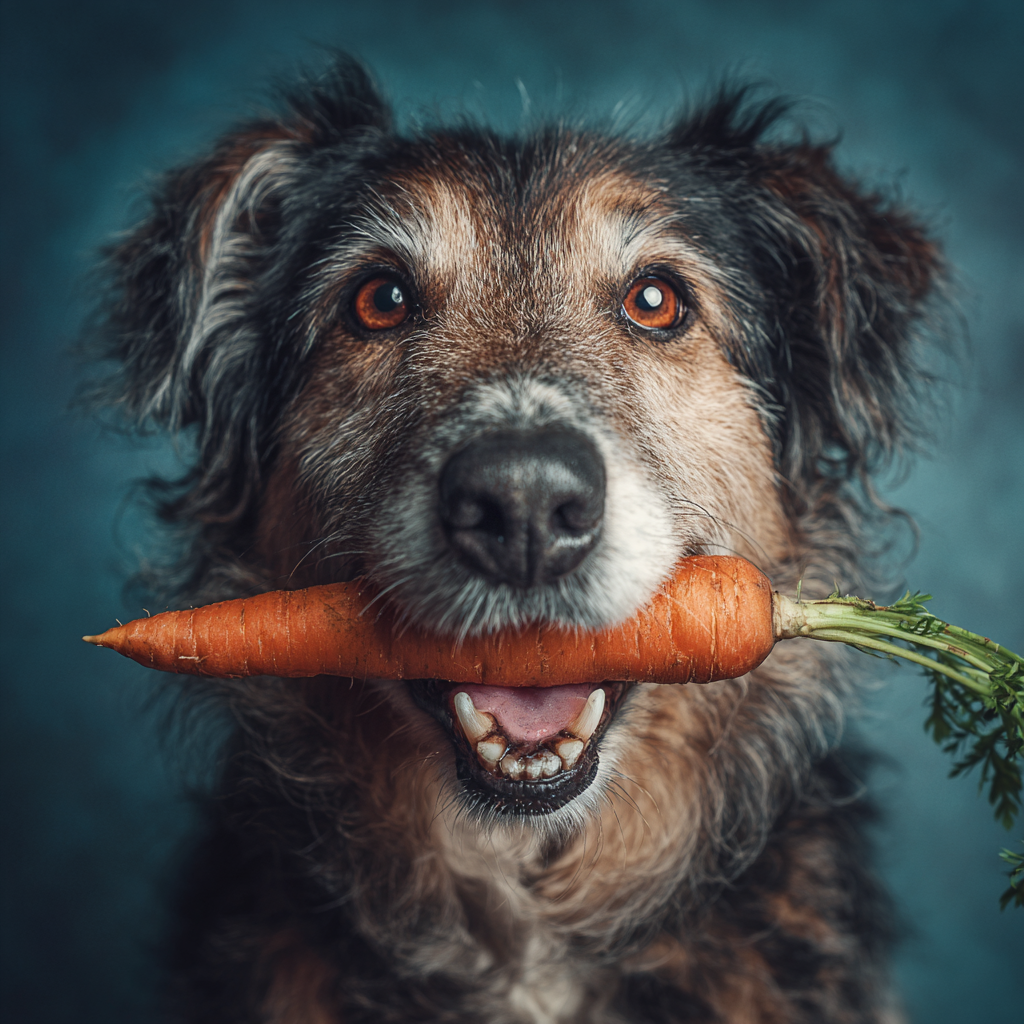
How Much Carrot Can Dogs Eat?
Carrots should be treats, not meal replacements.
Safe Serving Guidelines
Small dogs (under 20 lbs):
1-2 baby carrots per day. Or 2-3 thin slices of regular carrot.
Medium dogs (20-50 lbs):
2-3 baby carrots per day. Or half of regular carrot.
Large dogs (50+ lbs):
3-5 baby carrots per day. Or one regular carrot.
General rule: Treats (including carrots) should be maximum 10% of daily calories.
Frequency
Daily is fine in appropriate portions.
Unlike fruits with high sugar, carrots can be everyday treat.
Monitor your dog:
Watch for digestive changes. Adjust amount if needed. Every dog is individual.
How to Safely Prepare Carrots
Preparation Methods
Method 1: Baby Carrots (Easiest)
Wash thoroughly. Serve whole for large dogs. Cut in half for medium dogs. Chop into small pieces for small dogs.
Perfect grab-and-go treat.
Method 2: Regular Carrot Slices
Wash and peel if desired. Cut into coins or sticks. Size appropriate for your dog. Remove any leafy tops.
Method 3: Shredded Carrots
Grate carrots. Mix into regular food. Good for picky eaters. Adds nutrition to meals.
Method 4: Frozen Carrot Treats
Freeze whole baby carrots. Give as cooling summer treat. Provides longer chewing time. Soothes teething puppies.
Method 5: Carrot Puree
Steam until very soft. Blend until smooth. Mix with meals or stuff in Kong. Good for dogs with dental issues.
What NOT to Do
Don’t feed carrot peel/greens in large amounts:
Carrot tops safe in small amounts. Large quantities may cause upset stomach. Better to stick with carrot root.
Don’t add seasonings:
No salt, pepper, garlic, onions. No butter or oils. Plain only.
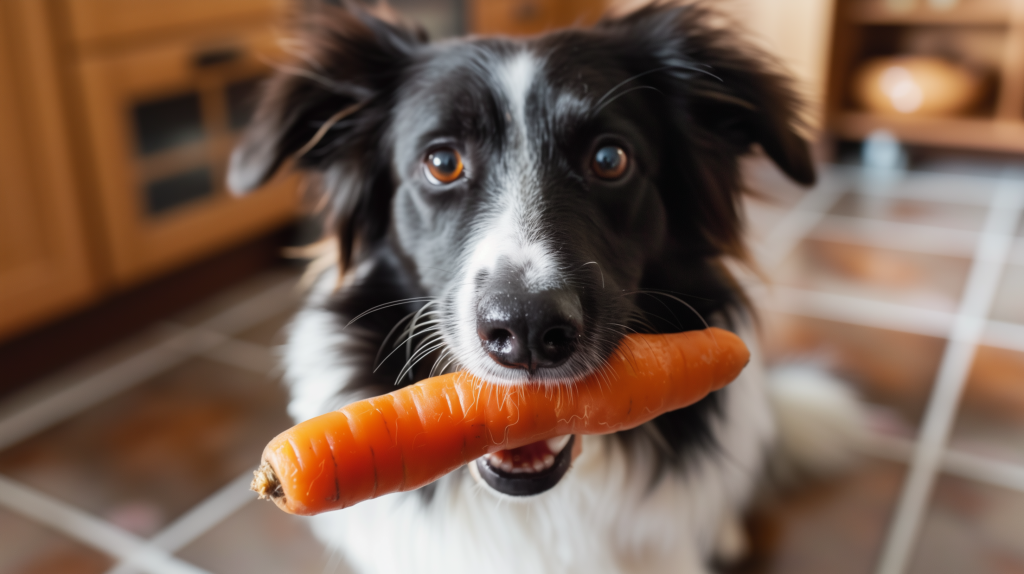
Don’t give whole carrots to small dogs:
Choking hazard. Always cut appropriately.
Potential Risks and Precautions
Choking Hazard
Whole carrots or large chunks pose choking risk.
Prevention:
Cut size-appropriate pieces. Supervise during eating. For small dogs, always chop. Remove from dog if they try swallowing whole.
Too Much Vitamin A
Excessive vitamin A causes toxicity.
Symptoms:
Bone malformations. Joint pain. Lethargy. Reduced appetite.
Reality: Carrot-caused vitamin A toxicity is extremely rare. Would require massive amounts daily for extended period. Proper portions pose no risk.
Digestive Upset
Too many carrots too quickly cause:
Diarrhea. Gas. Stomach discomfort.
Prevention:
Introduce gradually. Start with small amounts. Increase slowly over days.
Orange Poop or Skin
Excessive beta-carotene may cause:
Orange-tinted stool. Slight orange skin tint (very rare).
Not harmful, just aesthetic. Reduce carrot amount if bothers you.
Not Suitable for All Dogs
Dogs who should limit or avoid carrots:
Diabetic dogs: Carrots have natural sugars. Consult vet first. May be okay in small amounts.
Dogs with kidney stones: Some stones related to calcium oxalates. Carrots contain oxalates. Discuss with vet.
Dogs with known carrot allergy: Rare but possible. Watch for reactions.
Signs Your Dog Shouldn’t Eat Carrots
After first feeding, watch for:
Digestive issues:
Vomiting. Diarrhea. Excessive gas. Loss of appetite.
Allergic reaction (very rare):
Itching or hives. Facial swelling. Difficulty breathing (emergency!).
If these occur, discontinue carrots immediately and consult vet.
Special Considerations
Puppies
Puppies can eat carrots.
Benefits for puppies:
Frozen carrots soothe teething pain. Low-calorie training treats. Teaches healthy snacking habits.
Important: Cut very small pieces. No whole carrots. Monitor closely.
Senior Dogs
Carrots excellent for older dogs.
Benefits:
Low calorie for less-active lifestyle. Fiber helps senior digestion. Soft-cooked easy to chew. Vitamin A supports aging eyes.
Overweight Dogs
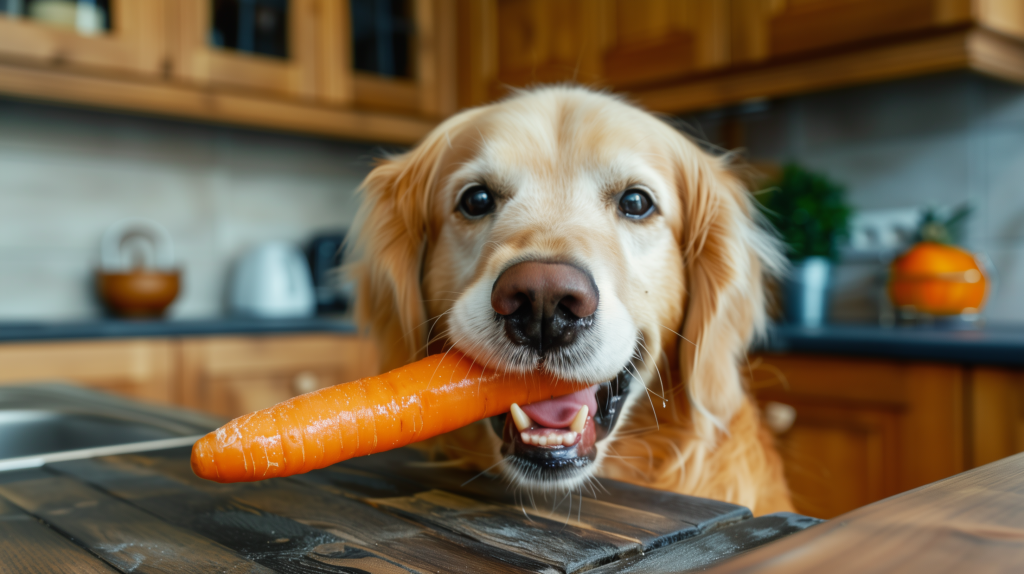
Carrots are perfect weight-loss treats.
Why carrots work:
Fill stomach without excess calories. Satisfy craving to chew. Provide sweetness without sugar spike. Replace high-calorie treats.
Weight loss strategy: Replace half of regular treats with carrots. Use as between-meal snacks.
Carrots as Training Treats
Small carrot pieces work excellently for training.
Advantages:
Healthy and low-calorie. No guilt over quantity. Crunchy texture keeps interest. Easy to carry in pocket. Affordable.
Preparation for training:
Cut into pea-sized pieces. Slightly larger for bigger dogs. Can mix with regular treats. Store in sealed bag or container.
Creative Carrot Recipes for Dogs
Frozen Carrot Pops
Ingredients:
Baby carrots. Low-sodium chicken or beef broth. Silicone molds or ice cube tray.
Instructions:
Place one baby carrot in each mold. Fill with broth. Freeze 3-4 hours. Pop out and serve.
Perfect summer treat!
Carrot and Apple Dog Biscuits
Ingredients:
1 cup grated carrots. 1/2 cup unsweetened applesauce. 1 egg. 2 cups whole wheat flour.
Instructions:
Mix all ingredients. Roll out dough. Cut into shapes. Bake 350°F for 25-30 minutes. Cool completely before serving.
Store in airtight container up to one week.
Carrot Puree for Picky Eaters
Ingredients:
3-4 carrots. Water for steaming.
Instructions:
Steam carrots until very soft. Blend until smooth. Mix 1-2 tablespoons into regular food.
Increases vegetable intake for picky dogs.
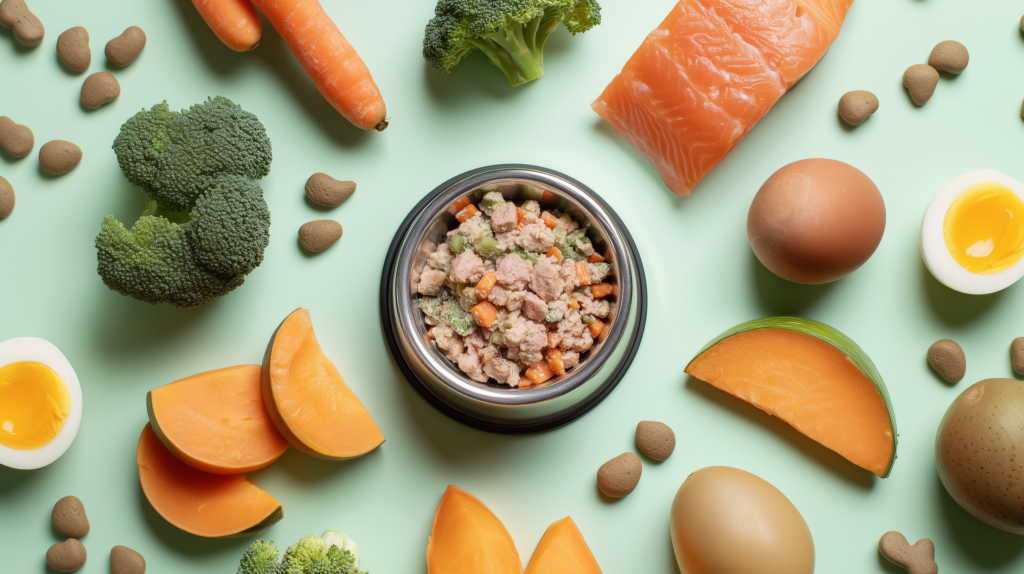
Carrots vs. Other Vegetables for Dogs
Vegetable | Safe? | Notes
Carrots: Yes | Low calorie, high nutrition
Sweet Potatoes: Yes | Higher calories, cook before feeding
Broccoli: Yes (limited) | Can cause gas, small amounts only
Green Beans: Yes | Another excellent low-calorie treat
Celery: Yes | Crunchy, freshens breath
Peas: Yes | Good protein source
Cucumbers: Yes | Hydrating, very low calorie
Onions/Garlic: NO | Toxic to dogs
Corn: Limited | High calorie, difficult to digest
Common Questions
Q: Can dogs eat carrot tops/greens?
A: Small amounts are safe. Large quantities may cause stomach upset. Carrot root is safer choice.
Q: Are canned carrots safe?
A: Only if plain with no added salt or preservatives. Fresh or frozen is better. Check ingredients carefully.
Q: Can dogs eat carrot cake?
A: No. Contains sugar, butter, spices, and sometimes toxic ingredients like raisins or macadamia nuts. Plain carrots only.
Q: How many carrots are too many?
A: Follow serving guidelines based on dog’s size. If stool becomes orange or loose, reduce amount.
Q: Can carrots replace dog food?
A: Absolutely not. Carrots lack complete nutrition dogs need. Use as supplement/treat only.
Q: Do carrots help dog’s eyesight?
A: Vitamin A supports healthy vision. Won’t improve vision beyond normal. Prevention, not cure.
Q: Can puppies have frozen carrots for teething?
A: Yes! Frozen carrots soothe sore gums. Supervise to prevent choking. Can cut in half for smaller puppies.
The Bottom Line
Carrots are safe, healthy treats for dogs offering multiple benefits.
Key takeaways:
Carrots provide vitamins, fiber, and dental benefits. Both raw and cooked carrots are safe. Appropriate portions: Small dogs: 1-2 baby carrots. Medium dogs: 2-3 baby carrots. Large dogs: 3-5 baby carrots. Cut size-appropriate pieces to prevent choking. Introduce gradually to avoid digestive upset. Can be fed daily in proper amounts. Excellent low-calorie treat for weight management.
Carrots make perfect training treats, between-meal snacks, and dental health supplements.
When prepared properly and fed in moderation, carrots are nutritious addition to your dog’s treat rotation.
Does your dog love carrots? How do you serve them? Share your carrot recipes in the comments!
This article provides general guidance. If your dog has diabetes, kidney disease, or other health conditions, consult your veterinarian before introducing new foods.