
Freeze-Dried Dog Food: Is It Worth It? Benefits, Risks & How to Choose (2026)
- Quick Answer: Freeze-dried dog food is a minimally processed option made by removing moisture from raw ingredients through a vacuum process – preserving nutrients without cooking. It offers better nutrient retention than kibble, longer shelf life than fresh food, and convenience over traditional raw feeding. It is worth it for many dogs, but it comes with a higher price tag and requires careful handling due to raw pathogen risks. Whether it is right for your dog depends on your budget, your dog’s health needs, and how committed you are to safe food handling.
- Expert Source: Nutritional information in this article is based on guidance from the Association of American Feed Control Officials (AAFCO), feeding recommendations from board-certified veterinary nutritionist Dr. Lisa Weeth, safety protocols outlined by the FDA’s Center for Veterinary Medicine, and market data from the 2026 Dog Food Advisor freeze-dried review panel led by expert animal nutritionist Laura Ward.
- Last Updated: April 2026
You have probably noticed freeze-dried dog food appearing more and more – in pet stores, in your social media feed, in conversations with other dog owners. The packaging is sleek, the ingredients list reads like a farmers market, and the price tag makes you pause.
The question most dog owners eventually ask is simple: is it actually worth it, or is it premium marketing attached to a premium price?
This guide cuts through the noise. We looked at how freeze-dried food is actually made, what the research says about its benefits and risks, how it compares to other food types, and what to look for when choosing a product.
What Is Freeze-Dried Dog Food, Exactly?
Freeze-dried dog food starts with raw ingredients – meat, organs, bone, and often fruit and vegetables. Those ingredients are frozen solid, then placed inside a vacuum chamber. Under vacuum conditions, the ice crystals convert directly to vapor without passing through a liquid stage – a process called sublimation. The result is a dry, lightweight product that has had 98-99% of its moisture removed while remaining technically raw.
This is fundamentally different from kibble, which uses high-heat extrusion that can degrade heat-sensitive nutrients and enzymes. It is also different from dehydrated food, which uses low heat over a long period – a gentler process than kibble, but still applying heat. Freeze-drying is the only mainstream preservation method that removes moisture without applying any significant heat at all.
The finished product looks like small patties, nuggets, or crumbles. Some products are designed to be fed dry. Most benefit from rehydration with water before serving, which restores texture and palatability.

How Freeze-Dried Food Is Made vs. Other Dog Food Types
Understanding the process helps explain why freeze-dried food behaves the way it does — and why it costs what it costs.
| Type | Process | Heat Used | Shelf Life | Nutrients |
|---|---|---|---|---|
| Kibble | High-heat extrusion | Yes – high | 12-18 months | Some degradation |
| Canned | Cooked and sealed | Yes – high | 2-5 years | Some degradation |
| Dehydrated | Low-heat air drying | Yes – low | 1-2 years | Moderate retention |
| Freeze-dried | Vacuum sublimation | No | 1-2 years | High retention |
| Fresh/raw frozen | Minimal processing | No | Weeks-months | Highest |
The freeze-drying process is expensive and slow – it requires specialized industrial equipment and takes significantly longer than heat-based methods. This cost is directly reflected in the retail price.
The Real Benefits of Freeze-Dried Dog Food
1. Nutrient Retention Is Genuinely Better
Because no heat is applied, freeze-dried food retains heat-sensitive nutrients that are partially or fully destroyed during kibble production. This includes certain vitamins, enzymes, and proteins that maintain their natural structure.
Vitamin E, for instance, degrades significantly during high-heat extrusion. Digestive enzymes present in raw meat are preserved in freeze-dried food. Amino acid profiles are maintained more closely to their natural state.
This does not mean kibble is nutritionally inadequate – manufacturers compensate by adding back nutrients after processing. But freeze-dried food retains them naturally, without synthetic supplementation.
2. Palatability Is Exceptionally High
Dogs that are finicky eaters, recovering from illness, or simply accustomed to highly palatable food often respond strongly to freeze-dried food. The concentrated meat flavors and textures are closer to what dogs instinctively find appealing. For owners of senior dogs who have lost appetite, or dogs who consistently refuse kibble, freeze-dried food is often one of the most effective options.
3. Shelf Stable Without Refrigeration
Unlike fresh or frozen raw food, freeze-dried food does not require refrigeration until it is opened and rehydrated. A sealed bag can typically be stored at room temperature for one to two years. This makes it practical for travel, emergency preparedness, and households without the freezer space for frozen raw food.
4. Lower Contamination Risk Than Frozen Raw
Frozen raw food must be stored, thawed, and handled carefully to prevent bacterial cross-contamination. Freeze-dried food, while still technically raw and still requiring careful handling, has a significantly lower moisture level that limits bacterial growth during storage. The freeze-drying process itself also reduces – though does not eliminate – pathogen load.
5. Practical Gateway to Raw Feeding
Many owners who are interested in raw feeding but find the logistics of frozen raw too demanding use freeze-dried food as a practical alternative. It offers the nutritional principles of raw feeding – unprocessed ingredients, no synthetic preservatives, minimal heat treatment – in a format that is easier to portion, store, and travel with.
The Real Risks and Limitations
Being honest about risks is as important as listing benefits.
1. Pathogen Risk Is Real
Freeze-dried food is a raw product. It can carry bacteria including Salmonella and Listeria. The FDA has issued recalls of freeze-dried pet food due to pathogen contamination on multiple occasions. The freeze-drying process reduces bacterial load but does not sterilize the product.
This is especially relevant if your household includes:
- Immunocompromised individuals
- Infants or young children
- Elderly people
- Pregnant women
- Dogs who are immunosuppressed, very young, or very old
If any of these apply to your household, discuss freeze-dried feeding carefully with both your veterinarian and your physician before proceeding.
2. Cost Is Significantly Higher
Freeze-dried dog food is expensive – often 3-5 times the cost of premium kibble per daily serving. For a 30-pound dog, feeding a complete freeze-dried diet can cost $100-200 or more per month depending on the brand and formula chosen. This is a genuine barrier for many owners and is worth calculating honestly before committing.
Many owners use freeze-dried food as a topper or supplement rather than a complete diet – mixing a small amount with kibble – which significantly reduces cost while still providing some of the palatability and nutritional benefits.
3. Not All Products Are Nutritionally Complete
Some freeze-dried products are formulated as complete and balanced meals – they meet AAFCO nutritional standards for your dog’s life stage. Others are designed as toppers, treats, or meal mixers – they are not nutritionally complete on their own and should not be fed as a sole diet.
This distinction matters enormously. Feeding an incomplete product as a primary diet over time leads to nutritional deficiencies. Always check for an AAFCO nutritional adequacy statement on the label before using any product as a complete meal.
4. Calorie Density Can Lead to Overfeeding
Freeze-dried foods are calorie-dense. Feeding by volume – scooping what looks like a normal portion – without accounting for the calorie content can easily lead to overfeeding and weight gain. Always follow the manufacturer’s feeding guidelines by weight and adjust based on your dog’s body condition score.
Freeze-Dried vs. Raw vs. Kibble: Which Is Best?
There is no single correct answer because it depends on your dog, your household, and your priorities.
Choose freeze-dried if:
- You want closer-to-raw nutrition without freezer management
- Your dog is finicky or has low appetite
- You need a shelf-stable option for travel
- You want to supplement kibble with higher-quality toppers
- Budget allows for premium food
Choose frozen raw if:
- You are committed to raw feeding and have freezer space
- You want the least-processed option available
- Budget allows and you are comfortable with raw food handling
Choose kibble if:
- Budget is a primary concern
- Convenience and simplicity are priorities
- Your dog is healthy and thriving on their current diet
- Your household includes immunocompromised individuals
Choose canned/wet if:
- Hydration is a concern (older dogs, kidney issues)
- Your dog needs higher palatability
- You want a middle ground between processed and fresh
The honest answer is that a high-quality product in any category, fed in appropriate quantities to a healthy dog, can support good health. The category matters less than the specific product quality, nutritional completeness, and how well it suits your individual dog.
How to Choose a Freeze-Dried Dog Food: 5 Things to Check
1. AAFCO Nutritional Adequacy Statement
Look for this statement on the label: “formulated to meet the nutritional levels established by the AAFCO Dog Food Nutrient Profiles for [life stage].”
If this statement is absent, the product is not complete and balanced. It may still be valuable as a topper or treat, but it cannot serve as your dog’s sole food source.
2. Named Protein Source as First Ingredient
The first ingredient should be a specific named protein – “beef,” “chicken,” “lamb,” “turkey” – not a generic term like “meat” or “animal protein.” Named proteins offer better traceability and generally better quality control.
3. No Artificial Preservatives or Colors
Freeze-drying preserves food without chemical preservatives. Any freeze-dried product containing artificial preservatives like BHA, BHT, or ethoxyquin is using preservation methods that contradict the product’s core value proposition. Avoid these.
4. Country of Origin
Products manufactured and sourced in the USA, Canada, Australia, or New Zealand generally operate under stricter quality and safety regulations. Country of origin for both manufacturing and ingredients should be clearly stated.
5. Transparent Brand with Testing Information
Reputable freeze-dried brands publish information about their quality testing, pathogen control protocols, and sourcing standards. Brands that are vague about these details or that have a history of recalls without clear corrective action should be treated with caution.
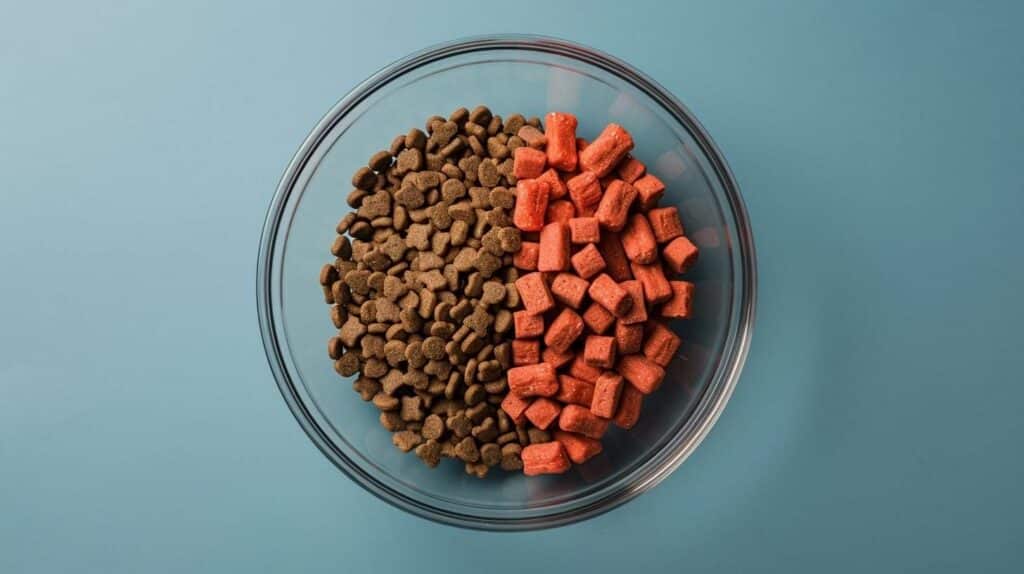
How to Transition Your Dog to Freeze-Dried Food
Switching food too quickly causes digestive upset in most dogs regardless of food quality. A gradual transition over 8-10 days is recommended.
Start by replacing 20% of your dog’s current food with freeze-dried food, mixed together. Every two days, increase the freeze-dried proportion and decrease the original food. By day 8-10, you should be at 100% freeze-dried.
Monitor for loose stool, vomiting, or changes in appetite during the transition. Some digestive adjustment is normal in the first few days. Persistent digestive upset beyond the first week warrants a slower transition or a conversation with your vet.
If rehydrating the food, use cool or room-temperature water – never hot. Allow the food to absorb the water for one to two minutes before serving. Rehydrated food should not sit in the bowl for more than two hours before discarding.
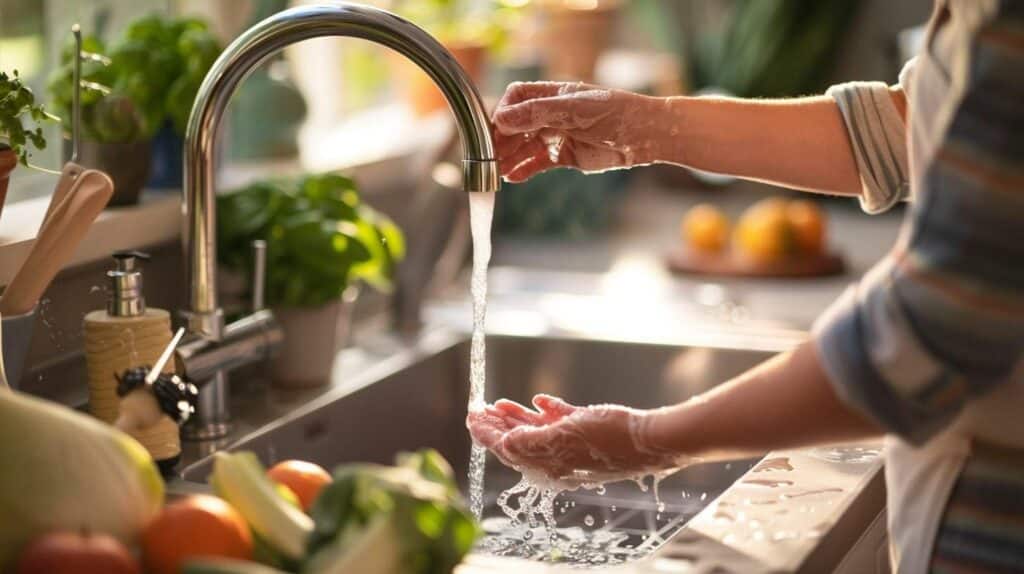
Safe Handling Practices
Because freeze-dried food is a raw product, standard raw food hygiene practices apply:
- Wash hands thoroughly before and after handling
- Use dedicated bowls for your dog – wash them after every meal
- Do not allow rehydrated food to sit at room temperature for more than two hours
- Store opened bags in a cool, dry location – some brands recommend refrigeration after opening
- Clean and disinfect any surfaces that contact the food
- Keep the food away from areas where human food is prepared
Frequently Asked Questions About Freeze-Dried Dog Food
Getting Started
Is freeze-dried dog food actually raw? Yes – technically. The freeze-drying process removes moisture but does not apply heat, so the ingredients remain in their raw state. This means freeze-dried food carries the same pathogen considerations as other raw pet foods. It also means it retains the nutritional profile of raw ingredients more completely than heat-processed alternatives.
Can I feed freeze-dried food as my dog’s only food? Only if the product is labelled as complete and balanced with an AAFCO nutritional adequacy statement for your dog’s life stage. Many freeze-dried products are designed as toppers or treats rather than complete meals. Check the label carefully – feeding an incomplete product as a sole diet long-term causes nutritional deficiencies.
How does freeze-dried food compare to dehydrated food? Both are moisture-removed, shelf-stable formats – but the process differs. Dehydration uses low heat over extended periods. Freeze-drying uses no heat at all. Freeze-dried food retains more heat-sensitive nutrients and maintains a more raw-like nutritional profile. Dehydrated food is generally less expensive but applies some heat during processing.
Is freeze-dried food good for puppies? Some freeze-dried products are formulated for puppies and are labelled accordingly. Puppies have significantly different nutritional requirements from adult dogs – particularly for calcium and phosphorus ratios that support bone development. Only use freeze-dried food for puppies if it carries an AAFCO statement specifically for “growth” or “all life stages.” Do not feed adult-formula freeze-dried food to puppies.
Cost and Practicality
Can I use freeze-dried food as a topper instead of a complete meal? Yes – and this is one of the most practical and cost-effective ways to incorporate freeze-dried food. Adding a small amount of freeze-dried food to your dog’s regular kibble significantly increases palatability, adds variety, and contributes some of the nutritional benefits without the full cost of a complete freeze-dried diet. The 10% rule applies – treats and extras including toppers should not exceed 10% of daily caloric intake.
Why is freeze-dried dog food so expensive? The freeze-drying process requires specialized vacuum equipment, is significantly slower than heat-based methods, and starts with higher-quality raw ingredients than most kibble. The combination of premium raw inputs and an expensive preservation process accounts for the higher retail price. There is no simple way around this – if you are seeing freeze-dried dog food priced similarly to kibble, examine the ingredient quality and AAFCO status carefully.
Does freeze-dried food need to be refrigerated? Unopened, no – freeze-dried food is shelf stable at room temperature. Once opened, most manufacturers recommend storing in a cool, dry place and some recommend refrigeration after opening, particularly in warmer climates. Always check the specific storage instructions on the product you are using. Rehydrated food left in the bowl must be discarded after two hours.
The Bottom Line
Freeze-dried dog food is not a gimmick. The technology genuinely preserves nutrients more effectively than heat-based processing, the ingredients are typically higher quality than standard kibble, and the palatability is real – dogs consistently find it more appealing than most alternatives.
Whether it is worth the cost depends on your priorities. If your dog is a healthy, enthusiastic eater and your current food is working well, the upgrade may not be necessary. If your dog is finicky, aging, recovering, or if you are looking to move toward a less-processed diet without the complexity of frozen raw, freeze-dried food is one of the most practical options available.
The most important things to verify before buying: that the product carries an AAFCO complete and balanced statement for your dog’s life stage, that it lists a named protein as the first ingredient, and that the brand has a clear quality testing history. Get those three things right, and freeze-dried food is a genuinely strong choice.
This article is for informational purposes only and does not replace advice from a qualified veterinarian or veterinary nutritionist. If your dog has a health condition, food allergy, or specific dietary requirement, consult your vet before changing their diet.