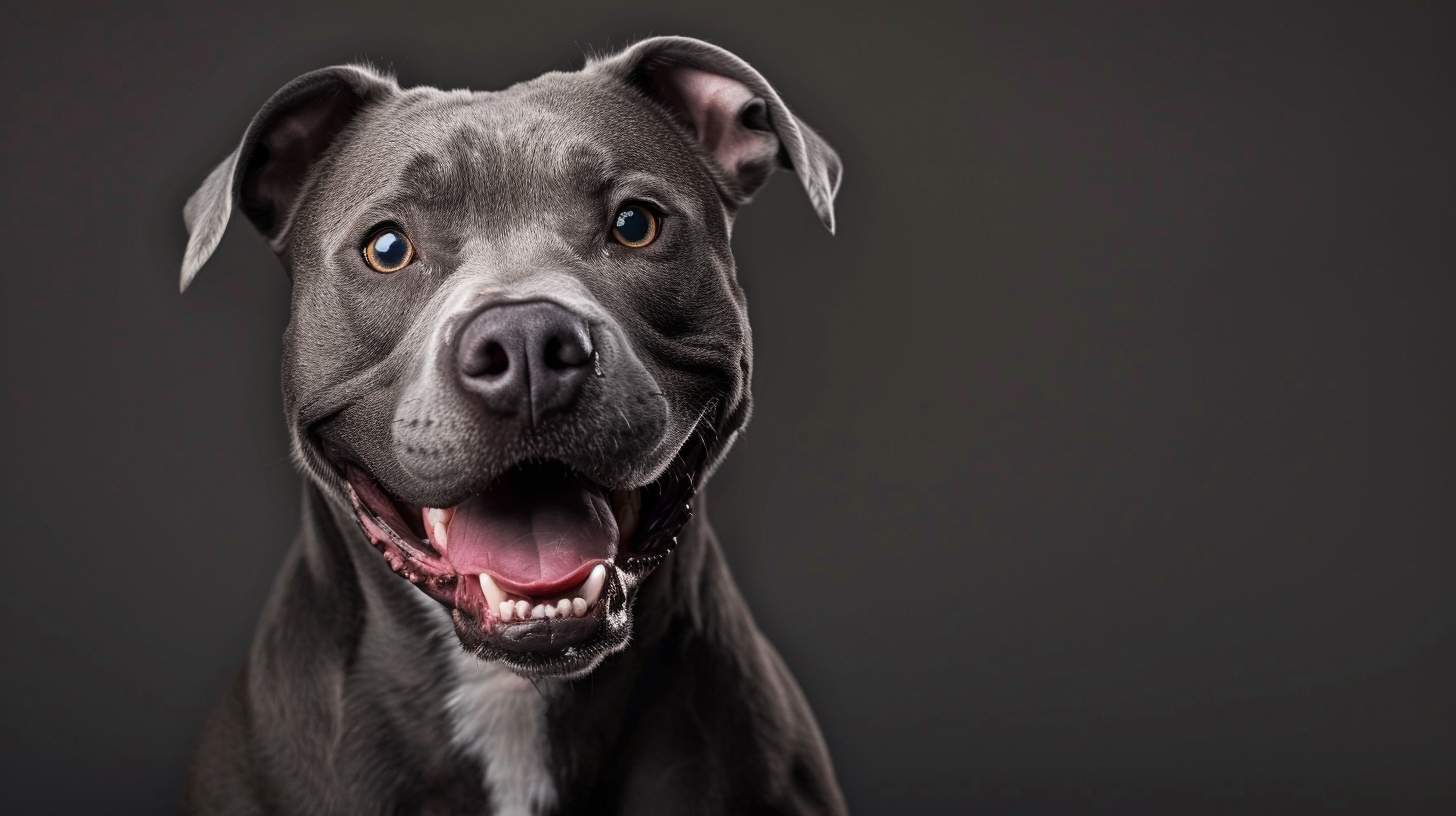
Pitbull: Complete Breed Guide – Temperament, Care, Health & More (2026)
- 🐕 QUICK ANSWER: PITBULL BREED GUIDE
- ✅ “Pitbull” is not a single breed – it is a collective term covering 4-5 distinct breeds that share common ancestry and physical characteristics
- ✅ Well-bred, properly socialized Pitbull-type dogs are affectionate, loyal, and highly trainable – they consistently score above average in temperament testing
- ✅ The American Temperament Test Society (ATTS) rates American Pit Bull Terriers with an 87% pass rate – higher than Golden Retrievers and Beagles
- ✅ Pitbull-type dogs are among the most popular dogs in the United States – an estimated 20% of all dogs in American shelters are Pitbull-type
- ✅ Medium-sized: 30-65 lbs depending on type – muscular, athletic, and built for strength and agility
- ⚠️ Breed-specific legislation (BSL) restricts or bans Pitbull-type dogs in hundreds of cities, counties, and countries worldwide – verify local law before acquiring
- ⚠️ Dog-to-dog aggression is elevated in some lines – same-sex dog aggression is a documented trait requiring management
- ⚠️ High prey drive toward small animals is common – cats and small dogs require careful management
- ⚠️ Media and public perception of this breed group creates real challenges in housing, insurance, and public settings that owners must prepare to navigate
- ❌ Do NOT acquire a Pitbull-type dog without first verifying your local breed-specific legislation – housing leases, homeowner’s insurance, and local ordinances may prohibit ownership
- ❌ Do NOT use harsh, punitive training methods – they create fear-based aggression in a breed with the physical capacity to cause serious harm
- This article draws on temperament research from the American Temperament Test Society (ATTS), breed standards from the United Kennel Club (UKC) and the American Kennel Club (AKC), health research from the American Pit Bull Terrier breed health registries, and clinical guidance from veterinary behaviorists and dermatologists with expertise in bully breed health.
- Last Updated: May 2026
What Is a “Pitbull”? Understanding the Terminology
The word “pitbull” is one of the most misused and misunderstood terms in the dog world. Indeed, it is not a breed name – no kennel club in the world recognizes a breed called simply “pitbull.” Instead, it is a colloquial umbrella term that people apply inconsistently to several distinct breeds and their crosses.
The confusion has real consequences. Breed-specific legislation that lawmakers write around the word “pitbull” is notoriously difficult to enforce because even animal control professionals and veterinarians frequently misidentify breeds. As a result, studies show that visual breed identification is inaccurate the majority of the time, even among experts. A dog that a shelter labels “pitbull” may be a purebred American Staffordshire Terrier, an American Pit Bull Terrier, an American Bully, a Staffordshire Bull Terrier, a Bull Terrier, or any number of mixed-breed dogs with blocky heads and muscular builds.
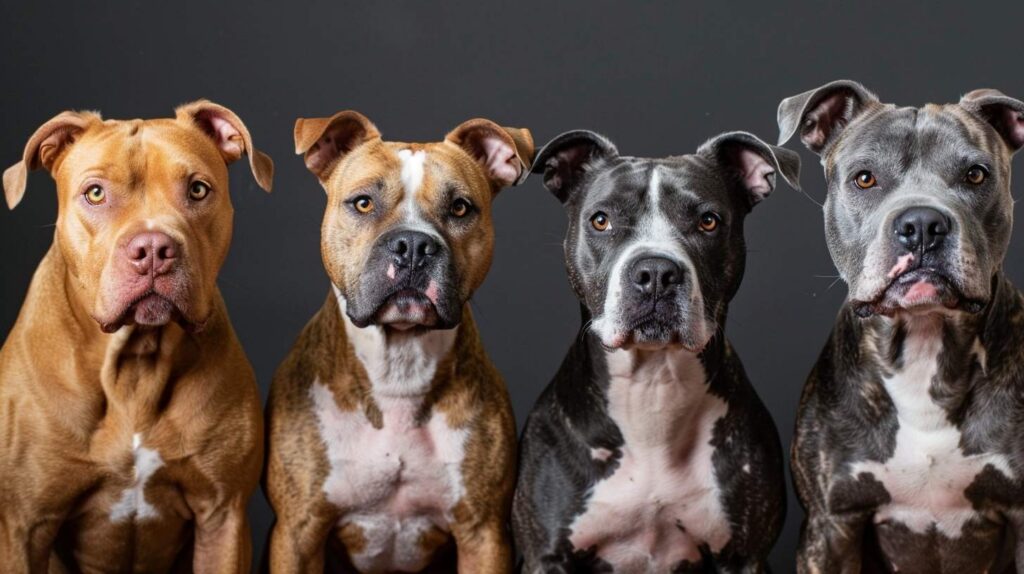
The Breeds Commonly Called “Pitbull”
| Breed | Recognizing Body | Origin | Size | Notes |
|---|---|---|---|---|
| American Pit Bull Terrier (APBT) | UKC, ADBA | USA – from English Bull and Terrier | 30-60 lbs | The original “pit bull” breed |
| American Staffordshire Terrier | AKC | USA – from Staffordshire Bull Terrier | 40-70 lbs | AKC show line – calmer than APBT |
| Staffordshire Bull Terrier | AKC, KC | England | 24-38 lbs | Smaller, known for child affinity |
| American Bully | AKC (2024) | USA – APBT x various | 30-130 lbs (4 sizes) | Newest recognized – broader build |
| Bull Terrier | AKC | England | 35-75 lbs | Egg-shaped head – distinct appearance |
For this guide, “Pitbull-type dogs” refers primarily to the American Pit Bull Terrier and American Staffordshire Terrier, as these are the breeds that the public and legislation most commonly label “pitbull.”
History: From Working Dog to Misunderstood Icon
The Origin Story
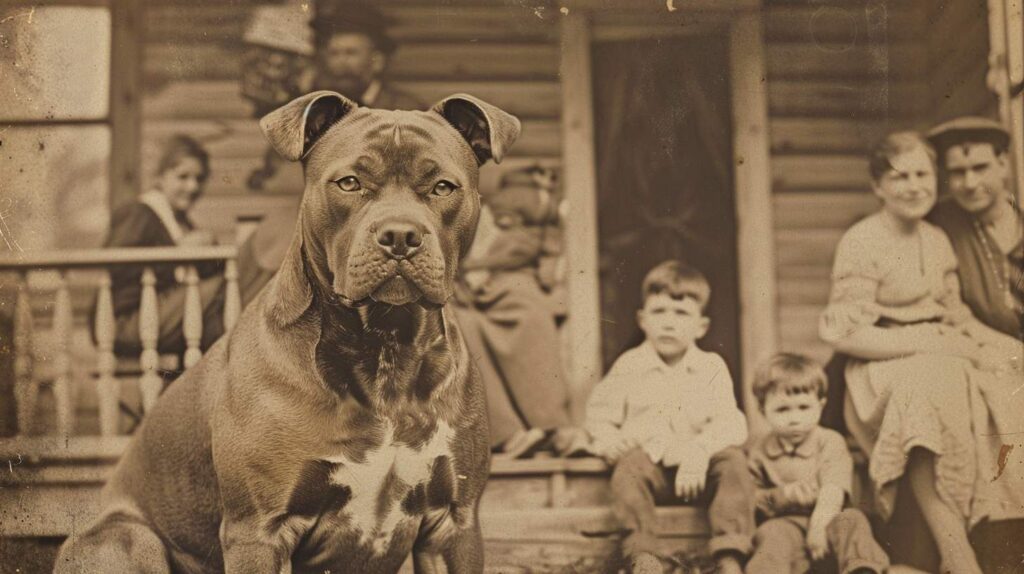
Historically, the history of Pitbull-type dogs begins in early 19th-century England, where breeders crossed the Old English Bulldog with various terrier breeds to produce dogs combining the Bulldog’s strength and tenacity with the terrier’s speed, agility, and gameness. The resulting “Bull and Terrier” type initially served in blood sports, which were legal in England until the Cruelty to Animals Act of 1835 banned them.
When English and Irish immigrants brought these dogs to the United States in the mid-19th century, the breeds found important new roles. American frontier families valued them as farm dogs, hunting companions, and family guardians. Consequently, breeders developed the American Pit Bull Terrier from this immigrant stock, and the breed soon gained a reputation as a versatile working dog and devoted family companion.
From American Icon to Misunderstood Breed
In the early 20th century, Pitbull-type dogs appeared frequently in American popular culture as symbols of loyalty and patriotism. Pete the Pup in the Little Rascals film series was an American Pit Bull Terrier. Furthermore, Sergeant Stubby – the most decorated war dog of World War I – was a Pitbull-type dog who served with the US Army’s 102nd Infantry.
However, the breed’s media image transformed dramatically in the 1980s when dog fighting became associated with gang culture and journalists began writing sensationalized coverage of attacks. This coverage – often involving misidentified breeds and incomplete context – established a public perception that persists despite extensive evidence that Pitbull-type dogs are not more dangerous than other large breeds when breeders and owners manage them responsibly.
At a Glance: Pitbull-Type Dog Quick Reference
| Category | American Pit Bull Terrier | American Staffordshire Terrier | Staffordshire Bull Terrier |
|---|---|---|---|
| Weight | 30-60 lbs | 40-70 lbs | 24-38 lbs |
| Height | 17-21 inches | 17-19 inches | 14-16 inches |
| Lifespan | 12-16 years | 12-16 years | 12-14 years |
| Energy level | High | High | Moderate-high |
| Trainability | Excellent | Excellent | Excellent |
| Good with children | Excellent | Excellent | Outstanding |
| Dog aggression risk | Moderate | Moderate | Low-moderate |
| AKC recognition | No (UKC yes) | Yes | Yes |
Temperament: The Truth Behind the Reputation
What Temperament Testing Actually Shows
The American Temperament Test Society evaluates dogs for stability, shyness, aggressiveness, and friendliness through a standardized field test. American Pit Bull Terriers consistently achieve pass rates of 85-87% in ATTS testing – higher than many popular family breeds including German Shepherds, Chihuahuas, and Lhasa Apsos. American Staffordshire Terriers achieve similar rates. Consequently, these results reflect the fundamental temperament of well-bred dogs of this type.
Moreover, well-bred Pitbull-type dogs are characteristically affectionate with people, often intensely so. Their nickname in early American culture – “the nanny dog” – reflected genuine experience of the breeds’ patience and gentleness with children. Staffordshire Bull Terriers in particular are known for their exceptional affinity with children.
People-Oriented Affection
Pitbull-type dogs typically show intense affection toward people – including strangers. A well-socialized APBT greeting an unfamiliar person with enthusiastic friendliness exhibits exactly the temperament that responsible breeders have selected for generations. As a result, this people-orientation makes them poor guard dogs despite their formidable appearance.
Dog-to-Dog Aggression: A Real Consideration
Honest discussion of Pitbull-type dogs must address dog aggression directly. Some individuals and lines show elevated dog-to-dog aggression – a legacy of selective breeding history. Importantly, this aggression is specifically dog-directed, not human-directed, and is not the same as generalized aggression or unpredictability.
Not all Pitbull-type dogs are dog-aggressive – indeed, many coexist peacefully with other dogs throughout their lives. However, the potential is elevated enough in some lines that owners must socialize from puppyhood consistently, monitor multi-dog households especially with same-sex pairs, and never leave dogs unsupervised without an established track record.
High Drive and the Energy Requirement
Pitbull-type dogs have high energy and significant drive – physical, intellectual, and play-oriented. Furthermore, an under-exercised Pitbull is a challenging dog regardless of training. Therefore, adequate daily exercise is the foundation of all positive Pitbull behavior management.
Breed-Specific Legislation: What Every Owner Must Know
BSL restricts or bans dog ownership based solely on breed appearance rather than individual behavior. It exists in hundreds of jurisdictions worldwide and directly affects millions of dogs and owners.
| Jurisdiction Type | Status |
|---|---|
| Multiple US states | Have statewide BSL preemption (ban on local BSL) |
| Hundreds of US cities and counties | Active BSL restricting or banning Pitbull-type dogs |
| United Kingdom | Pit Bull Terrier banned under Dangerous Dogs Act 1991 |
| Canada | Ontario banned Pitbull-type dogs in 2005 |
| Many EU countries | Various levels of restriction |
| Military housing (US) | Most bases prohibit Pitbull-type breeds |
Before acquiring any Pitbull-type dog, owners must verify local city and county ordinances, state law, rental lease or housing association rules, homeowner’s or renter’s insurance coverage, and military installation rules if applicable. Additionally, BSL is not static – it changes frequently through legislation. Always verify current status through local government sources rather than assuming.
Health: Common Conditions in Pitbull-Type Dogs
Pitbull-type dogs are generally healthy, athletic dogs with fewer hereditary conditions than many purebred breeds of comparable size. However, several conditions occur at elevated rates.
Health Conditions Overview
| Health Condition | Prevalence | Signs to Watch For | Action |
|---|---|---|---|
| Skin allergies (atopic dermatitis) | Very high | Itching, recurrent skin infections, paw licking | Dermatology referral – dietary and environmental management |
| Hip dysplasia | Moderate | Stiffness, reluctance to exercise, abnormal gait | OFA evaluation on both parents |
| Hypothyroidism | Moderate | Weight gain, lethargy, coat changes | Annual thyroid panel |
| Heart disease (various) | Moderate | Exercise intolerance, murmur | Annual cardiac exam after age 5 |
| Demodex mange | Moderate | Patchy hair loss, skin thickening | Veterinary diagnosis and treatment |
| Cranial cruciate ligament (CCL) rupture | Moderate-high | Sudden hindleg lameness | Orthopaedic evaluation – surgical repair |
| Cerebellar ataxia | Low – APBT specific | Coordination problems from young age | Neurological evaluation |
| Parvovirus susceptibility | Elevated | Severe vomiting and diarrhea | Vaccination essential – do not skip |
Skin Allergies: The Most Common Health Issue
Pitbull-type dogs develop environmental and food allergies at rates substantially above the canine average. Short-coated breeds show allergic skin reactions more visibly than double-coated breeds, contributing to the impression that Pitbulls are particularly allergy-prone. Furthermore, the condition manifests as persistent itching, recurrent hot spots, paw licking, and frequent ear infections. Management through veterinary dermatology, dietary trials, and targeted medication produces good quality-of-life outcomes.
CCL Injuries
Cranial cruciate ligament rupture – equivalent to the ACL tear in humans – occurs in Pitbull-type dogs at elevated rates, likely related to their powerful muscular build and athletic activity level. Signs include sudden hindleg lameness, often while running or playing. As a result, surgical repair is usually necessary for full return to function.
Grooming: Minimal Requirements
The short, smooth coat of Pitbull-type dogs is one of their most practical characteristics. Unlike double-coated breeds, it requires essentially no professional grooming.
| Grooming Task | Frequency | Notes |
|---|---|---|
| Coat wipe with rubber mitt | Weekly | Removes loose hair and maintains sheen |
| Bathing | Every 4-6 weeks | More frequently for dogs with skin allergies |
| Ear cleaning | Every 2 weeks | Check for redness and discharge |
| Nail trimming | Every 3-4 weeks | Active dogs partially wear nails |
| Teeth brushing | 3-5 times per week | Dental disease prevention |
| Wrinkle cleaning (American Bully) | Several times per week | Heavier-set types have facial folds |
Exercise: High Energy Requires Real Outlets
Pitbull-type dogs need 60-90 minutes of vigorous daily exercise. Their athletic build, drive, and endurance all require genuine physical outlets. Without adequate exercise, even the most well-trained Pitbull becomes destructive and anxious.
| Exercise Type | Suitability | Notes |
|---|---|---|
| Running with owner | Excellent | Natural and sustaining |
| Fetch and tug games | Excellent | Engages drive productively |
| Agility training | Excellent | Mental and physical combined |
| Weight pulling | Excellent – breed-appropriate | Traditional working activity |
| Flirt pole | Excellent | High-intensity, minimal space needed |
| Off-leash in securely fenced area | Good | Prey drive and dog aggression potential require security |
| Dog parks | Use with caution | Individual dog assessment required |
For more on high-drive breed management, read our guide on dog separation anxiety.
Training: Working With Intelligence and Drive
Pitbull-type dogs are among the most trainable dogs available when the approach correctly matches their intelligence and sensitivity. Specifically, positive reinforcement produces outstanding results while punitive methods actively create the behavioral problems owners seek to avoid.
| Training Element | Effectiveness | Notes |
|---|---|---|
| Positive reinforcement (food + play) | Excellent | Primary approach – highly motivated |
| Consistency across household | Essential | Exploits inconsistency precisely |
| Early socialization | Non-negotiable | Foundation of safe adult behavior |
| Clear structure and boundaries | Important | Thrive with clear rules consistently applied |
| Harsh corrections | Counterproductive | Creates anxiety and defensive behavior |

Is a Pitbull Right for You?
Owners Who Succeed With Pitbull-Type Dogs
Pitbull-type dogs thrive with active owners who exercise daily and experienced dog owners who provide consistent training and structure. They also suit families that include children and owners who research and comply with local BSL before acquiring. Furthermore, anyone who approaches the public perception challenges of the breed with patience and commitment to positive representation will find these dogs deeply rewarding companions.
Households That Struggle With Pitbull-Type Dogs
Pitbull-type dogs are consistently challenging for owners in jurisdictions with active BSL and for rental housing situations where breeds are restricted. They also struggle in households with multiple dogs without careful management of potential dog aggression, and with anyone unprepared for the social and practical challenges that come with owning a frequently misidentified breed.
New puppy? Find a name that fits their personality.
Browse 600+ dog names by gender and personality type — playful, calm, bold, elegant, funny or mysterious.
Try Pet Name FinderFrequently Asked Questions
Pitbull Temperament and Safety
Are Pitbulls dangerous? No breed is inherently dangerous – individual dogs become dangerous through mistreatment, poor socialization, deliberate training for aggression, or irresponsible breeding. Well-bred, properly socialized Pitbull-type dogs score above average in standardized temperament testing. Moreover, they are not statistically more dangerous than other large breeds when owners account for population size. As a result, the media significantly over-represents attacks involving Pitbull-type dogs while under-representing those involving other breeds, creating a distorted public perception.
Are Pitbulls good family dogs? Yes – when owners properly socialize them and breeders produce them responsibly, Pitbull-type dogs are exceptional family dogs. Their affection for children is well-documented, and Staffordshire Bull Terriers are specifically known for this quality. Furthermore, the essential requirements are consistent socialization, adequate exercise, and careful management of dog-to-dog interactions where indicated.
Are Pitbulls good with other dogs? Variable – dependent on the individual dog, breeding, and socialization history. Many Pitbull-type dogs coexist peacefully with other dogs throughout their lives. However, others show selective same-sex aggression or dog-dog reactivity. Early socialization maximizes the likelihood of dog-compatible adults. Owners should therefore assess their specific dog honestly rather than assuming either universal friendliness or universal aggression.
Pitbull Legislation and Breed Questions
What is breed-specific legislation? BSL is law that restricts or prohibits ownership of dogs based on breed appearance rather than individual behavior. It exists in hundreds of jurisdictions and typically requires registration, muzzling in public, confinement standards, or complete prohibition of ownership. Notably, veterinary and animal welfare organizations including the AVMA, ASPCA, and Humane Society widely oppose BSL as ineffective at reducing dog bites while causing significant harm to responsible owners and their dogs.
Breed Identity and Origins
What is the difference between an APBT and an American Staffordshire Terrier? Both descended from the same Bull and Terrier stock but developed along different lines. The APBT developed primarily as a working and sport dog, receiving recognition from UKC. The AmStaff, in contrast, developed for show conformation and AKC recognition from the same stock in the 1930s. Consequently, show-bred AmStaffs are typically heavier, calmer, and more uniformly typed than working APBTs. In practice, many individual dogs carry registration in both breeds.
Why do shelters have so many Pitbull-type dogs? Several factors combine: high breeding rates historically from irresponsible sources, BSL preventing adoption in many areas, insurance and housing restrictions reducing adoption options, and the broad application of the “pitbull” label to diverse mixed-breed dogs. As a result, approximately 20% of shelter dogs in the United States carry a pitbull-type designation, and they have among the lowest adoption rates and highest euthanasia rates of any breed group.
What is the American Bully? The American Bully is a newer breed that breeders developed in the US from American Pit Bull Terrier stock crossed with various bully breeds to produce a broader, more heavily muscled type. The AKC recognized it in 2024. It comes in four size classes: Pocket, Standard, Classic, and XL – ranging from 30 to 130+ lbs. Furthermore, American Bullies are generally calmer and less driven than APBTs, with even stronger emphasis on human affection and family compatibility.
Key Takeaways
- “Pitbull” is not a single breed – understanding which specific breed or type you are considering is essential
- ATTS temperament testing shows APBT pass rates of 85-87% – above many popular family breeds
- Verify BSL in your city, county, state, rental agreement, and insurance before acquiring any Pitbull-type dog
- Skin allergies are the most common health issue – short coats make allergic reactions more visible and more frequent
- Dog-to-dog aggression occurs in some lines – honest management planning matters more than hoping for the best
- Sergeant Stubby and Pete the Pup represent the breed’s true historical role as loyal working and family companions
- Positive reinforcement training produces the best outcomes – harsh methods create the fear-based aggression that contributes to the breed’s negative reputation
- CCL injuries occur at elevated rates – warm-up before high-intensity exercise reduces but does not eliminate risk
This article is for informational purposes only. Breed characteristics represent general tendencies and do not predict the behavior or health of any individual dog. Always consult a veterinarian for health advice and verify local breed-specific legislation before acquiring any Pitbull-type dog.