Shetland Sheepdog: Complete Breed Guide – Temperament, Care, Health & More (2026)
- 🐕 QUICK ANSWER: SHETLAND SHEEPDOG BREED GUIDE
- ✅ Shetland Sheepdogs are exceptionally intelligent, gentle, and devoted – consistently ranked among the top 5 most trainable breeds in the world
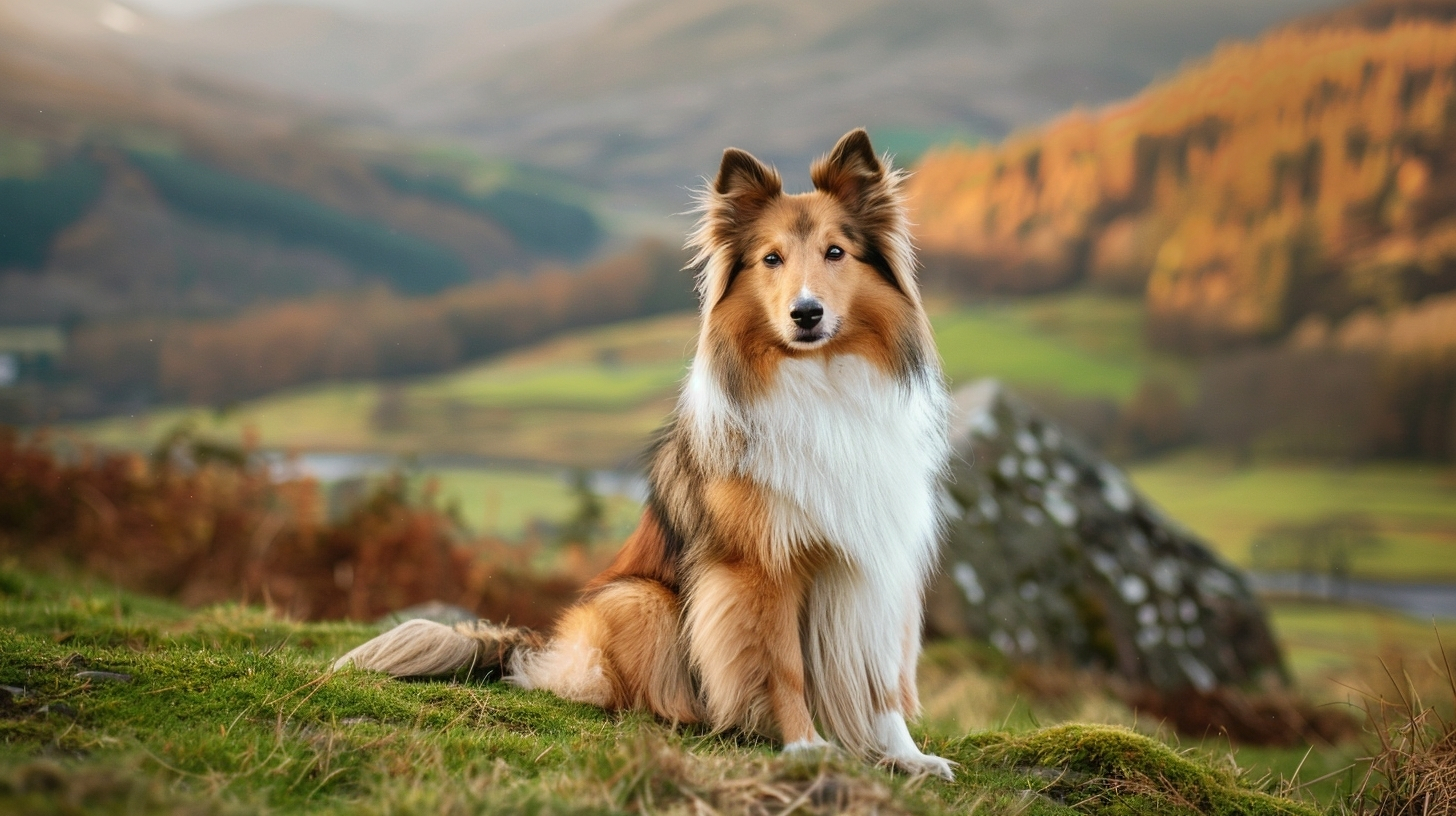
- ✅ Often called miniature Collies, Shelties are ideally sized at 15-25 lbs – large enough to be sturdy, small enough for apartment living
- ✅ Outstanding family dogs – patient with children, gentle with elderly owners, and broadly compatible with other pets
- ✅ The most decorated breed in competitive obedience history – Shelties dominate agility and obedience trials globally
- ✅ Deeply loyal and sensitive – they form extraordinary bonds with their family and are highly attuned to emotions
- ⚠️ MDR1 gene mutation affects approximately 75% of Shetland Sheepdogs – the highest rate of any breed – making DNA testing critical
- ⚠️ Shelties are vocal by nature – they bark readily and persistently, which requires consistent training management
- ⚠️ Dermatomyositis is a breed-specific inflammatory condition affecting skin and muscle – owners should know the signs
- ⚠️ The double coat produces very heavy seasonal shedding – daily brushing during coat blows is essential
- ❌ Do NOT administer ivermectin, milbemycin, or other MDR1-sensitive drugs without first DNA testing – the consequences can be fatal
- ❌ Do NOT expect a quiet dog – Sheltie vocalization is deeply ingrained and manageable only through consistent training, not elimination
- This article draws on breed standards from the American Kennel Club (AKC) and the American Shetland Sheepdog Association (ASSA), health research from the ASSA Health Committee and the MDR1 research program at Washington State University, and clinical guidance from veterinary neurologists and dermatologists who specialize in herding breed health.
- Last Updated: May 2026
What Kind of Dog Is a Shetland Sheepdog?
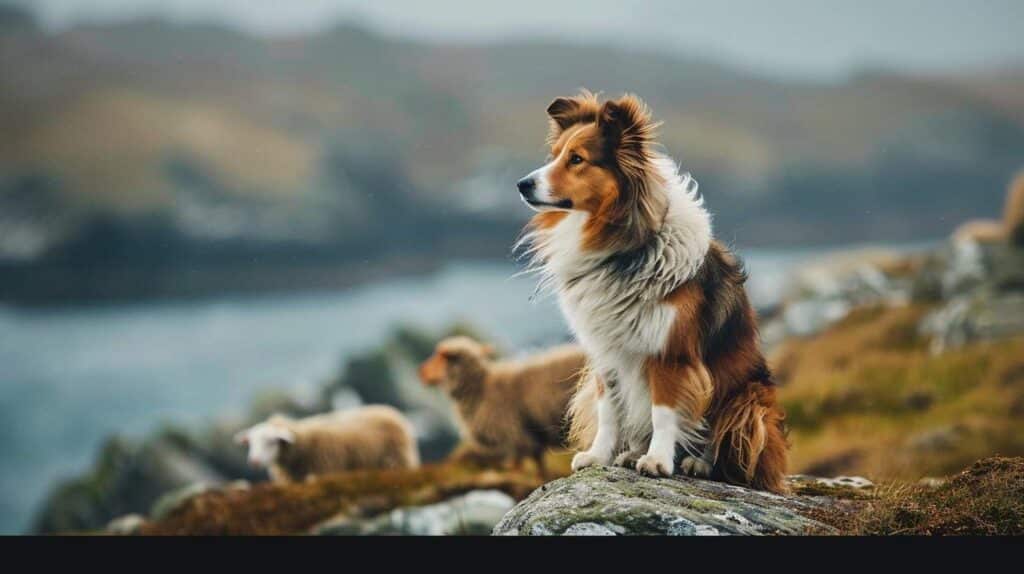
The Shetland Sheepdog originated on the Shetland Islands – a remote archipelago approximately 170 miles north of mainland Scotland, closer geographically to Bergen in Norway than to Edinburgh. These remote islands shaped everything about their inhabitants, human and animal alike, through conditions that were genuinely harsh. Consequently, limited grazing land produced miniaturized versions of mainland livestock – Shetland ponies, Shetland sheep, and Shetland cattle are all significantly smaller than their mainland counterparts.
Mainland Scottish shepherds brought working collie dogs to Shetland, and these dogs gradually miniaturized on the islands through a combination of limited food resources and deliberate breeding toward smaller, more economical working dogs. Early Shetland sheepdogs were considerably smaller than modern Shelties, and farmers used them to herd the small Shetland sheep and protect crops from wandering livestock.
The development of the modern Shetland Sheepdog as a recognized breed began in the early 20th century. Shetland islanders eager to promote their local dogs and mainland British dog fanciers drawn to the breed’s beautiful coat and miniature Collie appearance drove the process together. The Shetland Sheepdog Club formed in 1908, and the AKC recognized the breed in 1911.
The Rough Collie – the breed famous for Lassie – contributed significantly to the modern Sheltie’s appearance during the early development period, producing the longer, more elegant head and flowing coat that distinguishes today’s breed from the original working island dog. This Rough Collie influence explains why Shelties so closely resemble miniature Lassies and why the two breeds share many health considerations including MDR1 sensitivity.
At a Glance: Shetland Sheepdog Quick Reference
| Category | Details |
|---|---|
| AKC group | Herding Group |
| Origin | Shetland Islands, Scotland – early 20th century recognition |
| Height | 13-16 inches |
| Weight | 15-25 lbs |
| Lifespan | 12-14 years |
| Energy level | Moderate to high |
| Exercise needed | 45-60 minutes per day |
| Grooming | High – daily brushing during shedding, 3x weekly otherwise |
| Shedding | Very high – two annual coat blows |
| Trainability | Exceptional – top 5 most trainable breeds |
| Good with children | Excellent – gentle and patient |
| Good with other dogs | Excellent |
| Good with cats | Generally yes with socialization |
| Good with strangers | Reserved initially – warms with owner’s cue |
| MDR1 mutation risk | Very high – 75% of breed affected |
| Barking tendency | High – breed-typical |
| Dermatomyositis risk | Moderate – breed-specific condition |
| Apartment suitable | Yes with adequate exercise |
| First-time owner suitable | Yes – excellent choice |
Shetland Sheepdog Temperament: What to Expect Living With One
Exceptional Intelligence and the Training Opportunity
The Shetland Sheepdog consistently ranks in the top five most intelligent dog breeds in Dr. Stanley Coren’s research on working and obedience intelligence. In practice, this means Shelties learn new commands after fewer than five repetitions and comply with known commands at rates above 95%. They rank among the most responsive dogs available for competitive obedience and agility.
This intelligence produces a dog that is not merely trainable but genuinely engaged by training. Shelties do not simply execute commands – they appear to enjoy the problem-solving and interaction that training provides. Consequently, they progress to advanced behaviors faster than almost any other breed and suit owners who want to develop a highly trained, responsive companion.
Devotion and Sensitivity
Shelties form extraordinarily deep bonds with their family. They follow their owners throughout the home, monitor their emotional state with remarkable accuracy, and respond to distress or sadness with obvious concern. This emotional attunement makes them outstanding therapy dogs and deeply rewarding companions for anyone who values a dog that is genuinely present and responsive.
However, this sensitivity means Shelties are profoundly affected by harsh handling, raised voices, and inconsistency. Positive reinforcement is not simply the preferred training method for Shelties – it is the only approach that produces reliable, willing cooperation. Any punitive approach creates anxiety that degrades both the relationship and the dog’s behavior.
Reserved Nature With Strangers
Unlike breeds that greet everyone with immediate enthusiasm, Shelties show natural reserve toward unfamiliar people – watchful and assessing until their owner signals welcome. This wariness is appropriate breed behavior, not shyness, and typically resolves quickly once the dog reads its owner’s comfortable response to a visitor.
Early and ongoing socialization ensures this reserve remains at an appropriate level rather than developing into fearfulness or reactive behavior.
The Barking Challenge
Shelties bark – at sounds, at movement, at visitors, at other animals, and sometimes seemingly at nothing visible to their owners. This vocalization is deeply genetic from their working history as alarm-barking herding dogs on the Shetland Islands. Training a reliable quiet command and ensuring adequate daily exercise significantly reduces unnecessary barking, but it cannot eliminate it entirely. Shelties in apartments or noise-sensitive environments require consistent, ongoing management of their vocal tendencies.
MDR1 Mutation: The Most Critical Sheltie Health Issue
The Scale of the Problem
The MDR1 gene mutation – which causes certain drugs to reach toxic concentrations in the brain by impairing the blood-brain barrier pump – affects approximately 75% of Shetland Sheepdogs. This is the highest documented rate of MDR1 mutation in any dog breed, making it an issue of primary importance for every Sheltie owner.
Shelties inherit the mutation from the Rough Collie that contributed to the breed’s development. Because the mutation is so prevalent, owners must treat any Sheltie that has not undergone testing as potentially affected when any MDR1-sensitive drug comes into consideration.
Drugs That Are Dangerous in MDR1-Affected Shelties
| Drug | Common Use | Risk |
|---|---|---|
| Ivermectin | Parasite prevention | Severe neurotoxicity – potentially fatal |
| Milbemycin | Heartworm prevention | Neurotoxicity at higher doses |
| Loperamide (Imodium) | Anti-diarrheal | Neurotoxicity |
| Acepromazine | Sedation | Prolonged or excessive sedation |
| Butorphanol | Pain / sedation | Enhanced sedation |
| Selamectin | Parasite prevention | Risk at higher doses |
What Owners Must Do
Every Shetland Sheepdog must receive DNA testing for MDR1 before any medications are administered. The test is inexpensive and widely available. Once results are known, the owner must record the MDR1 status in the dog’s veterinary file and communicate it to every vet, emergency clinic, and boarding facility that interacts with the dog.
Health: Common Conditions in Shetland Sheepdogs
| Health Condition | Prevalence | Signs to Watch For | Action |
|---|---|---|---|
| MDR1 mutation | Very high – 75% | No visible signs – DNA test only | Test before any medication – inform all vets |
| Hip dysplasia | Moderate | Stiffness, abnormal gait | OFA evaluation on both parents |
| Progressive retinal atrophy (PRA) | Moderate | Night blindness progressing | Annual eye exam, DNA testing |
| Collie eye anomaly (CEA) | Moderate | Variable – detected at 6-8 weeks | Puppy eye exam by ophthalmologist |
| Dermatomyositis | Moderate – breed-specific | Skin lesions on face and feet, muscle weakness | Veterinary diagnosis – immunosuppressive management |
| Von Willebrand disease | Moderate | Excessive bleeding | DNA testing |
| Hypothyroidism | Moderate | Weight gain, lethargy, coat changes | Annual thyroid panel |
| Epilepsy | Low-moderate | Seizures | Neurological evaluation |
| Legg-Calve-Perthes disease | Low-moderate | Hindleg lameness, pain | Orthopaedic evaluation |
Dermatomyositis: The Breed-Specific Condition
Dermatomyositis is an inflammatory condition affecting both the skin and muscles that occurs in Shetland Sheepdogs and Rough Collies at rates far above other breeds. It causes skin lesions – scaling, crusting, and hair loss – primarily on the face, ears, and feet, along with varying degrees of muscle inflammation.
The condition ranges from mild (skin lesions that resolve with treatment) to severe (significant muscle atrophy and difficulty eating or swallowing). It has a genetic component, though researchers have not fully characterized the specific inheritance pattern. Any Sheltie showing unexplained skin lesions on the face or feet should receive a veterinary evaluation from someone familiar with the condition.
Grooming: The Most Demanding Aspect of Sheltie Ownership
The Shetland Sheepdog’s beautiful double coat – a long, harsh outer coat over a dense, soft undercoat – requires consistent grooming to remain mat-free and healthy. Outside of seasonal shedding periods, brushing 3-4 times per week manages the coat effectively. During the two annual coat blows in spring and autumn, however, daily brushing is essential.
| Grooming Task | Frequency | Notes |
|---|---|---|
| Brushing (regular periods) | 3-4 times per week | Wide-tooth comb and slicker brush – work through to skin |
| Brushing (coat blow periods) | Daily | Undercoat releases in quantity – daily brushing prevents matting |
| Bathing | Every 6-8 weeks | Thorough drying essential after bathing |
| Ear cleaning | Every 2 weeks | Check for debris and odor |
| Nail trimming | Every 3-4 weeks | Active dogs partially wear nails |
| Teeth brushing | 3-5 times per week | Important dental maintenance |
Never Shave a Sheltie
The double coat regulates temperature in both directions and removing it exposes the skin to UV radiation while disrupting natural thermoregulation. Post-clipping coat changes in Shelties can permanently alter coat texture and structure. Manage heat through exercise timing and shade – never through shaving.
Exercise: Active Needs for a Working Heritage
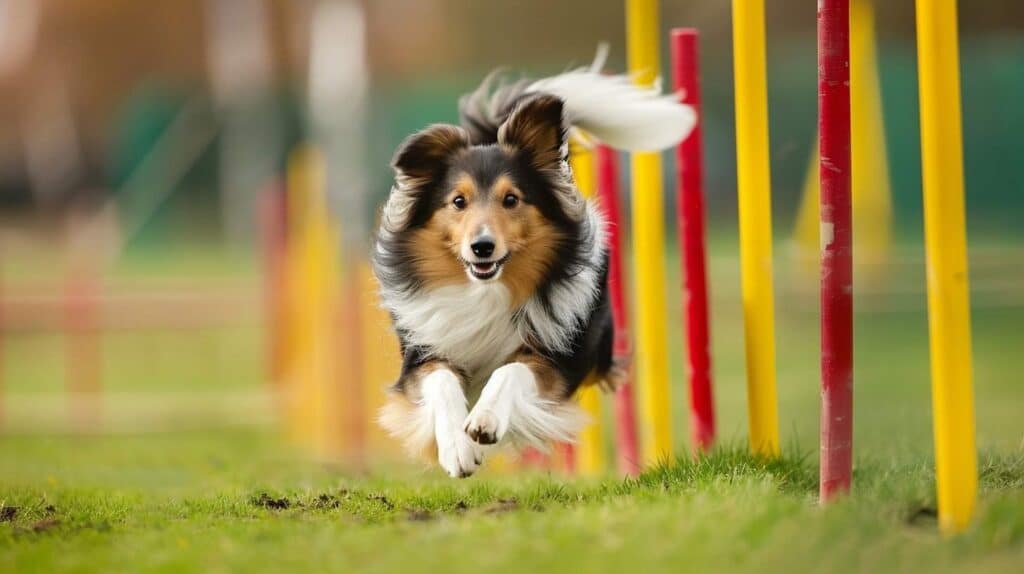
Shelties need 45-60 minutes of daily exercise. Their herding heritage means they carry genuine working energy that benefits most from activities engaging both body and mind simultaneously.
| Exercise Type | Suitability | Notes |
|---|---|---|
| Agility training | Exceptional | Most popular and successful Sheltie sport |
| Leash walks in varied environments | Excellent | Mental engagement from sniffing |
| Off-leash in securely fenced area | Excellent | Chase instinct requires secure fencing |
| Herding (livestock or herding balls) | Excellent | Breed-appropriate instinct outlet |
| Obedience and rally training | Excellent | Mental and physical combined |
| Fetch | Good | Most Shelties enjoy retrieve games |
For more on managing active herding breeds, read our guide on dog separation anxiety.
Training: Working With Exceptional Natural Ability
Shelties make training a genuine pleasure. Their combination of high intelligence, eagerness to please, and sensitivity to their handler’s approval produces dogs that not only learn quickly but actively enjoy the training process.
| Training Element | Effectiveness | Notes |
|---|---|---|
| Positive reinforcement (food + praise) | Exceptional | Primary approach – Shelties are extremely responsive |
| Marker training (clicker) | Excellent | Precision the Sheltie brain appreciates |
| Short, progressive sessions | Best results | Progress rapidly – move to new challenges often |
| Gentle, consistent approach | Essential | Sensitive breed – tone matters enormously |
| Dog sports from early age | Highly recommended | Agility, obedience – Shelties excel at all |
| Harsh corrections | Never appropriate | Creates lasting anxiety in this sensitive breed |
Is a Shetland Sheepdog Right for You?
Owners Who Succeed With Shetland Sheepdogs
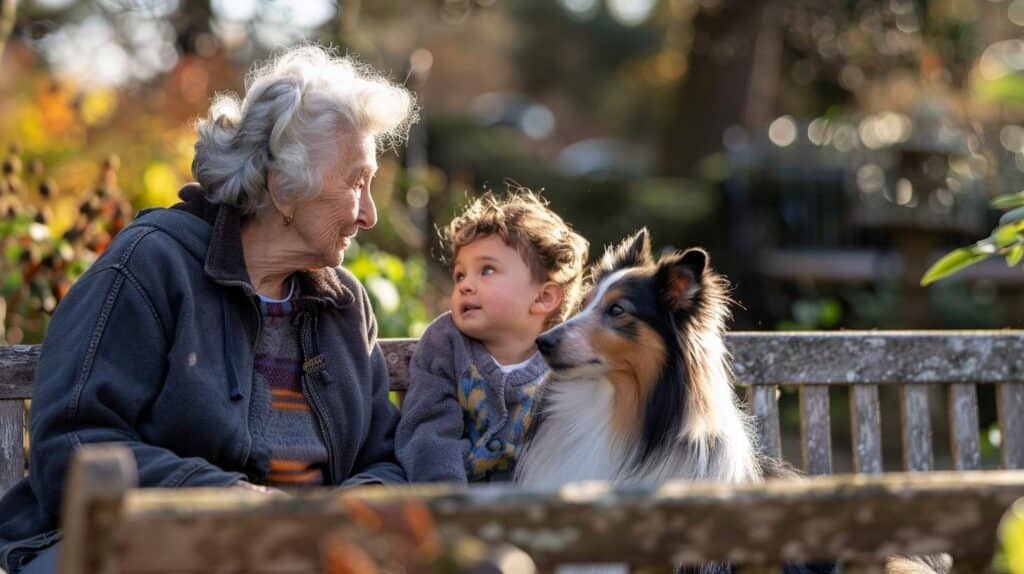
Shetland Sheepdogs thrive with owners who enjoy daily interaction and training with their dog. They also suit active households that exercise regularly and families that include children of all ages. Furthermore, owners who want a deeply attentive and emotionally responsive companion find the Sheltie extraordinary. Above all, anyone interested in competitive dog sports where Shelties consistently excel will find the breed deeply fulfilling.
Households That Struggle With Shetland Sheepdogs
Shetland Sheepdogs are consistently challenging for owners who want a quiet companion. They also struggle in households in noise-sensitive environments where persistent barking creates problems, for owners who cannot commit to regular coat maintenance, and for anyone who treats MDR1 DNA testing as optional rather than essential.
New puppy? Find a name that fits their personality.
Browse 600+ dog names by gender and personality type — playful, calm, bold, elegant, funny or mysterious.
Try Pet Name FinderFrequently Asked Questions
Shetland Sheepdog Identity and Behavior
Are Shetland Sheepdogs the same as miniature Collies? No – they are separate breeds. Although Rough Collies contributed to the modern Sheltie’s development and the two breeds look similar, they have distinct breed standards, separate breed clubs, and different health profiles. The most important practical difference is that Shelties have significantly higher MDR1 mutation rates than Rough Collies. They are related but not the same breed.
Why do Shelties bark so much? Farmers on the Shetland Islands valued alarm barking as a working trait – dogs needed to alert owners to predators or wandering livestock. This vocalization is deeply genetic in Shelties and owners cannot train it away. However, training can achieve reliable response to a quiet command that interrupts barking on cue, combined with reduced triggers through adequate exercise and enrichment.
Are Shelties good apartment dogs? Yes, with adequate daily exercise and consistent barking management. Their moderate size, gentle indoor temperament, and adaptability make them practically suited to apartment life. The barking tendency requires proactive training to avoid neighbor complaints, and the 45-60 minute daily exercise requirement must be met outdoors.
Are Shetland Sheepdogs good for competitive dog sports? Exceptionally so. Shelties dominate agility competition and perform at the highest levels of competitive obedience globally. Their combination of speed, intelligence, and handler focus makes them naturally suited to precision sport performance. Many top agility competitors specifically choose Shelties for their trainability and drive.
Shetland Sheepdog Health Questions
What is the difference between a Rough Collie and a Shetland Sheepdog? The Rough Collie (Lassie) is significantly larger – 50-75 lbs compared to the Sheltie’s 15-25 lbs. Both have similar long double coats and share herding heritage, but they are separate breeds. Rough Collies have lower MDR1 mutation rates than Shelties. Temperamentally, both are gentle, intelligent, and loyal, but Shelties tend to be more vocal and slightly more energetic relative to their size.
Do Shelties shed a lot? Yes – significantly, particularly during the two annual coat blows in spring and autumn. Daily brushing during blow periods manages the volume of shed undercoat. Year-round moderate shedding requires brushing 3-4 times weekly. Sheltie ownership means accepting dog hair as a permanent household feature that regular grooming significantly reduces.
How do I find a responsible Sheltie breeder? A responsible Sheltie breeder provides OFA hip evaluation, CAER eye certification, MDR1 DNA test results, and CEA DNA test results for both parents. They welcome questions, allow in-person visits, and do not sell puppies before 8 weeks. They will also ask about your household to ensure the breed suits your situation.
Key Takeaways
- MDR1 DNA testing is non-negotiable – 75% of Shelties carry the mutation, the highest rate of any breed
- Barking is a breed characteristic, not a behavioral problem – manage it through training rather than expecting elimination
- Dermatomyositis is a breed-specific condition – skin lesions on the face and feet of a Sheltie warrant veterinary evaluation
- Never shave the double coat – it regulates temperature in both directions
- Shelties dominate competitive obedience and agility – this trainability deserves a structured outlet
- Annual eye exams are important – PRA, CEA, and other hereditary eye conditions require monitoring
- The Shetland Islands origin story explains the breed’s miniaturized size and hardy nature
- Deep sensitivity to positive reinforcement makes Shelties among the most rewarding breeds to train – harsh methods are counterproductive and unnecessary
This article is for informational purposes only. Breed characteristics represent general tendencies and do not predict the behavior or health of any individual dog. Always consult a veterinarian for health advice.