Havanese: Complete Breed Guide – Temperament, Care, Health & More (2026)
- 🐕 QUICK ANSWER: HAVANESE BREED GUIDE
- ✅ Havanese are sociable, cheerful, and deeply affectionate – one of the most adaptable and universally compatible companion breeds available
- ✅ Weight: 7-13 lbs – small but sturdy, more robust than many toy breeds of similar size
- ✅ Low-shedding coat makes them an excellent choice for owners with mild dog allergies
- ✅ Highly trainable and eager to please – one of the most responsive toy breeds for first-time owners
- ✅ Exceptional with children, elderly owners, other dogs, and cats – compatibility is genuinely broad
- ⚠️ Havanese are extremely social and do not tolerate long periods of solitude – separation anxiety is a significant breed tendency
- ⚠️ The silky coat requires brushing at least 3-4 times per week to prevent matting – grooming commitment is real
- ⚠️ Chondrodystrophy makes IVDD a health consideration – weight management and furniture ramps reduce spinal risk
- ⚠️ Dental disease is very common in small breeds – daily brushing is the most important preventive health habit
- ❌ Do NOT leave a Havanese alone for extended periods daily without a care plan – isolation causes genuine distress and behavioral problems
- ❌ Do NOT use a collar and leash on a Havanese – tracheal sensitivity in toy breeds makes harnesses the only safe option
- This article draws on breed standards from the Havanese Club of America (HCA) and The Kennel Club, health research from the HCA Health Committee, and clinical guidance from veterinary ophthalmologists and internists who specialize in Cuban and Mediterranean toy breed health.
- Last Updated: May 2026
What Kind of Dog Is a Havanese?
The Havanese is the national dog of Cuba and the only dog breed native to that country. Spanish and Canary Island settlers brought small companion dogs to Cuba in the early colonial period, and Cuban aristocracy embraced them as status symbols and companions. Over the following centuries, Cuban breeders refined the breed to suit the warm Caribbean climate, producing a coat that provides shade and air circulation rather than cold-weather insulation.
The breed takes its name from Havana, the Cuban capital. Its alternative name – Havana Silk Dog – reflects both its geographic origin and the texture of its distinctive coat. For centuries, the Havanese remained virtually unknown outside Cuba, as the island’s upper classes kept it exclusively within their social circles. When the Cuban Revolution of 1959 forced many aristocratic families to flee, some brought their dogs with them. Cuban exiles arriving in the United States during the 1960s and 1970s introduced the Havanese to a new continent.
The modern Havanese has grown from near-extinction outside Cuba to one of the fastest-rising breeds in the United States and Europe. Its combination of low-shedding coat, trainable intelligence, broad social compatibility, and cheerful adaptability has made it particularly popular among urban and apartment-dwelling owners seeking a capable companion in a compact package.
At a Glance: Havanese Quick Reference
| Category | Details |
|---|---|
| AKC group | Toy Group |
| Origin | Cuba |
| Height | 8.5-11.5 inches |
| Weight | 7-13 lbs |
| Lifespan | 14-16 years |
| Energy level | Moderate |
| Exercise needed | 30-45 minutes per day |
| Grooming | Moderate-high – brushing 3-4 times per week |
| Shedding | Very low – low-allergen coat |
| Trainability | Excellent – among the most trainable toy breeds |
| Good with children | Excellent |
| Good with other dogs | Excellent |
| Good with cats | Generally yes with socialization |
| Good with strangers | Friendly and welcoming |
| Separation anxiety risk | High – breed-defining social need |
| IVDD risk | Moderate – chondrodystrophic breed |
| Dental disease risk | Very high – daily brushing essential |
| Apartment suitable | Excellent |
| First-time owner suitable | Yes – one of the best choices |
Havanese Temperament: What to Expect Living With One
The Social Butterfly of the Toy Group
The Havanese temperament centers on social orientation above all else. Unlike some companion breeds that bond intensely with one person and tolerate others, the Havanese distributes its affection broadly – delighted by its family, friendly with strangers, enthusiastic about other dogs, and genuinely comfortable in almost any social setting. This breadth of social comfort reflects the breed’s history as a companion in the salons and social gatherings of Cuban high society, where a dog comfortable with a constantly changing cast of visitors proved more valuable than a selective one.
In practical terms, this means a Havanese is unlikely to cause social tension in a multi-person household, at a dog park, or in a city apartment building with frequent foot traffic. It greets the maintenance worker with the same enthusiasm as its primary owner. Consequently, it makes a poor guard dog but an exceptional companion for socially active owners.
Intelligence and Performance
Havanese consistently rank among the most trainable toy breeds. They learn commands quickly, generalize well to new environments, and engage with training with enthusiasm that makes sessions genuinely enjoyable. Their eagerness to please – stronger in this breed than in many other toy dogs – means they respond to positive reinforcement with a speed and reliability that frequently surprises owners familiar only with more independent small breeds.
Furthermore, this trainability combined with their small size and low-shedding coat has made Havanese popular in therapy dog work, competitive obedience, agility, and as assistance dogs for owners with certain disabilities.
The Social Need: The Most Important Behavioral Characteristic
The Havanese’s social orientation is its greatest asset and its primary management challenge. Breeders selected this breed for millennia to be a companion in active social households. As a result, a Havanese experiences genuine distress when owners leave it without social contact for extended periods. Separation anxiety in Havanese is not a training failure – it is the predictable expression of a deeply social dog placed in isolation.
Owners who work full-time away from home without a plan for the dog’s company during the day consistently find their Havanese developing anxiety-driven behaviors – persistent barking, destructive chewing, and self-directed stress behaviors that reflect genuine distress rather than stubbornness.
The most effective solutions are a canine companion, doggy daycare, or a dog walker for mid-day visits. Gradual alone-time training from puppyhood can build tolerance to moderate periods of solitude. However, the Havanese will never be a breed that shows indifference to isolation.
Adaptability
One of the Havanese’s most practically useful characteristics is its adaptability. It adjusts to apartment living, house living, urban environments, suburban settings, first-time owners, and experienced owners with a flexibility that relatively few breeds match. Its moderate exercise needs, moderate noise level, and broad social tolerance make it compatible with a wider range of living situations than almost any other breed.

The Coat: Cuba’s Adaptation to Caribbean Heat
Why the Havanese Coat Is Unique
The Havanese coat is structurally different from the coats of most other toy breeds. Rather than a dense, insulating double coat, the Havanese carries a lighter, silkier coat that Cuban breeders adapted over centuries to provide shade and air circulation in a hot, humid climate. The coat acts as a sun shield and allows air movement against the skin rather than trapping heat.
This functional adaptation has important implications for coat care. Specifically, shaving a Havanese in summer removes the natural UV protection and heat regulation the coat provides, leaving the dog more vulnerable to both sunburn and overheating. Therefore, owners should never shave this breed, even in warm climates.
Coat Care Options
| Coat Style | Maintenance Level | Professional Grooming | Brushing Frequency |
|---|---|---|---|
| Full long natural coat | Very high | Every 4-6 weeks | Daily |
| Puppy cut (2-3 inches) | Moderate | Every 6-8 weeks | 2-3 times per week |
| Teddy bear cut | Moderate | Every 6-8 weeks | 3-4 times per week |
| Corded coat (traditional) | Very high – specialist | Specialist groomer | Daily separation of cords |
Most pet Havanese owners choose a puppy or teddy bear cut. The traditional corded coat – where the hair forms deliberate rope-like cords – requires specialist knowledge to develop correctly and appears primarily in the show ring.
Grooming Schedule
| Task | Frequency | Notes |
|---|---|---|
| Brushing (long coat) | Daily | Tangles form quickly – particularly behind ears and in armpits |
| Brushing (short coat) | 3-4 times per week | Silky texture still catches and mats |
| Professional grooming | Every 6-8 weeks | Trim, bath, ear cleaning, nail grind |
| Teeth brushing | Daily – minimum 5 times per week | Essential – dental disease is the primary health risk |
| Eye area cleaning | Daily | Discharge accumulates around the eyes |
| Ear cleaning | Every 2 weeks | Floppy ears trap moisture |
| Nail trimming | Every 3-4 weeks | Small nails grow quickly |
IVDD: Spinal Health Management
The Havanese carries chondrodystrophic genetics – the same mutation present in Dachshunds, Corgis, and Basset Hounds that produces shortened legs and also predisposes spinal discs to premature calcification. Calcified discs can rupture and compress the spinal cord, causing pain, weakness, or paralysis.
Prevention Priorities
| Risk Factor | Management |
|---|---|
| Obesity | Maintain lean body condition throughout life |
| Jumping on and off furniture | Provide ramps and steps – eliminate free jumping |
| Stair use | Limit where possible – carry the dog on stairs when practical |
| Rough play involving twisting | Supervise and discourage high-impact landings |
Warning Signs
Contact a veterinarian immediately if a Havanese shows back pain when touched, reluctance to use stairs it previously managed, hunched posture, wobbling in the rear legs, or any loss of bladder or bowel control. IVDD is a time-sensitive condition where early intervention dramatically improves outcomes.

Exercise: Moderate Needs, Maximum Enjoyment
Havanese need 30-45 minutes of daily exercise. Their moderate energy level makes them well-suited to apartment living, but they genuinely enjoy activity and participate enthusiastically in more vigorous exercise when owners offer it. Additionally, many Havanese excel in agility and competitive obedience – their speed, intelligence, and drive make them capable performers far beyond what their small size suggests.
| Exercise Type | Suitability | Notes |
|---|---|---|
| Leash walks (harness) | Excellent | Primary daily activity |
| Interactive indoor play | Excellent | Mentally and physically engaging |
| Agility training | Excellent | Ideal breed-appropriate sport |
| Fetch and chase games | Excellent | Most Havanese are enthusiastic retrievers |
| Off-leash in fenced area | Excellent | Social and athletic expression |
| Dog parks | Generally good | Size awareness important – supervise with large dogs |
| Swimming | Variable | Some enjoy water – individual preference |
Health: Common Conditions in Havanese
| Health Condition | Prevalence | Signs to Watch For | Action |
|---|---|---|---|
| Dental disease | Very high | Bad breath, reluctance to eat | Daily brushing + annual professional cleanings |
| IVDD | Moderate | Back pain, weakness, coordination loss | Ramps for furniture, weight management |
| Patellar luxation | Moderate | Skipping, holding leg up | Orthopaedic evaluation |
| Progressive retinal atrophy (PRA) | Moderate | Night blindness progressing | Annual eye exam, DNA testing |
| Cataracts | Moderate | Cloudiness in lens | Annual eye exam |
| Hip dysplasia | Low-moderate | Stiffness, abnormal gait | OFA evaluation on both parents |
| Heart disease (MVD) | Moderate | Exercise intolerance, cough | Annual cardiac exam after age 5 |
| Hypothyroidism | Low-moderate | Weight gain, lethargy, coat changes | Annual thyroid panel |
| Legg-Calve-Perthes disease | Low-moderate | Hindleg lameness, pain | Orthopaedic evaluation |
| Deafness (bilateral or unilateral) | Low | Lack of response to sound | BAER test if suspected |
Eye Health: A Primary Focus
The Havanese community has prioritized eye health research, and the breed carries elevated rates of both hereditary cataracts and progressive retinal atrophy. Annual CAER (Companion Animal Eye Registry) eye examinations by a board-certified ophthalmologist represent standard practice for responsible Havanese breeders. Buyers should request OFA eye certification on both parents before purchasing.
Training: Working With an Enthusiastic Performer
Havanese rank among the most rewarding small breeds to train. Their intelligence, eagerness to please, and genuine enjoyment of the training interaction produce dogs that learn quickly, generalize well, and advance to complex behaviors faster than most toy breeds.
| Training Element | Effectiveness | Notes |
|---|---|---|
| Positive reinforcement (food + play) | Excellent | Primary approach – Havanese are highly food and play motivated |
| Marker training (clicker) | Excellent | Precision the Havanese brain appreciates |
| Short, varied sessions | Best results | 10-15 minutes – progression keeps engagement high |
| Dog sports from early age | Highly recommended | Agility and obedience suit the breed exceptionally |
| Harsh corrections | Counterproductive | Creates anxiety in a sensitive breed |
Priority Training Areas
| Priority | Why It Matters |
|---|---|
| Alone-time tolerance | Most important – prevents separation anxiety from developing |
| Recall | Social orientation means they may approach all dogs – recall keeps them safe |
| Quiet command | Alert barking is moderate but manageable |
| Housetraining | Requires consistency – 4-6 months typical for reliable results |
| Polite greetings | Enthusiastic jumping – minor at this size but worth addressing |
Is a Havanese Right for You?
Owners Who Succeed With Havanese
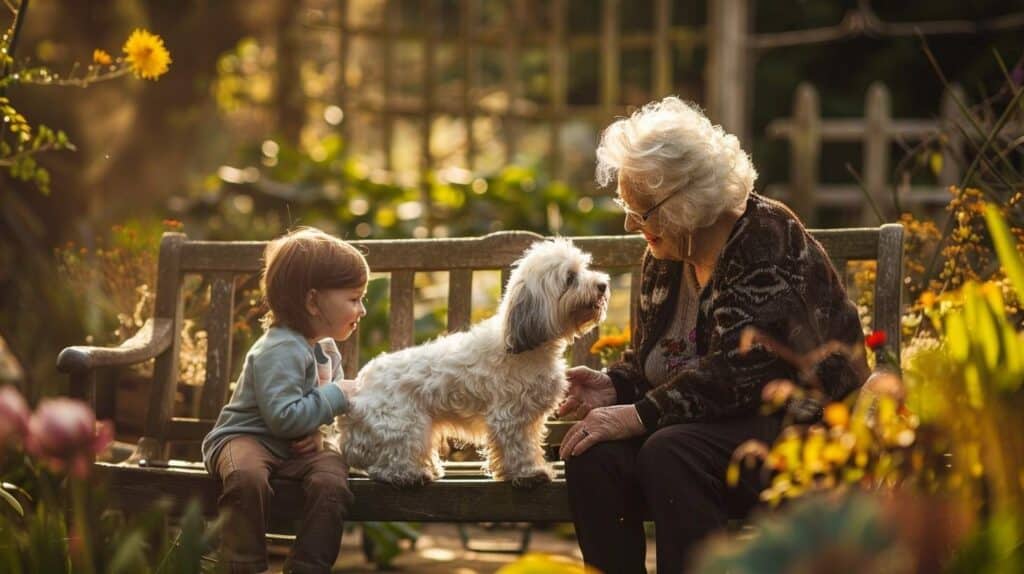
Havanese thrive with owners who are home frequently or can arrange quality company during absences. They suit apartments and smaller homes where their moderate size and low-shedding coat are practical assets. Additionally, they suit families that include children of all ages, elderly owners seeking a gentle and engaged companion, and active owners who enjoy dog sports. Above all, the Havanese suits anyone who wants a deeply social, highly trainable, broadly compatible companion dog.
Households That Struggle With Havanese
Havanese are consistently challenging for owners who work full-time away from home without a company plan for the dog. They also struggle with anyone who wants a more independent, less demanding companion, and owners unwilling to manage the regular brushing and professional grooming the coat requires.
New puppy? Find a name that fits their personality.
Browse 600+ dog names by gender and personality type — playful, calm, bold, elegant, funny or mysterious.
Try Pet Name FinderFrequently Asked Questions
Havanese Temperament and Daily Life
Are Havanese easy to train? Yes – among the easiest of all toy breeds. Their eagerness to please, food motivation, and genuine enjoyment of training interaction make them highly responsive to positive reinforcement. Many Havanese go on to compete successfully in agility, obedience, and rally. First-time dog owners consistently find them more responsive and less stubborn than other toy breeds they may have encountered.
Do Havanese bark a lot? Moderately. They are alert dogs that notice visitors, sounds, and movement. However, they are not persistently vocal. Training a reliable quiet command and ensuring adequate daily exercise and mental stimulation reduces unnecessary barking. Havanese that receive sufficient company and engagement bark significantly less than those owners leave alone or under-stimulate.
Can a Havanese live in a hot climate? Better than most double-coated breeds. Cuban breeders specifically adapted the Havanese coat to tropical conditions – it provides air circulation and UV protection rather than trapping heat. They still require air conditioning during hot weather, shade and water when outside, and exercise restricted to cooler parts of the day. However, they are significantly better suited to warm climates than northern double-coated breeds.
Are Havanese good therapy dogs? Yes – they are among the most widely used toy breeds in therapy work. Their broad social compatibility, sensitivity to emotional states, non-reactive temperament, and appropriate small size for visiting hospitals and care facilities make them well-suited for this role. Many Havanese have earned official therapy dog certifications through AKC and recognized therapy organizations.
Havanese Health Questions
How long do Havanese live? Typically 14-16 years – one of the longer-lived small breeds. Dogs that receive daily dental care, appropriate weight management, regular veterinary attention, and adequate social companionship consistently live toward the higher end of this range. Dental disease is the most directly owner-influenced health factor.
What is the corded Havanese coat? The corded coat is a traditional presentation where a specialist groomer deliberately divides the silky Havanese hair into long rope-like dreadlocks. Owners must separate the cords by hand regularly during development to prevent them from matting together. Once fully formed, a corded coat requires ongoing maintenance rather than conventional brushing. It appears primarily in the show ring, as the significant specialist knowledge and time required make it impractical for most pet owners.
Are Havanese good for first-time owners? Yes – they consistently rank among the top recommendations for first-time dog owners seeking a small breed. Their trainability, gentle temperament, broad social compatibility, and manageable exercise needs make them forgiving of the learning curve that comes with first-time ownership. The primary first-time owner challenge is understanding and managing the separation anxiety tendency before it becomes established.
Key Takeaways
- Separation anxiety is the primary behavioral management challenge – alone-time training from day one is essential
- Daily teeth brushing is non-negotiable – dental disease is the most common and most preventable health problem in the breed
- Harness rather than collar for all leash activities – tracheal sensitivity in toy breeds makes this mandatory
- The coat provides heat protection – never shave a Havanese in summer
- Eye health is a priority – annual CAER examinations and DNA testing for PRA are standard in responsible breeding
- One of the most trainable toy breeds – their performance capability far exceeds what their size suggests
- IVDD prevention through weight management and furniture ramps is a lifetime commitment
- 14-16 year lifespan makes the Havanese a long-term companion requiring sustained financial and care planning
This article is for informational purposes only. Breed characteristics represent general tendencies and do not predict the behavior or health of any individual dog. Always consult a veterinarian for health advice.