Siamese Cat: Complete Breed Guide – Temperament, Care, Health & More (2026)
- Quick Answer: The Siamese is one of the oldest, most recognisable, and most vocal cat breeds in the world. They are intensely social, deeply affectionate, and famously communicative — earning the nickname “Meezer” for their loud, distinctive voices. They form powerful bonds with their people and do not tolerate being left alone for long periods. They are among the longest-lived cat breeds, with many reaching 15–20 years and some reportedly living into their mid-20s. Their main health concerns are amyloidosis, asthma, and certain cancers.
- Expert Source: Breed data in this article is drawn from the Cat Fanciers’ Association (CFA) Siamese breed standard, PetMD’s veterinary team, the Texas A&M College of Veterinary Medicine, and peer-reviewed research published in the Journal of Veterinary Behavior on Siamese behavioural traits.
- Last Updated: March 2026
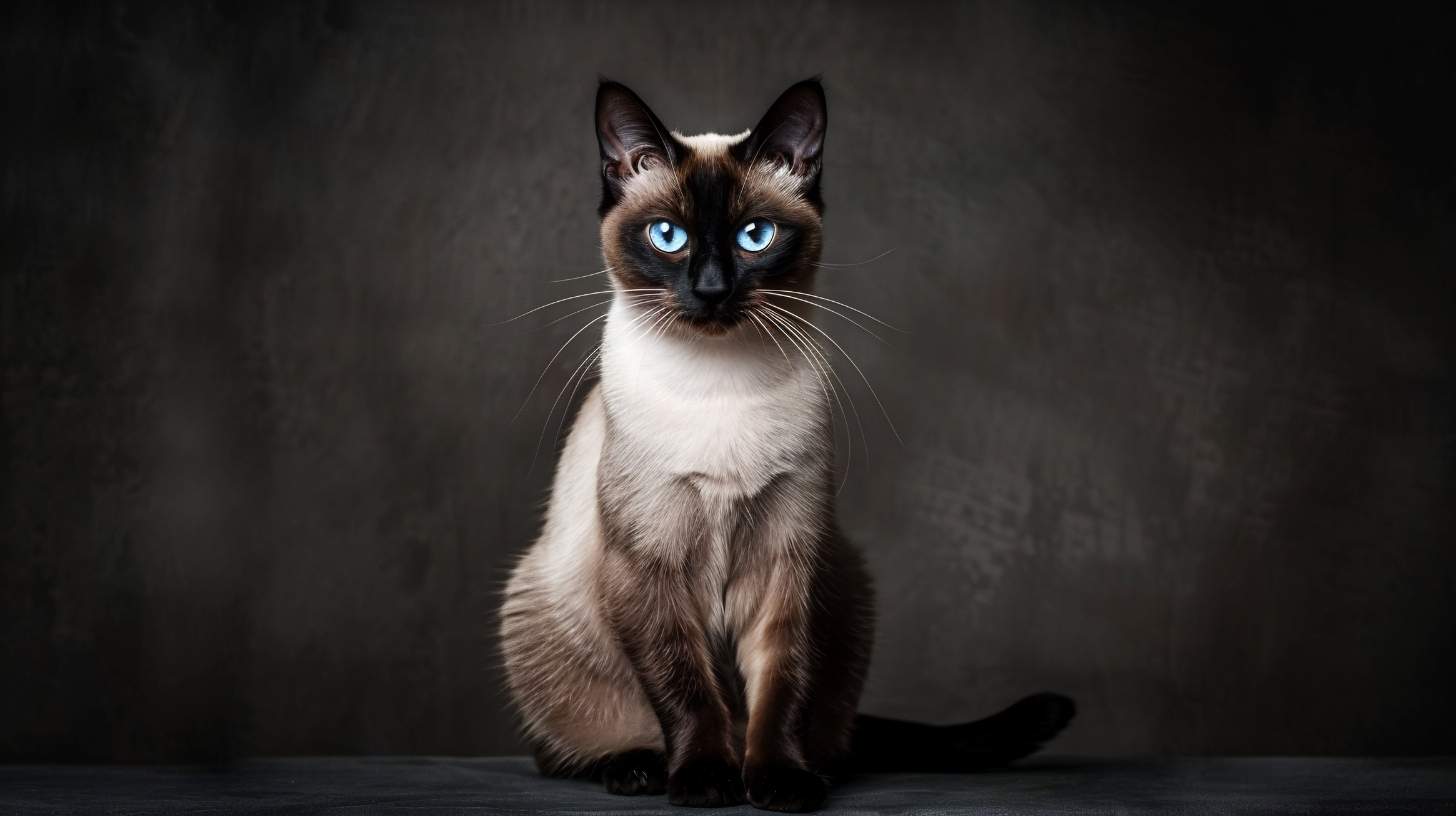
No cat announces its presence quite like a Siamese. The striking colour-point coat, the vivid blue eyes, and above all the voice — low, insistent, and remarkably human in quality — make the Siamese unmistakable. They have been captivating people for centuries, from Thai royal courts to modern apartments, and their combination of beauty, intelligence, and personality has made them one of the most beloved breeds in the world.
But the Siamese is emphatically not a low-maintenance or independent companion. Understanding what this breed genuinely needs — and what it will demand of you — is essential before bringing one home.
Siamese Cat At a Glance
| Characteristic | Detail |
|---|---|
| Origin | Thailand (formerly Siam), ancient breed |
| Size | Small to medium |
| Weight | Male: 4–6 kg (9–14 lbs); Female: 2.5–4.5 kg (6–10 lbs) |
| Height | 22–31 cm (9–12 inches) |
| Lifespan | 15–20 years — among the longest-lived cat breeds |
| Coat | Short, fine, glossy — no undercoat |
| Shedding | Low |
| Energy level | High |
| Grooming needs | Low — weekly brushing sufficient |
| Trainability | Very high |
| Good with children | Yes — older children best |
| Good with other pets | Yes, particularly other cats |
| Good for first-time owners | With awareness of their social demands |
| Apartment living | Excellent |
| Vocalisation | Very high — one of the most vocal breeds |
History and Origin
The Siamese is one of the oldest and most documented cat breeds in existence. Their origins lie in Thailand — then known as Siam — where they were considered sacred animals and were kept exclusively by royalty and Buddhist monks. Ancient Thai manuscripts dating to the 14th century depict cats with colour-point coats and slender bodies that are recognisably Siamese.
According to historical accounts, Siamese cats were believed to receive the souls of deceased royalty, and were subsequently kept in temples where they were tended to lavishly by monks. Only members of the royal family and nobility were permitted to own them — a fact that likely accounts for the breed’s famously aristocratic bearing.
Siamese cats were first seen in the Western world in the late 19th century. One of the earliest known Western owners was Lucy Hayes, wife of US President Rutherford B. Hayes, who received a Siamese as a gift from a US diplomat in Thailand in 1878. When Siamese cats were exhibited at Crystal Palace in London in 1871 and later imported to England in significant numbers, they caused a sensation. The Cat Fanciers’ Association officially recognised the breed in 1906.
The breed’s influence on cat genetics has been enormous — the Balinese, Burmese, Tonkinese, Oriental Shorthair, Havana Brown, Himalayan, Ocicat and many other breeds are all descended in whole or in part from Siamese cats.
Temperament and Personality
The Siamese temperament is unlike that of any other cat breed — intense, engaged, vocal, and deeply bonded. Siamese cats are usually very social and often develop a special bond with certain people, following them from room to room and offering running commentary on everything they do.

Key Personality Traits
Intensely vocal. Siamese cats are famous for their voice — a low, loud, insistent sound that many owners describe as sounding remarkably like a human baby. They will narrate their day, demand attention, express opinions about the household routine, and wake their owners at unreasonable hours if they feel this is warranted. This is the breed’s most defining trait and the first thing to consider before adopting one.
“Velcro cats.” Siamese form some of the strongest human-cat bonds of any breed. Many are described as Velcro cats — they want to be physically close to their person at all times. They follow owners from room to room, sleep next to them, and find independent activity less appealing than almost any other breed. This intensity of attachment is one of their great charms — and their most significant care requirement.
Deeply social — cannot be left alone. The Siamese’s need for company is one of the most important things to understand about the breed. When left alone for long periods regularly, Siamese cats are prone to depression, anxiety, destructive behaviour, and excessive vocalisation. Busy households where the cat would be alone all day should either get two Siamese together or reconsider whether this breed is appropriate.
Highly intelligent and trainable. Siamese are among the most intelligent cat breeds. They learn tricks, respond to recall, can be leash-trained, solve puzzle feeders quickly, and readily learn the names of objects. They are also extremely good at training their owners — figuring out exactly which behaviours produce the desired response from their people.
Playful and athletic. Despite their elegant appearance, Siamese are active, athletic cats who enjoy climbing, jumping, and interactive play well into adulthood. They need daily play sessions and vertical enrichment. Boredom in a Siamese is expressed loudly and persistently.
Sensitive to stress. Siamese cats can be more easily stressed than other breeds, so a stable but enriched environment is highly desirable. Significant routine changes, new pets introduced without care, or household instability can produce anxiety responses — excessive vocalisation, over-grooming, or elimination outside the litter box.
The Colour-Point Pattern — How It Works
The Siamese’s distinctive appearance is the result of a fascinating genetic mechanism. All Siamese kittens are born pure white. Their colour-point pattern develops over the first few weeks of life and is caused by a temperature-sensitive enzyme that produces pigment only in cooler areas of the body — the face, ears, paws, and tail. The warmer body centre remains pale.
This means that the Siamese’s colouring is literally shaped by body temperature — and can change slightly throughout the cat’s life depending on ambient temperature and age.
The four classic colour-point patterns are:
| Colour Point | Body Colour | Point Colour |
|---|---|---|
| Seal point | Pale fawn to cream | Deep seal brown to black |
| Chocolate point | Ivory | Milk chocolate brown |
| Blue point | Bluish white | Slate grey-blue |
| Lilac point | Glacial white | Pinkish grey |
All four colour variants are identical in personality and care requirements.

Exercise and Enrichment
Siamese cats are active and curious — they need substantially more daily stimulation than a Persian or British Shorthair.
| Enrichment Type | Importance |
|---|---|
| Interactive wand toys | Daily — 15–20 minutes twice daily |
| Tall cat trees and wall shelves | Essential — Siamese love height |
| Puzzle feeders | Excellent for mental stimulation |
| Fetch and retrieval games | Many Siamese play fetch willingly |
| Companion cat or dog | Highly recommended for households with working owners |
| Window perches | Environmental enrichment — outdoor viewing |
A Siamese without sufficient mental and social stimulation becomes destructive, excessively vocal, and unhappy. Two Siamese cats who are raised together provide mutual company and stimulation — many breeders specifically recommend adopting in pairs for households where owners are away for significant portions of the day.

Grooming
The Siamese’s short, fine coat with no undercoat is one of the easiest to maintain of any cat breed. Low grooming demand is one of the practical advantages of the breed.
| Task | Frequency |
|---|---|
| Brushing | Once per week — primarily for bonding and shed removal |
| Bathing | Rarely needed; every 8–12 weeks if desired |
| Ear cleaning | Weekly — check for wax and debris |
| Nail trimming | Every 3–4 weeks |
| Teeth brushing | Daily if possible — dental disease is a notable risk |
| Eye cleaning | As needed — wipe gently to remove discharge |
Siamese cats have no undercoat, which means they shed significantly less than most other breeds. This also makes them a relatively better choice for mild cat allergy sufferers — though no cat breed is truly hypoallergenic.
Health — What Siamese Cat Owners Must Know
Siamese cats are generally considered a healthy breed with an impressively long lifespan. However, they carry several breed-specific health risks that owners should monitor throughout the cat’s life.
Amyloidosis
Amyloidosis is one of the most significant inherited conditions in Siamese cats. It involves abnormal deposits of a fibrous protein called amyloid in the body’s organs — most commonly the liver in Siamese cats. Over time, amyloid accumulation disrupts normal organ function and leads to organ failure. The condition is progressive and incurable, though management can slow its progression.
Signs include loss of appetite, lethargy, increased thirst and urination, weight loss, vomiting, and in advanced cases abdominal swelling. Any of these signs in a Siamese warrants prompt veterinary investigation.
Common Health Conditions
| Condition | Description | What to Watch For |
|---|---|---|
| Amyloidosis | Protein deposits in liver — leads to liver failure | Lethargy, weight loss, jaundice, abdominal swelling |
| Feline asthma | Respiratory hypersensitivity — Siamese are predisposed | Coughing, wheezing, open-mouth breathing |
| Cancer (various) | Lymphoma, thymoma, mast cell tumours — elevated risk | Lumps, weight loss, lethargy, loss of appetite |
| Progressive Retinal Atrophy (PRA) | Inherited retinal degeneration | Night blindness progressing to total vision loss |
| Pica | Compulsive eating of non-food items — wool-sucking common | Chewing on fabrics, string, or non-food objects |
| Dental disease | Short jaws create crowding and plaque build-up | Bad breath, difficulty eating, pawing at mouth |
| Hyperesthesia syndrome | Oversensitive skin causing excessive grooming | Twitching skin, excessive licking, sudden aggression |
| Convergent strabismus | Cross-eyes — benign in most cases | Visibly crossed eyes |
The Pica Risk
Pica — the compulsive consumption of non-food items — is particularly common in Siamese cats. According to research published in the Journal of Veterinary Behavior, Asian cat breeds including Siamese are prone to pica, especially wool-sucking. String, hair ties, rubber bands, and fabric fragments are all at risk. Intestinal obstruction from swallowed items is a medical emergency. Remove all potential pica targets from areas accessible to a Siamese.
Anaesthesia Sensitivity
Siamese cats are more sensitive to anaesthesia than most other breeds. This is an important consideration for any surgical procedure — always inform your vet that your cat is Siamese, as this may affect the anaesthetic protocol used.
Lifespan
The Siamese is one of the longest-lived cat breeds. Most sources cite an average of 15–20 years, with well-documented cases of individuals living into their early-to-mid 20s. The 2024 VetCompass study found Burmese and Birman cats had the highest average life expectancy at 14.4 years — and Siamese consistently appear among the longest-lived purebred cat breeds in historical studies. With excellent care, a Siamese can be a companion for two decades.
Feeding a Siamese Cat
Siamese cats have relatively fast metabolisms and are typically lean cats — their elegant build is natural, not the result of restriction. However, they can overeat if free-fed, and obesity worsens their joint health and contributes to other conditions.
Feed measured meals twice daily. Because they are intelligent and food-motivated, puzzle feeders and lick mats work exceptionally well with this breed — providing mental stimulation at mealtimes that a standard bowl does not.
Dental disease is a significant concern: wet food should form a significant part of the diet to support oral health, and regular dental veterinary checks are recommended.
Did your cat eat something dangerous? Find out right now.
Enter what they ate and their weight — get an instant toxicity assessment for 35+ substances.
Check Toxicity NowIf your Siamese eats something it should not have, use our Pet Toxicity Calculator immediately to assess the risk.
Is a Siamese Cat Right for You?
Siamese Cats Are Ideal For:
- People who want an intensely bonded, interactive companion
- Those who are home frequently or work from home
- Households with older children who interact calmly
- Multi-pet households — especially those who can adopt two Siamese
- People who enjoy a vocal, communicative cat
- Those who want a long-lived companion with low grooming needs
Siamese Cats May Not Suit:
- People who work long hours and cannot arrange company for the cat
- Those who prefer a quiet, independent, low-demand cat
- Households with very young children — Siamese energy can be too much
- People sensitive to noise — the Siamese voice is persistent and penetrating
- Those looking for a calm, relaxed companion
Frequently Asked Questions About Siamese Cats
Breed and Temperament Questions
Why are Siamese cats so vocal? Vocalisation is a fundamental Siamese breed trait deeply embedded in their genetics and history. They have a distinctive, low-pitched voice that they use constantly to communicate — expressing hunger, boredom, affection, displeasure, and simple commentary on daily events. There is no training approach that eliminates Siamese vocalisation — it is intrinsic to the breed. Adequate exercise, stimulation, and company reduce excessive vocalisation, but will not eliminate it entirely.
Do Siamese cats get along with other cats and dogs? Generally yes. Siamese are sociable and typically adapt well to other animals, particularly other cats. Many breeders specifically recommend keeping two Siamese together for mutual company. They can also coexist well with calm, cat-friendly dogs. Early introduction and gradual, positive association produce the best outcomes.
Are Siamese cats good with children? With older, calm children who understand how to interact respectfully with cats — yes. Siamese are energetic and playful, which works well with older children who can engage appropriately. Very young children may overwhelm a Siamese or be scratched during overstimulated play. As always, supervision of interactions between cats and young children is essential.
Are Siamese cats really cross-eyed? In earlier decades, crossed eyes (convergent strabismus) were very common in Siamese and were caused by abnormal visual pathway wiring in the brain — the same genetic mechanism that produces the colour-point pattern. Responsible breeders have largely eliminated this trait through selective breeding. Most modern Siamese do not have crossed eyes, though it occasionally appears.
Why are Siamese kittens born white? The colour-point pattern is caused by a temperature-sensitive enzyme that only produces pigment in cooler areas of the body. Inside the womb, kittens are maintained at a consistent, warm temperature — so no pigment is produced. After birth, the cooler extremities (face, ears, paws, tail) gradually develop their darker colouring over the first few weeks of life.
Health and Care Questions
What is amyloidosis and should I be concerned? Amyloidosis is an inherited condition in which the protein amyloid accumulates in organs — primarily the liver in Siamese cats. It is progressive and incurable, though it can be managed. Not all Siamese develop it, but Siamese owners should know the signs: unexplained weight loss, lethargy, increased thirst, and abdominal swelling in a middle-aged or older cat warrant prompt veterinary attention. Annual blood panels from middle age help detect liver changes early.
How do I manage pica in a Siamese cat? Remove all accessible pica targets: string, hair ties, rubber bands, fabric scraps, wool items, and small household objects. Keep cupboards and drawers closed. Supervise play with toys that have string or fabric components. If your cat does consume a non-food item and you are uncertain whether it is a risk, use our Pet Toxicity Calculator or contact your vet immediately — intestinal obstruction can be fatal.
Are Siamese cats hypoallergenic? Siamese shed less than many other breeds due to their fine, short coat with no undercoat. This makes them a relatively better choice for mild allergy sufferers — but no cat breed is truly hypoallergenic. All cats produce the Fel d 1 protein that triggers most cat allergies, regardless of coat type or length.
How long do Siamese cats live? The Siamese is one of the longest-lived cat breeds — most individuals live 15–20 years, and there are well-documented cases of individuals living past 20. A well-cared-for Siamese from a responsible breeder with regular veterinary monitoring, appropriate diet, and a stimulating indoor lifestyle can be a companion for two decades.
Key Takeaways
The Siamese cat offers a genuinely exceptional companionship experience — deeply loyal, intensely engaged, and surprisingly long-lived. Their combination of striking appearance, powerful personality, and remarkable longevity is unmatched among cat breeds. But they demand an owner who is present, attentive, and undisturbed by vocal expression. A Siamese left alone too much will be unhappy, and will make that unhappiness known at volume. An engaged Siamese in the right household will reward that engagement with decades of devoted, communicative, and endlessly entertaining companionship.
New cat? Find a name as unique as their character.
Browse 600+ cat names by gender and personality type — because every cat has a story.
Try Pet Name FinderThis article is for informational purposes only and does not replace advice from a qualified veterinarian. For health concerns about your Siamese cat, always consult your vet.