Why Is My Dog Shedding So Much? Causes, Tools & Vet-Approved Tips (2026)
- Quick Answer: All dogs shed – it is a normal, healthy process of replacing old or damaged hair with new growth. The amount varies dramatically by breed, coat type, and season. Shedding cannot be stopped completely, but it can be significantly reduced with consistent brushing, appropriate bathing, a nutrient-rich diet, and good hydration. When shedding is sudden, patchy, accompanied by bald spots or irritated skin, or far heavier than your dog’s normal pattern, it is worth a vet visit – these signs can indicate allergies, parasites, thyroid disease, or other treatable conditions.
- Expert Source: Guidance in this article is based on veterinary content reviewed by Dr. Molly Price DVM at Chewy, AKC Pet Insurance grooming and coat health resources, clinical guidance from Sploot Vets on coat nutrition and shedding management, and Texas A&M University College of Veterinary Medicine’s brushing and shedding season guidance.
- Last Updated: April 2026
If you own a dog, you own their hair too – on the sofa, on your clothes, in your car, occasionally in your food. For most owners, dog shedding is one of the less glamorous realities of life with a dog.
The good news is that consistent shedding is almost always normal and manageable. The approach most owners take – tolerating it or vacuuming constantly – is not the only option. Understanding why your dog sheds and using the right tools at the right frequency makes a real difference in how much loose hair ends up in your home.
Why Do Dogs Shed?
Shedding is the natural process through which dogs replace old, damaged, or excess hair with new growth. It serves several biological purposes: it helps regulate body temperature, removes dead hair that would otherwise mat and irritate the skin, and allows the coat to adapt to seasonal temperature changes.
Hair grows in cycles – a growth phase (anagen), a transitional phase (catagen), and a resting phase (telogen) in which the hair is fully grown but no longer active. Shedding occurs when hair in the telogen phase is displaced by new growth. Different breeds have different proportions of hair in each phase at any given time, which is why some dogs shed continuously while others shed only seasonally or minimally.
Normal vs. Abnormal Shedding
The distinction between normal and problematic shedding is one of the most important things a dog owner can learn to recognize.
Normal shedding:
- Consistent with your dog’s breed and typical pattern
- Increases predictably in spring and fall
- Hair comes out evenly across the coat
- Skin beneath the coat looks healthy – no redness, flaking, or sores
- Dog is not scratching, licking, or chewing excessively
Abnormal shedding – worth a vet visit:
- Bald spots or thinning patches that are not symmetrical
- Sudden dramatic increase outside of seasonal transitions
- Hair loss accompanied by red, inflamed, scaly, or crusty skin
- Excessive scratching, licking, or chewing at the coat
- Changes in coat texture – dull, brittle, or dry when previously healthy
- Shedding accompanied by other symptoms – weight change, lethargy, increased thirst
When abnormal shedding is identified early, most underlying causes are treatable. Waiting to see if it resolves tends to allow the condition to worsen.
How Much Shedding Is Normal for Your Breed?
Shedding amount is primarily determined by coat type – not hair length. Short-haired dogs can shed as heavily as long-haired dogs, and some long-haired dogs shed very little. The key variable is whether the dog has a single or double coat.
Heavy Shedders – Double Coat Breeds
Double-coated dogs have a dense undercoat beneath a longer outer coat. They shed their undercoat seasonally – often dramatically in spring and fall in a process called “blowing coat.” Year-round shedding between seasonal blows is also significant.
Examples: Siberian Husky, German Shepherd, Golden Retriever, Labrador Retriever, Bernese Mountain Dog, Corgi, Border Collie, Australian Shepherd, Alaskan Malamute
For these breeds, daily brushing during blowing coat season is not excessive – it is the minimum needed to stay ahead of the volume.
Moderate Shedders
Single-coat dogs with medium hair length tend to shed moderately and consistently year-round without dramatic seasonal blows.
Examples: Beagle, Boxer, Dalmatian, Great Dane, Pug, Vizsla
Low Shedders – Single Coat or Continuously Growing Coat
Some breeds have hair that grows continuously (like human hair) rather than cycling through shedding phases. These dogs shed minimally but require regular haircuts.
Examples: Poodle, Bichon Frise, Maltese, Yorkshire Terrier, Shih Tzu, Portuguese Water Dog, Soft-Coated Wheaten Terrier
Note: No dog is completely non-shedding. “Hypoallergenic” refers to producing less dander – not zero shedding.
What Causes Excessive Shedding?
When a dog sheds significantly more than their normal baseline, one of the following causes is usually responsible.
Seasonal Changes
The most common cause of sudden heavy shedding is the seasonal transition from winter to spring. As daylight increases and temperatures rise, dogs with double coats trigger a full undercoat shed to make room for a lighter summer coat. This is biologically normal but can feel alarming in its volume.
A second, less dramatic shed typically occurs in autumn as the summer coat is replaced by the heavier winter undercoat.
Nutritional Deficiencies
The coat reflects nutritional status directly. Deficiencies in protein, omega-3 fatty acids, vitamin A, vitamin E, or biotin (vitamin B7) all contribute to weakened hair follicles, increased breakage, and excessive shedding.
If shedding increases noticeably after a change in food, the new diet may not be providing adequate nutrients for coat health. A diet labeled “complete and balanced” to AAFCO standards should provide sufficient nutrients – but individual dogs vary in how well they absorb and utilize specific nutrients.
Dehydration
Dehydration causes dry skin, which directly increases hair loss. Dogs need approximately one ounce of water per pound of body weight per day. If your dog is not drinking adequately, adding water to meals or using a pet water fountain often increases consumption and can noticeably improve coat health.
Allergies
Food allergies, environmental allergies (seasonal pollen, dust mites), and flea allergy dermatitis all cause skin inflammation that leads to excessive scratching – and heavy scratching loosens and removes hair. If shedding is accompanied by itching, redness, or recurrent skin infections, an allergy evaluation from a vet is the appropriate next step.
Parasites
Fleas, mites, and mange cause intense itching that results in significant hair loss through scratching and self-grooming. Regular parasite prevention eliminates this as an ongoing risk.
Medical Conditions
Several systemic conditions cause abnormal shedding as a symptom:
Hypothyroidism – underactive thyroid reduces metabolism and disrupts the hair cycle. Shedding is often accompanied by weight gain, lethargy, and coat changes. A blood test diagnoses it easily.
Cushing’s disease (hyperadrenocorticism) – excess cortisol causes symmetrical hair loss, particularly on the flanks and abdomen, alongside increased thirst, urination, and a pot-bellied appearance.
Skin infections – bacterial or fungal infections cause localized hair loss with visible skin changes.
If shedding is sudden, patchy, asymmetrical, or accompanied by any of these additional signs, a vet visit is the right step before adjusting grooming or diet.
Stress
Significant acute stress – a hospitalization, a move, a new animal in the home, a traumatic event – can trigger a sudden temporary increase in shedding. This typically resolves as the dog adjusts. Chronic stress can contribute to ongoing elevated shedding.
7 Vet-Approved Ways to Reduce Shedding
You cannot stop a dog from shedding, but you can significantly reduce how much loose hair ends up in your home.
1. Brush Consistently – and Use the Right Tool
Brushing is the most effective single shedding management strategy. It removes loose hair directly from the coat before it falls onto your furniture and floors, and it distributes natural oils that support coat health.
Frequency depends on breed and season: heavy shedders benefit from daily brushing during blowing coat, and two to four times weekly at other times. Moderate shedders do well with two to three sessions per week.
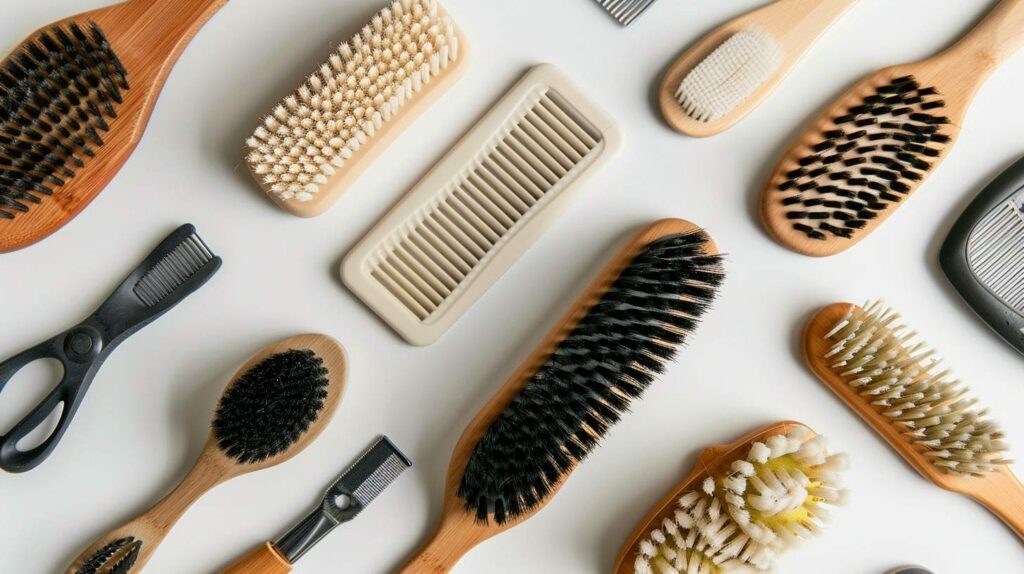
Choosing the right brush matters:
- Undercoat rake / deshedding tool – for double-coated breeds, reaches through the outer coat to remove loose undercoat. The most effective tool for heavy shedders.
- Slicker brush – thin metal tines on a paddle, effective for medium and long-haired single-coat dogs, removes loose hair and prevents matting.
- Rubber curry brush – for short-haired dogs, massages the coat and removes loose hair through friction.
- Metal comb – useful after brushing to check for remaining tangles or loose hair, particularly in feathered areas behind ears and legs.
Brush in the direction of hair growth for everyday use. Brushing against the growth direction can help loosen undercoat but should be done gently and not as the only technique.

2. Bathe Regularly – But Not Too Often
Bathing loosens dead hair and removes dander. For most dogs, bathing every four to six weeks strikes the right balance. More frequent bathing can strip natural skin oils, causing dry skin and – paradoxically – increased shedding.
During heavy shedding periods, a bath followed immediately by thorough blow-drying and brushing is one of the most effective ways to remove a large volume of loose coat at once.
Use a shampoo formulated for dogs – human shampoo pH disrupts the canine skin barrier. Deshedding shampoos containing moisturizing ingredients like aloe, oatmeal, and omega fatty acids help loosen the undercoat while conditioning the skin.
3. Optimize Nutrition
Feed a complete and balanced diet with quality protein as the primary ingredient. Protein is the building block of hair – inadequate protein directly weakens hair structure and increases breakage.
Omega-3 fatty acids – particularly EPA and DHA from fish oil – are the most well-supported dietary supplement for coat health. They reduce skin inflammation, improve hair follicle function, and reduce shedding. A typical therapeutic dose for coat support is 20-55mg of EPA/DHA per kilogram of body weight daily – discuss specific dosing with your vet.
4. Ensure Adequate Hydration
Keep clean water available at all times. If your dog drinks minimally, add a tablespoon of low-sodium broth to the water bowl, use a pet water fountain (many dogs prefer moving water), or add water directly to meals.
5. Maintain Parasite Prevention
Monthly flea and tick prevention eliminates flea allergy dermatitis as a shedding driver. This is one of the most common and most overlooked causes of excessive scratching-related hair loss in dogs.
6. Manage Stress
For dogs whose shedding increases with stress, reducing environmental stressors where possible – providing safe spaces, maintaining routine, using pheromone diffusers if indicated – can help. If anxiety is significant, discuss options with your vet.
7. Keep Up with Vet Visits
Annual wellness exams that include thyroid screening for appropriate breeds allow early detection of medical causes of shedding. Do not wait for shedding to become severe before mentioning it to your vet – it is a useful symptom in assessing overall health.

Managing Dog Hair in the Home
Even with optimal management, a heavy-shedding dog will lose hair in the home. These strategies minimize the impact:
- Vacuum high-traffic areas and furniture two to three times per week rather than waiting for visible accumulation
- Use a microfiber mop or electrostatic broom on hard floors – these attract and hold hair rather than scattering it
- Keep lint rollers in multiple locations – near the door, in the car, at the office
- Designate dog-free zones for furniture if shedding volume is a significant issue
- Wash dog bedding weekly – bedding concentrates shed hair and dander
A robot vacuum programmed for daily runs in main living areas significantly reduces visible hair buildup between deep cleaning sessions.
Frequently Asked Questions About Dog Shedding
Understanding Your Dog’s Shedding
Why has my dog suddenly started shedding much more than usual? The most common causes of sudden increased shedding are seasonal transitions (particularly spring), a change in diet, a recent stressful event, or the beginning of an underlying health issue. If the increase is dramatic, persists beyond two to three weeks, or is accompanied by skin changes or other symptoms, a vet visit is worthwhile. Seasonal shedding resolves on its own. Medical causes need treatment.
My dog has short hair – why do they shed so much? Short-coated dogs often shed heavily because their shorter hair cycles through the growth and shedding phases more rapidly. The individual hairs are less visible in the environment but the overall volume shed can be as high as a long-haired dog. Labradors, Pugs, and Beagles are classic examples of short-haired dogs that shed significantly.
Is it normal for a puppy to shed heavily? Puppies shed their softer puppy coat as their adult coat grows in – this typically happens between 6 and 12 months and can involve significant, sudden-seeming shedding. This is completely normal. The adult coat that replaces the puppy coat may be a different texture and sometimes a slightly different color or pattern.
Managing Shedding
What is the best deshedding tool for a German Shepherd or Husky? For heavy double-coated breeds, an undercoat rake or purpose-built deshedding tool that reaches through the outer coat to the undercoat is the most effective option. These tools pull loose undercoat that a standard brush cannot reach. Use them on a dry coat – not a wet one – and follow up with a slicker brush to smooth the outer coat. During blowing coat season, daily sessions with an undercoat rake dramatically reduce the hair ending up in your home.
Can I shave my double-coated dog to reduce shedding? No – this is one of the most common shedding myths and actually causes harm. Shaving a double-coated dog removes both the insulating undercoat and the protective outer coat simultaneously. The undercoat often grows back faster than the guard hairs, disrupting the coat’s natural structure permanently – a condition called “post-clipping alopecia.” Double-coated dogs should not be shaved except for specific medical reasons under veterinary guidance. Regular brushing and bathing is the correct management for their coat.
How long does seasonal shedding last? The main spring shed typically lasts two to four weeks in dogs that shed seasonally and dramatically. Consistent daily brushing during this period significantly shortens how long the loose coat is visible in the environment. The autumn shed is typically shorter and less dramatic. Dogs kept primarily indoors in climate-controlled environments sometimes shed more continuously year-round rather than in distinct seasonal bursts, because artificial lighting and temperature control partially suppress the natural seasonal trigger.
The Bottom Line
Shedding is a normal, healthy part of a dog’s life – and for owners of heavy-shedding breeds, it is simply a fact of life that consistent management makes tolerable.
The most effective approach is proactive: brush two to four times per week year-round (daily for heavy shedders during peak shedding), use the correct tool for your dog’s coat type, feed a nutrient-complete diet with adequate protein and omega-3s, and keep parasite prevention current.
Sudden changes in shedding pattern, patchy hair loss, or shedding accompanied by skin changes or other symptoms are signals to see a vet rather than simply increase grooming. Most medical causes of excessive shedding are very treatable when caught early.
The goal is not zero shedding – that is not achievable in any dog. The goal is a healthy coat, healthy skin, and a realistic and consistent routine that keeps the fur in your brush rather than on your sofa.
This article is for informational purposes only and does not replace advice from a qualified veterinarian. If your dog’s shedding changes suddenly or is accompanied by skin or health changes, consult your vet.