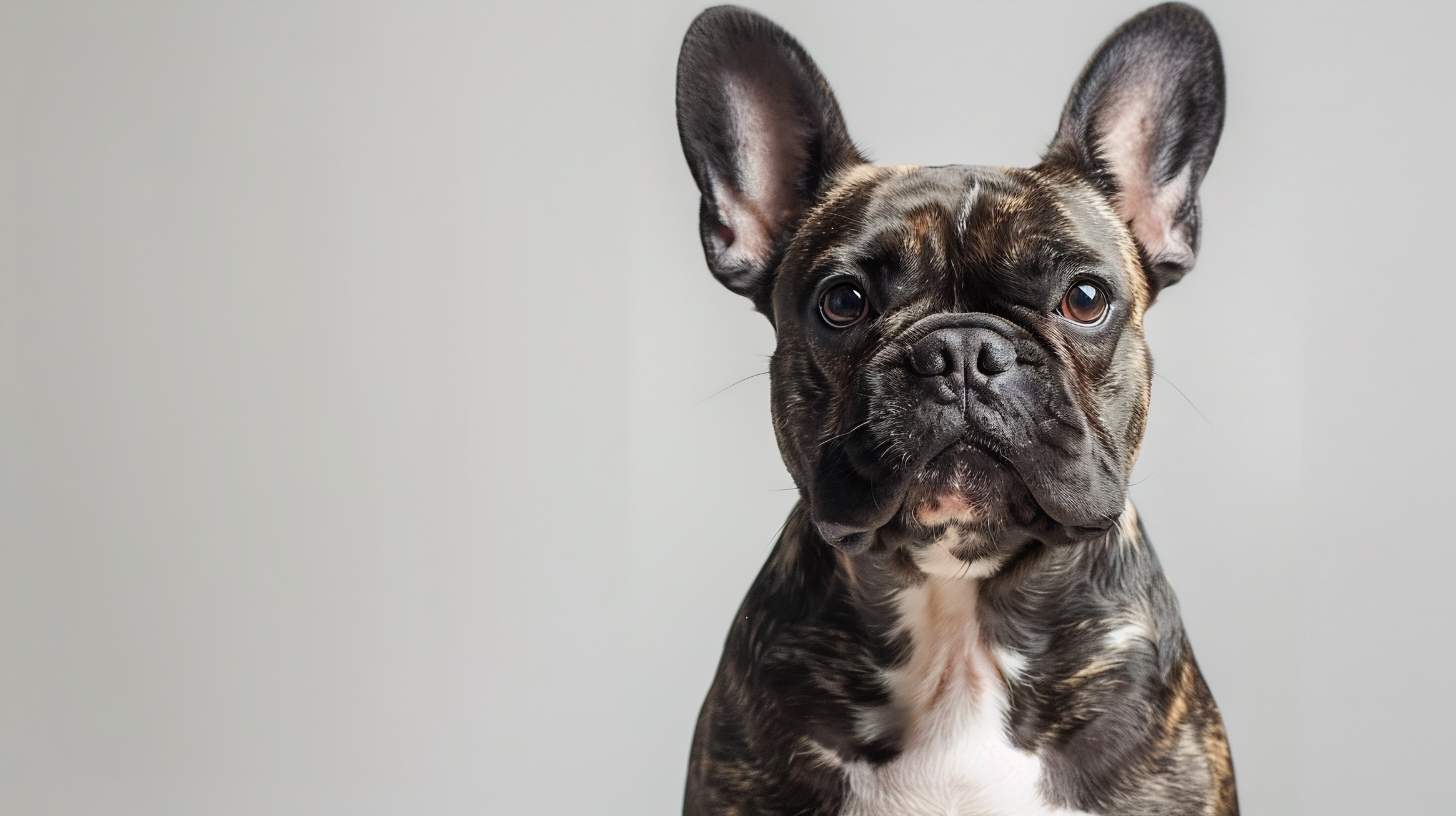
French Bulldog: Complete Breed Guide – Temperament, Care, Health & More (2026)
- 🐕 QUICK ANSWER: FRENCH BULLDOG BREED GUIDE
- ✅ French Bulldogs are affectionate, playful, and adaptable – the most popular dog breed in the United States since 2022
- ✅ Excellent for apartment and city living – low exercise needs and quiet, calm indoor temperament
- ✅ Males and females: 20-28 lbs – compact, muscular, and surprisingly sturdy for their size
- ✅ Friendly with children, strangers, and other pets – one of the most broadly compatible companion breeds
- ✅ Minimal grooming needs – short coat requires only weekly wiping and occasional baths
- ⚠️ Brachycephalic Obstructive Airway Syndrome (BOAS) affects approximately 50% of French Bulldogs – breathing limitations are a lifelong management reality
- ⚠️ French Bulldogs cannot swim – their front-heavy build and flat face make drowning a genuine risk near water
- ⚠️ Heat tolerance is very poor – exercise and outdoor time must be strictly limited above 20°C (68°F)
- ⚠️ Spinal problems including IVDD and hemivertebrae are elevated in the breed – weight management and preventing jumping are important
- ❌ Do NOT exercise a French Bulldog in warm or humid weather – heatstroke risk is extreme and can occur within minutes
- ❌ Do NOT leave a French Bulldog unsupervised near pools, ponds, or any body of water – they cannot keep themselves afloat
- This article is based on breed standards from the American Kennel Club (AKC) and the French Bulldog Club of England, health research from the Royal Veterinary College VetCompass Programme – including a landmark 2013 study examining 2,228 French Bulldogs under veterinary care in the UK – and clinical guidance from veterinary respiratory specialists and neurologists with expertise in brachycephalic breed health.
- Last Updated: May 2026
What Kind of Dog Is a French Bulldog?
Despite its name, the French Bulldog did not originate in France. The breed’s story begins in Nottingham, England, where lace workers in the mid-19th century kept miniaturized Bulldogs as companion and lap dogs. When the lace trade declined and many workers relocated to Normandy, France, they brought their small Bulldogs with them. French breeders were immediately taken with the dogs and crossed them with local ratting terriers and Pugs, refining the breed over several decades into the distinctive bat-eared, compact companion we recognize today.
By the late 19th century, the French Bulldog had become fashionable in Paris and was attracting the attention of wealthy American tourists who brought the breed back to the United States. American breeders deserve credit for establishing the signature upright bat ears as a breed standard – the French, by contrast, initially preferred rose-shaped ears. The AKC officially recognized the breed in 1898.
Through the 20th century, the French Bulldog remained a moderately popular breed, known primarily as a city companion and lap dog. Its extraordinary rise to the top of AKC registrations – from 54th place in 2003 to number one in 2022 – reflects a convergence of factors: urban living trends, social media visibility, celebrity ownership, and a temperament that suits modern apartment lifestyles. However, this rapid popularity increase has also produced a significant wave of irresponsible breeding that has worsened the breed’s already serious health profile.
At a Glance: French Bulldog Quick Reference
| Category | Details |
|---|---|
| AKC group | Non-Sporting Group |
| Origin | England / France, mid-19th century |
| Height | 11-13 inches |
| Weight | 20-28 lbs |
| Lifespan | 10-12 years |
| Energy level | Low to moderate |
| Exercise needed | 20-30 minutes per day – temperature dependent |
| Grooming | Very low – weekly wipe, monthly bath |
| Shedding | Moderate – year-round |
| Trainability | Moderate – intelligent but stubborn |
| Good with children | Excellent |
| Good with other dogs | Generally yes with socialization |
| Good with cats | Generally yes with socialization |
| Good with strangers | Friendly and welcoming |
| BOAS risk | Very high – 50% of breed affected |
| IVDD risk | Moderate-high – chondrodystrophic breed |
| Swimming ability | None – cannot swim safely |
| Heat tolerance | Very poor – strict temperature management required |
| First-time owner suitable | Yes – with realistic health expectations |
French Bulldog Temperament: What to Expect Living With One
The Affectionate, People-Focused Companion
The French Bulldog’s temperament is ideally suited to companion life. Centuries of selection for precisely this purpose have produced a dog that is entertaining, affectionate, and deeply attached to its household. A French Bulldog that receives adequate attention and companionship is a settled, cheerful, and genuinely delightful animal.
Frenchies are alert without being reactive, playful without being boisterous, and affectionate without being clingy in the anxious sense. As a result, they integrate into family life with an ease that reflects their breeding history. Consequently, they are one of the most popular choices for first-time dog owners worldwide.
Social Nature and Separation Sensitivity
French Bulldogs are social dogs that do not thrive in isolation. They form strong bonds with their household and experience genuine distress when left alone for extended periods. Furthermore, separation anxiety is a documented breed tendency – not severe in most individuals, but present enough to require gradual alone-time training from puppyhood and a care plan for owners who work full-time away from home.
Stubbornness in Training
French Bulldogs are intelligent enough to understand what is being asked of them. However, they are independently minded enough to decide whether compliance serves their current interest. This characteristic stubbornness is not defiance – it is the expression of an independent companion dog temperament. Short, positive, food-rewarded training sessions consistently outperform repetitive drills. In contrast, harsh corrections produce anxiety and resistance without improving compliance.
Compatibility
French Bulldogs are broadly socially compatible – with children, other dogs, cats, and strangers. Their even temperament, low prey drive, and social orientation make them one of the most reliable breeds for multi-pet and multi-person households. Moreover, their friendly response to unfamiliar people is consistent regardless of context, which means they are not reliable guard dogs.
The Brachycephalic Reality: What Every Frenchie Owner Must Understand
What BOAS Is
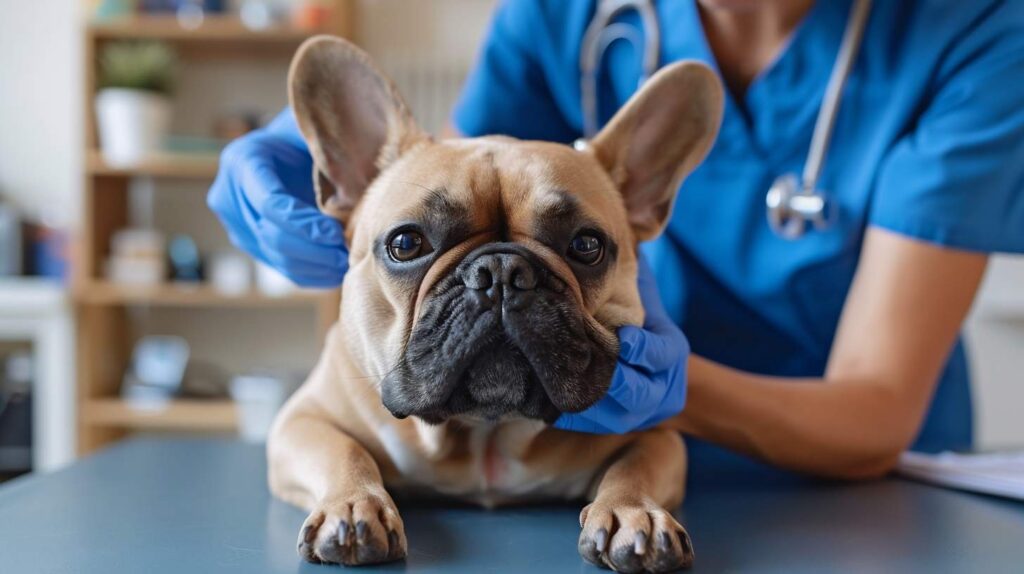
Brachycephalic Obstructive Airway Syndrome is a collection of anatomical abnormalities that affect French Bulldogs because of their deliberately shortened skull. These abnormalities are not occasional complications – they are structural consequences of the breed’s physical type that affect most individuals to some degree.
| Anatomical Feature | Effect | Prevalence |
|---|---|---|
| Stenotic nares (narrow nostrils) | Restricts airflow entering the nose | Very common |
| Elongated soft palate | Partially blocks airway at the back of the throat | Very common |
| Hypoplastic trachea | Narrowed windpipe reduces total airflow capacity | Common |
| Everted laryngeal saccules | Tissue pulled into the airway by breathing effort | Develops secondary to other features |
A French Bulldog with multiple BOAS features experiences constant respiratory compromise. Even at rest, a severely affected dog works harder to breathe than a healthy non-brachycephalic dog does during moderate exercise.
BOAS Grading and Surgical Management
Veterinary specialists assess BOAS severity on a grading scale from 0 (unaffected) to 3 (severely affected). Surgical intervention – widening the nostrils, shortening the soft palate – is available and significantly improves quality of life in affected dogs when performed early.
Therefore, every French Bulldog owner should arrange a respiratory assessment with a veterinarian familiar with brachycephalic breeds before the dog’s first birthday. Early surgical correction in grades 2-3 dogs produces better outcomes than waiting for symptoms to worsen.

Temperature and Exercise Limits
| Temperature | Safe Activity Level |
|---|---|
| Under 15°C (59°F) | Normal short walks appropriate |
| 15-20°C (59-68°F) | Short gentle walks – monitor breathing closely |
| 20-25°C (68-77°F) | Very brief outdoor activity only – 10 minutes maximum |
| Above 25°C (77°F) | Indoor activity only – no outdoor exercise |
| Any temperature with humidity | Apply same restrictions as one tier higher |
These limits are not conservative suggestions – they reflect the physiological reality of a dog that cannot efficiently pant to cool itself. A French Bulldog that overheats can progress to heatstroke and death faster than owners expect.
Spinal Health: IVDD and Hemivertebrae
IVDD in French Bulldogs
Like Dachshunds and other chondrodystrophic breeds, French Bulldogs have premature disc calcification that predisposes them to intervertebral disc disease. Because of this, calcified discs can rupture and compress the spinal cord, causing pain, weakness, and in severe cases paralysis.
| IVDD Prevention Measure | Implementation |
|---|---|
| Weight management | Maintain lean body condition throughout life |
| Ramps for furniture access | Eliminate free jumping on and off furniture |
| Limit stair use | Carry the dog on stairs where possible |
| Avoid rough play involving twisting | Supervise and discourage high-impact landing |
Hemivertebrae
Hemivertebrae are abnormally shaped vertebrae that appear more commonly in French Bulldogs than in most breeds due to the same screw-tail genetics that produce their compact body shape. When these malformed vertebrae occur in the thoracic spine, they can cause spinal cord compression, manifesting as weakness, abnormal gait, or incontinence. As a result, puppies showing any neurological signs should receive spinal imaging promptly.
Health: Common Conditions in French Bulldogs
| Health Condition | Prevalence | Signs to Watch For | Action |
|---|---|---|---|
| BOAS | Very high – ~50% | Noisy breathing, exercise intolerance, blue gums | Respiratory grading by vet – surgery if grade 2-3 |
| Skin fold dermatitis | High | Redness, odor, discharge in facial and tail folds | Daily fold cleaning – vet if infected |
| IVDD | Moderate-high | Back pain, weakness, coordination loss | Ramps, weight management, vet if signs appear |
| Hemivertebrae | Moderate | Weakness, abnormal gait, incontinence | Spinal imaging if neurological signs present |
| Ear infections | High | Head shaking, scratching ears, odor | Regular cleaning – vet if infection develops |
| Allergies (atopic dermatitis) | High | Itching, recurrent skin and ear infections | Dermatology referral – long-term management |
| Eye conditions (corneal ulcers) | Moderate | Eye squinting, discharge, cloudiness | Same-day vet – can cause blindness rapidly |
| Patellar luxation | Moderate | Skipping, holding leg up | Orthopaedic evaluation |
| Elongated soft palate complications | High | Gagging, reverse sneezing, regurgitation | Respiratory specialist evaluation |
Skin Fold Management
The wrinkles and skin folds on a French Bulldog’s face, around the nose rope, and around the tail require daily cleaning to prevent moisture and debris accumulation. Skin fold dermatitis develops rapidly in neglected folds and causes significant pain and infection.
Clean each fold daily with a dry soft cloth or pet-safe wipe. Importantly, ensure folds are completely dry after cleaning – trapped moisture is the primary cause of infection. If you notice any redness, odor, or discharge, veterinary attention is needed promptly.
Grooming: Simpler Than the Coat Suggests
The French Bulldog’s short, smooth coat is one of the breed’s most practical characteristics. Professional grooming is not required.
| Grooming Task | Frequency | Notes |
|---|---|---|
| Coat wiping with rubber mitt | Weekly | Removes loose hair and maintains shine |
| Bathing | Every 4-6 weeks | Dry folds thoroughly after every bath |
| Facial fold cleaning | Daily | Non-negotiable – prevents skin fold dermatitis |
| Tail fold cleaning | Daily | Screw tail creates a pocket that traps debris |
| Ear cleaning | Every 2 weeks | Check for odor and discharge |
| Nail trimming | Every 3-4 weeks | Active dogs partially wear nails |
| Teeth brushing | 3-5 times per week | Small breed dental disease prevention |
Exercise: Minimal but Managed
Daily Requirements
French Bulldogs need only 20-30 minutes of daily exercise – but the temperature restrictions described in the BOAS section make even this modest requirement genuinely challenging during warm weather. In hot months, therefore, early morning walks before 8am and evening walks after sunset are the only safe options.
| Exercise Type | Suitability | Notes |
|---|---|---|
| Short leash walks | Excellent | Primary daily activity – temperature governed |
| Indoor play | Excellent | Fetch, tug, enrichment games – no temperature risk |
| Puzzle feeders and enrichment | Excellent | Mental exercise without respiratory risk |
| Swimming | Never | Cannot swim – drowning risk |
| Running or sustained exercise | Never | Brachycephalic airway cannot support this |
| Dog parks in warm weather | Avoid | Overheating risk from excitement and temperature |
Nutrition and Weight Management
Weight management is critically important for French Bulldogs because excess weight increases pressure on an already compromised airway, accelerates disc disease in a breed predisposed to IVDD, and worsens the heat intolerance that already significantly limits activity.
An adult French Bulldog typically needs 600-900 calories daily. Feed two measured meals using a high-quality small-to-medium breed formula. Never free-feed. Additionally, monitor body condition every few weeks – ribs should be felt easily under a light layer of fat, and a waist should be visible from above.

Is a French Bulldog Right for You?
Owners Who Succeed With French Bulldogs
French Bulldogs thrive with apartment and urban residents who want a calm, affectionate companion, with owners who are home frequently or can arrange quality company during absences, with households that include children of all ages, with owners who approach health management proactively rather than reactively, and with anyone who has budgeted realistically for the breed’s above-average veterinary costs.
Households That Struggle With French Bulldogs
French Bulldogs are consistently challenging for owners who want an active outdoor companion, for those who live in hot climates without reliable air conditioning, for owners unprepared for the potential cost of BOAS surgery and ongoing health management, and for anyone who cannot commit to the daily skin fold cleaning the breed requires.
New puppy? Find a name that fits their personality.
Browse 600+ dog names by gender and personality type — playful, calm, bold, elegant, funny or mysterious.
Try Pet Name FinderFrequently Asked Questions
Are French Bulldogs healthy dogs?
No – they are one of the more health-challenged breeds available. The Royal Veterinary College’s VetCompass Programme found that 72% of French Bulldogs under veterinary care in the UK had at least one health condition. BOAS, skin fold conditions, and spinal problems are the most common. Consequently, responsible ownership requires proactive veterinary management and realistic financial planning. Dogs from health-tested breeding lines generally have better outcomes than those from unscreened high-volume breeders.
Can French Bulldogs be left alone during the day?
For moderate periods – up to 4-6 hours – with appropriate preparation, yes. French Bulldogs are social dogs that prefer company, and longer daily absences can produce anxiety-driven behaviors. Gradual alone-time training from puppyhood, mental enrichment, and a consistent routine produce the best outcomes. Owners working full-time away from home should therefore arrange midday visits or daycare.
Why can’t French Bulldogs swim?
Their physical structure – front-heavy torso, short legs, flat face, and compact body – makes it physically impossible to maintain the head above water. A French Bulldog that falls into deep water sinks rapidly. This is not a trained behavior or a choice – it is a structural reality. For this reason, never allow a French Bulldog near unsupervised water access.
Are French Bulldogs suitable for hot climates?
Only with strict management. A French Bulldog in a hot climate requires air-conditioned indoor living at all times during warm weather, exercise restricted to the coolest hours of the day, constant water access, and vigilant owner awareness of overheating signs. Outdoor-only living in a hot climate is not compatible with French Bulldog ownership.
How much does a French Bulldog cost to own?
Beyond standard vaccination and wellness costs, French Bulldog owners should budget for potential BOAS surgery (typically $1,500-5,000), spinal imaging and management if IVDD develops, and higher-than-average ongoing veterinary visits due to skin, ear, and respiratory conditions. Pet insurance obtained as a puppy before conditions develop is strongly recommended. Overall, total lifetime veterinary costs for a French Bulldog are significantly above the breed average.
Do French Bulldogs bark a lot?
Moderately. They are alert and will announce visitors and unusual sounds, but they are not persistently vocal. Instead, they produce a wide variety of sounds – snorting, grunting, wheezing, and snoring – that are characteristic of the breed and entirely normal. These sounds result from their brachycephalic anatomy rather than communication or distress.
Are French Bulldogs good for first-time dog owners?
Yes – their manageable size, low exercise requirements, gentle temperament, and adaptability to apartment living make them practically accessible. The important caveat is that first-time owners must prepare for the health management realities of a brachycephalic breed and should budget for above-average veterinary costs before acquiring one.
Key Takeaways
- BOAS affects approximately 50% of French Bulldogs – every Frenchie should have a respiratory assessment before their first birthday
- Temperature limits are non-negotiable – outdoor exercise above 20°C creates genuine heatstroke risk in minutes
- French Bulldogs cannot swim under any circumstances – water supervision is a permanent and absolute safety requirement
- Daily skin fold cleaning prevents the most common and painful health problem – it takes under 3 minutes
- IVDD risk requires furniture ramps and weight management as lifelong habits, not optional extras
- Pet insurance from puppyhood is strongly recommended – health costs in this breed are above average
- Sourcing from health-tested breeders significantly improves outcomes – the popularity surge has produced too many poorly bred dogs
- The breed’s genuine appeal is real – its temperament, adaptability, and affectionate nature are consistent and rewarding for the right owner
This article is for informational purposes only. Breed characteristics represent general tendencies and do not predict the behavior or health of any individual dog. Always consult a veterinarian for health advice. Heatstroke is a medical emergency – seek veterinary care immediately if signs are observed.