Can Dogs Eat Apples? Benefits, Risks & Safe Serving Guide (2026)
QUICK ANSWER: CAN DOGS EAT APPLES?
- YES – apples are safe and healthy for dogs in moderation
- Remove the core and seeds before serving – apple seeds contain cyanide compounds
- Cut into small slices or chunks – never serve a whole apple
- Max: a few slices per day – high in natural sugar
- Never: apple seeds, apple core, or apple products with xylitol or added sugar
- This article is based on peer-reviewed veterinary research and nutritional guidelines from the American Kennel Club (AKC) and American Veterinary Medical Association (AVMA).
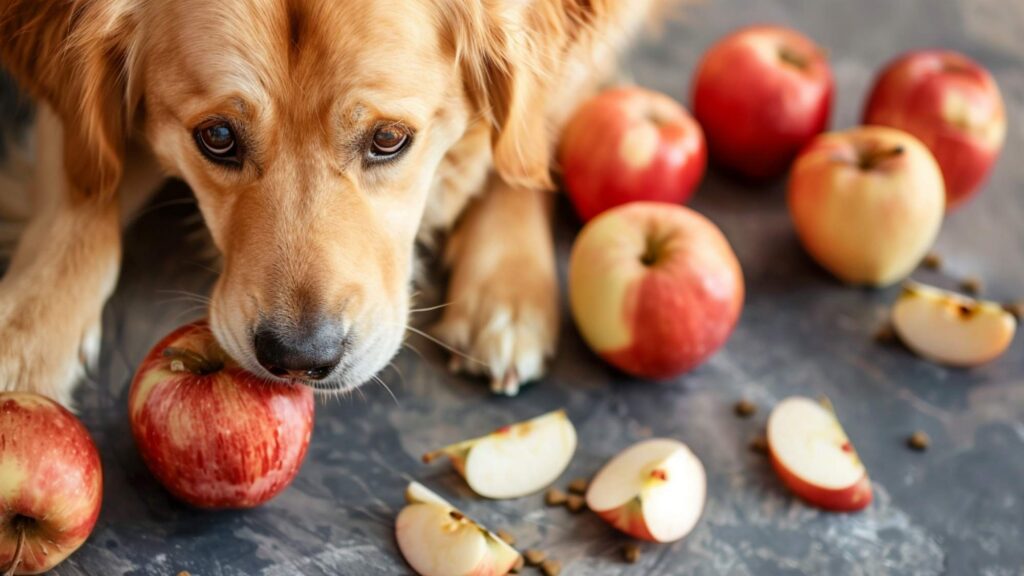
If your dog has ever nudged an apple out of your hand or stood watching hopefully while you snack, you may have wondered: is it safe to share? The good news is yes – apples are one of the most dog-friendly fruits available, packed with useful nutrients and low in calories. However, there are two important rules every owner needs to follow before sharing this crunchy treat.
This complete guide covers everything you need to know about feeding apples to your dog safely – from nutritional benefits and correct serving sizes to the specific parts of the apple that are genuinely dangerous.
New puppy? Find a name that fits their personality.
Browse 600+ dog names by gender and personality type — playful, calm, bold, elegant, funny or mysterious.
Try Pet Name FinderAre Apples Good for Dogs?
Apples offer genuine nutritional benefits for dogs — they are not just an empty treat. Here is what your dog gets from a few apple slices:
| Nutrient | Benefit for Dogs |
|---|---|
| Vitamin C | Supports immune function and joint health |
| Vitamin A | Promotes healthy skin, coat, and vision |
| Dietary fiber | Supports digestive health and regularity |
| Antioxidants | May help reduce inflammation and cellular aging |
| Potassium | Supports heart and muscle function |
| Calcium | Contributes to bone health |
| Water content (~86%) | Contributes to hydration |
Apples are also relatively low in calories and fat, making them a smart treat option for dogs on a weight management plan. A few slices contain around 10–15 calories depending on the size — far less than many commercial dog treats, which often run 30–50 calories per piece.
The fiber content in apples deserves special mention. Apples contain both soluble and insoluble fiber. The soluble fiber — primarily pectin — acts as a prebiotic, feeding beneficial gut bacteria and supporting a healthy microbiome. Insoluble fiber adds bulk to stool and supports regular bowel movements. For dogs that tend toward constipation or irregular digestion, the fiber in apple slices is a genuinely useful addition.

The One Rule You Cannot Skip: Remove Seeds and Core
This is the most critical part of the entire guide. Apple seeds contain amygdalin, a naturally occurring compound that releases small amounts of hydrogen cyanide when metabolized. A single seed is unlikely to cause harm in a medium or large dog, but regular exposure or consumption of many seeds can accumulate to toxic levels — particularly in smaller breeds.
The apple core presents a separate hazard: the firm, dense center is a significant choking risk and can cause a digestive obstruction, particularly in small and medium-sized dogs. The fibrous texture does not break down easily in the digestive tract.
Always remove both the core and all seeds before giving your dog any apple. Cut around the core and inspect each slice for stray seeds before offering. The stem should also be removed — it offers no nutritional benefit and can cause minor irritation to the throat or digestive tract.
What to do if your dog ate apple seeds: One or two seeds are unlikely to cause any problem in a medium or large dog. If a small dog consumed multiple seeds, or any dog swallowed a significant quantity, contact your vet or the ASPCA Animal Poison Control Center (888-426-4435) promptly. Do not wait for symptoms.
How Much Apple Can a Dog Eat?
Apple is a treat, not a meal component. The standard veterinary guideline is that treats — including healthy ones — should make up no more than 10% of a dog’s daily calorie intake.
| Dog Size | Suggested Serving |
|---|---|
| Extra small (under 5 kg) | 1 thin slice |
| Small (5–10 kg) | 1–2 thin slices |
| Medium (10–25 kg) | 2–3 slices |
| Large (25–40 kg) | 3–4 slices |
| Extra large (40 kg+) | 4–5 slices |
Introduce apple gradually if your dog has not eaten it before. Start with a single slice and observe for any digestive upset — loose stools, gas, or vomiting — before making it a regular treat. Most dogs tolerate apple very well, but all new foods should be introduced slowly regardless.
Can Dogs Eat Apple Skin?
Yes — apple skin is safe for most dogs and actually contains higher concentrations of fiber and antioxidants than the flesh alone. The skin is where much of the quercetin and chlorogenic acid — two beneficial antioxidant compounds — are concentrated.
However, some dogs with sensitive stomachs find the skin harder to digest. If your dog shows loose stools after eating apple with skin on, simply peel the apple before serving. The flesh alone still provides excellent nutrition.
Always wash the apple thoroughly before serving, whether peeled or unpeeled. Commercial apples frequently carry pesticide residues on the skin — a thorough rinse under cold running water significantly reduces this risk. If you have access to organic apples, these are preferable for dogs that eat the skin regularly.

Apple Products: What Is Safe and What Is Not
Not every apple-based product is safe for dogs. Many contain added sugar, artificial sweeteners, or other ingredients that are harmful.
| Product | Safe for Dogs? | Notes |
|---|---|---|
| Fresh apple slices | ✅ Yes | Remove seeds and core |
| Unsweetened applesauce | ✅ Yes | Plain only — check ingredients carefully |
| Dried apple slices (unsweetened) | ✅ In small amounts | Higher sugar concentration than fresh |
| Apple juice | ❌ No | Too high in sugar, no fiber benefit |
| Apple pie / baked products | ❌ No | Sugar, spices (nutmeg is toxic), sometimes xylitol |
| Apple cider vinegar | ⚠️ Ask your vet | Sometimes used diluted as supplement |
| Products containing xylitol | ❌ Never | Extremely toxic to dogs |
Xylitol warning: Always check ingredient labels on any packaged apple product before sharing with your dog. Xylitol — an artificial sweetener commonly used in sugar-free foods, gums, and some peanut butters — is highly toxic to dogs and can cause life-threatening hypoglycemia within 30–60 minutes of ingestion. If a product lists xylitol, xylitol is not safe for dogs under any circumstances.
Health Benefits Beyond Basic Nutrition
Beyond vitamins and minerals, apples offer some practical health benefits worth understanding in detail.
Natural teeth cleaning: The crunchy texture of fresh apple slices gently abrades plaque from tooth surfaces as the dog chews. This mechanical cleaning action is beneficial, though it is not a replacement for proper dog teeth cleaning through regular brushing and professional dental care. Think of apple slices as a supplementary dental benefit rather than a primary dental care strategy.
Digestive support: The pectin in apples is a soluble fiber that feeds beneficial gut bacteria, supporting a healthy microbiome. It can also help firm up loose stools in dogs with minor digestive irregularities. For dogs prone to constipation, the fiber content provides gentle, natural support. Pectin has also been studied for its potential to reduce cholesterol absorption and moderate blood sugar spikes.
Low-calorie training reward: For dogs on a calorie-restricted diet due to overweight or obesity, apple slices make an excellent reward during training sessions. Ten to fifteen calories per serving is significantly less than most commercial treats while remaining highly palatable to most dogs. The sweet flavor is intrinsically rewarding for many breeds.
Hydration contribution: At approximately 86% water content, apple slices contribute to daily fluid intake — particularly useful during warm weather or for dogs that do not drink enough water naturally.
Did your dog eat something dangerous? Find out right now.
Enter what they ate and their weight — get an instant toxicity assessment for 35+ substances.
Check Toxicity NowHow Apples Compare to Other Dog-Safe Fruits
| Fruit | Safe? | Calories (per 100g) | Key Benefit | Key Risk |
|---|---|---|---|---|
| Apple | ✅ Yes | 52 | Fiber, vitamins, dental | Remove seeds and core |
| Blueberries | ✅ Yes | 57 | Antioxidants, low calorie | Easy to overfeed |
| Banana | ✅ Yes | 89 | Potassium, energy | High sugar |
| Watermelon | ✅ Yes | 30 | Hydration, Vitamin A | Remove seeds and rind |
| Strawberries | ✅ Yes | 32 | Vitamin C, fiber | Moderate sugar |
| Mango | ✅ Yes | 60 | Vitamins A, C, E | Remove skin and pit |
| Grapes | ❌ Never | — | None | Fatal kidney failure |
| Cherries | ❌ Never | — | None | Cyanide in pits |
Apple compares very favorably — moderate calories, genuine nutritional value, and the unique benefit of the crunchy texture that supports dental health. Among readily available, affordable fruit options, it is one of the best choices for dogs.

Apples and Specific Dog Health Conditions
Dogs with Diabetes
Apple contains natural fructose and has a moderate glycemic index. Diabetic dogs should not eat apple without explicit veterinary approval. If your vet permits it, keep portions very small — one thin slice maximum — and monitor blood glucose response carefully. The fiber in apple does slow sugar absorption somewhat, but this does not make apples freely safe for diabetic dogs.
Overweight Dogs
Apple is an excellent treat for dogs managing their weight. The low calorie count, high water content, and high fiber content make it filling relative to its calorie load. Many veterinary nutritionists recommend replacing high-calorie commercial treats with fresh fruit and vegetables like apple slices during weight management programs. The sweet taste also makes apple highly motivating for dogs, which matters for training compliance.
Dogs with Kidney Disease
Apples are relatively low in phosphorus and potassium compared to many fruits, which makes them a more kidney-friendly option than bananas or oranges. However, any dog with diagnosed kidney disease should have dietary additions reviewed by a veterinarian before implementation — what is appropriate depends on the stage and specific dietary restrictions in place.
Dogs with Sensitive Stomachs
Introduce apple very gradually — a single thin slice on the first offering, waiting 24 hours before offering more. The fiber content, while beneficial for most dogs, can cause loose stools or gas in dogs with very sensitive digestive systems if introduced too quickly. Peeling the apple removes a significant portion of the fiber load and may help sensitive dogs tolerate it better.
Senior Dogs
Older dogs often benefit from the antioxidants in apples, which may support joint health and immune function. However, senior dogs often have reduced digestive efficiency — introduce apple slowly and ensure pieces are cut small enough to chew comfortably. Senior dogs with dental disease may find hard apple slices uncomfortable — cooked or pureed unsweetened apple is a softer alternative.
How to Serve Apple to Your Dog
Plain slices: The simplest and best option — core and seeds fully removed, cut into bite-sized pieces appropriate to the dog’s size, served fresh at room temperature.
Frozen apple slices: Freeze slices on a parchment-lined tray until solid, then store in a bag. Serve directly from frozen as a refreshing hot-weather treat. Note that dogs with dental disease or tooth sensitivity should not eat hard frozen items.
Apple with peanut butter: A small amount of xylitol-free peanut butter spread on an apple slice is a popular and highly palatable treat combination. Confirm the peanut butter contains no xylitol before using.
Mixed fruit bowl: Combine apple slices with blueberries, banana pieces, or watermelon chunks for a varied fruit snack. All are dog-safe in moderation.
Kong stuffing: Mash a few pieces of apple and mix with plain unsweetened peanut butter to stuff a Kong toy. Freeze it for extended chewing enjoyment and mental stimulation.
As training treats: Apple slices broken into small pieces work well as training rewards — low calorie, palatable, and easy to carry in a treat pouch without getting greasy or crumbling.
Signs of Too Much Apple
Overfeeding any fruit causes digestive upset in dogs. Watch for these signs if your dog ate a larger portion than usual:
- Loose stools or diarrhea
- Flatulence and stomach gurgling
- Reduced appetite
- Mild lethargy
These symptoms typically resolve within 24 hours as the excess fiber works through the system. If your dog ate apple seeds or core alongside the flesh, or if symptoms are severe or prolonged, contact your vet.
Frequently Asked Questions
Nutrition, Safety & Serving
Q: Can puppies eat apples? A: Yes, puppies can eat apple slices following the same rules — seeds and core fully removed, cut into very small pieces. Puppies have more sensitive digestive systems than adults, so start with a single small piece and monitor carefully before offering more. Avoid apple for puppies under 8 weeks of age.
Q: Are all apple varieties safe for dogs? A: Yes — Red Delicious, Granny Smith, Fuji, Gala, Honeycrisp, and all other common apple varieties are equally safe. The differences in tartness and sweetness have no safety implications. Green apples are simply higher in malic acid, which is safe for dogs.
Q: Can dogs eat cooked apples? A: Plain cooked apple without added sugar, spices, butter, or salt is safe in small amounts. Cooking reduces vitamin content and eliminates the dental-cleaning benefit of the crunchy texture. Plain baked or steamed apple is occasionally useful as a bland food addition for dogs with digestive upset.
Q: How often can I give my dog apples? A: A few slices several times per week is perfectly reasonable for most dogs. Daily small servings are also fine — apple is one of the safer fruit treats to incorporate regularly, as long as total treat intake stays within the 10% calorie guideline.
Specific Dogs & Situations
Q: Can diabetic dogs eat apples? A: Only with veterinary approval and in very small quantities. The natural fructose in apples raises blood sugar, which requires careful management in diabetic dogs. The fiber content moderates the effect somewhat, but apples should still be considered a careful, limited option for diabetic dogs.
Q: My dog stole and ate a whole apple — what do I do? A: Monitor carefully for signs of choking, abdominal discomfort, or distress. If the apple had seeds and a core and your dog is small, contact your vet. If your dog is medium or large and ate a standard apple including some seeds, watch for any unusual symptoms over the next 24 hours but a single incident is unlikely to cause serious harm. Vomiting, lethargy, or abdominal pain warrant a vet call.
Related Articles
- Can Dogs Eat Bananas? — Another popular fruit treat with solid nutritional benefits
- Can Dogs Eat Blueberries? — Antioxidant-packed berries that dogs love
- Can Dogs Eat Watermelon? — Refreshing and hydrating summer treat
- Dog Constipation: Causes, Home Remedies & When to See a Vet — Apple fiber can support healthy digestion
This article is for informational purposes only. For health concerns, always consult a licensed veterinarian