
Can Dogs Eat Blueberries? Benefits, Risks & How to Serve Them Safely
You’re eating a bowl of blueberries and your dog is giving you that look. You wonder: are blueberries actually safe for dogs?
Not only are they safe — blueberries are one of the healthiest treats you can share with your dog.
They’re packed with antioxidants, low in calories, and most dogs love them. But like any treat, there are important things to know about portions, preparation, and which dogs should be cautious.
This complete guide covers everything about dogs and blueberries.
New puppy? Find a name that fits their personality.
Browse 600+ dog names by gender and personality type — playful, calm, bold, elegant, funny or mysterious.
Try Pet Name FinderCan Dogs Eat Blueberries?
Yes — blueberries are safe for dogs.
They’re non-toxic, nutrient-dense, and genuinely beneficial. Blueberries are actually one of the most recommended fruit treats for dogs by veterinary nutritionists.
The rule: Fresh or frozen plain blueberries in appropriate portions = excellent treat for most dogs.

Health Benefits of Blueberries for Dogs
1. Exceptionally High in Antioxidants
Blueberries are among the highest antioxidant foods available.
Key antioxidants:
- Anthocyanins (give blueberries their deep blue color)
- Quercetin
- Resveratrol
- Vitamin C
- Vitamin E
Benefits for dogs:
- Neutralize free radicals that damage cells
- Reduce inflammation throughout the body
- Support immune function
- May help reduce risk of chronic diseases
- Particularly beneficial for aging dogs
2. Rich in Fiber
Supports digestive health.
- Promotes healthy bowel movements
- Supports beneficial gut bacteria
- Helps dogs feel satisfied
- May help manage weight
3. Low in Calories
Perfect guilt-free treat.
- Approximately 1 calorie per blueberry
- One of the lowest-calorie fruit treats available
- Excellent for dogs on weight management plans
- You can give more without worrying about calorie overload
4. High Water Content
About 85% water.
- Hydrating snack
- Refreshing in warm weather
- Supports overall fluid intake
5. Contains Important Vitamins and Minerals
Nutritional profile:
- Vitamin C: Immune support, antioxidant
- Vitamin K: Blood clotting, bone health
- Manganese: Bone development, metabolism
- Vitamin E: Skin and coat health
- Potassium: Heart and muscle function
6. Brain Health Benefits
Particularly valuable for senior dogs.
Research in both humans and animals suggests anthocyanins support:
- Cognitive function
- Memory
- May slow cognitive decline in aging dogs

7. Anti-Inflammatory Properties
Helpful for dogs with:
- Arthritis
- Inflammatory conditions
- Post-exercise recovery
- Chronic inflammation
Are There Any Risks?
Blueberries are very safe — but there are a few things to watch.
Did your dog eat something dangerous? Find out right now.
Enter what they ate and their weight — get an instant toxicity assessment for 35+ substances.
Check Toxicity Now1. Sugar Content
Natural sugar is present but relatively low.
- Lower sugar than many other fruits
- Still a consideration for:
- Diabetic dogs
- Overweight dogs
- Dogs with pancreatitis
2. Choking Hazard
For very small dogs.
- Standard blueberries are generally small enough to be safe
- For tiny breeds: cut in half just to be safe
- Frozen blueberries can be very firm — monitor small dogs
3. Digestive Upset from Too Many
Too many blueberries can cause:
- Diarrhea
- Loose stools
- Stomach discomfort
- Gas
Stick to appropriate portions.
4. Allergic Reactions
Uncommon but possible.
First time: Give 1-2 blueberries and wait a few hours before giving more.
Signs of allergic reaction:
- Itching or hives
- Swelling
- Vomiting
- Digestive upset

How Many Blueberries Can a Dog Eat?
Treats should be no more than 10% of daily caloric intake.
| Dog Size | Suggested Serving |
|---|---|
| Extra small (under 10 lbs) | 2-3 blueberries |
| Small (10-20 lbs) | 3-5 blueberries |
| Medium (20-50 lbs) | 5-10 blueberries |
| Large (50+ lbs) | 10-15 blueberries |
Frequency: A few times per week — not every day.
First time: Start with just 2-3. Watch for any reaction.
How to Serve Blueberries to Your Dog
Preparation is simple.
Fresh blueberries:
- Wash thoroughly under cold water
- Pesticides are commonly used on blueberries
- Choose organic when possible
- Serve whole (cut in half for tiny breeds)
Frozen blueberries:
- Excellent summer treat
- Many dogs love the cold, firm texture
- Can be used straight from freezer
- Monitor very small dogs with hard frozen berries
Mashed/pureed:
- Mix into food as a topper
- Good for picky dogs or seniors
Mixed with other safe fruits:
- Combine with strawberries, seedless watermelon, banana
- Colorful, nutritious fruit salad
Stuffed Kong:
- Mix blueberries with plain xylitol-free yogurt
- Stuff into Kong, freeze overnight
- Long-lasting enriching treat
Training treats:
- Small, low-calorie, easy to carry
- Great high-value reward during training sessions

Fresh vs. Frozen vs. Dried Blueberries
| Type | Safe? | Notes |
|---|---|---|
| Fresh | ✅ Yes | Best option |
| Frozen | ✅ Yes | Great treat, watch very small dogs |
| Dried | ⚠️ Caution | Much higher sugar concentration — very small amounts only |
| Blueberry products (muffins, jam, juice) | ❌ No | Added sugar, possible xylitol, other harmful ingredients |
Always check labels on any blueberry product — xylitol is deadly to dogs.
Safe vs. Unsafe Berries for Dogs
Not all berries are equal.
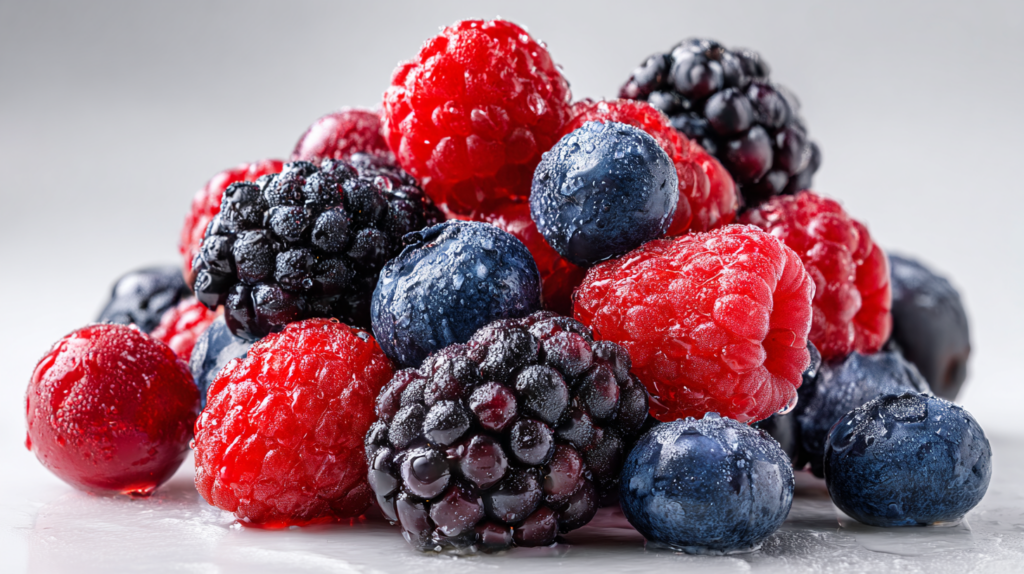
Safe berries:
- Blueberries ✅
- Strawberries ✅
- Raspberries ✅ (small amounts — contain natural xylitol in tiny quantities)
- Blackberries ✅ (small amounts)
- Cranberries ✅ (plain, small amounts — very tart)
UNSAFE berries — never give:
- Grapes and raisins ❌ (cause acute kidney failure — extremely dangerous)
- Holly berries ❌ (toxic)
- Juniper berries ❌ (toxic)
- Mistletoe berries ❌ (toxic)
- Baneberries ❌ (toxic)
- Pokeberries ❌ (toxic)
When in doubt about any berry: don’t give it.
Common Questions
Q: Can puppies eat blueberries? A: Yes, but in very small amounts. Start with 1-2 and watch for any reaction. Puppy digestive systems are more sensitive. Always plain and fresh.
Q: Can dogs eat blueberry muffins or blueberry yogurt? A: No. These contain added sugar, potentially harmful ingredients, and some may contain xylitol. Only plain fresh or frozen blueberries are safe.
Q: My dog ate a large amount of blueberries. What should I do? A: Watch for diarrhea, vomiting, and stomach discomfort. Provide fresh water. Most dogs recover within 24 hours. Contact vet if symptoms are severe or last longer.
Q: Are blueberries good for dogs with cancer? A: The antioxidants in blueberries may have supportive benefits, but they are not a treatment. Always follow your veterinarian’s guidance for dogs with cancer. Blueberries can be a healthy addition to a balanced diet under veterinary supervision.
Q: Can blueberries help my dog’s arthritis? A: The anti-inflammatory compounds may provide mild support. Not a replacement for veterinary treatment, but a healthy dietary addition alongside proper arthritis management.
Q: Do blueberries need to be peeled for dogs? A: No — the skin is completely safe and contains most of the beneficial antioxidants. Just wash well.
Signs Your Dog Had Too Many Blueberries
Watch for:
- Loose stools or diarrhea
- Vomiting
- Stomach gurgling
- Gas or bloating
- Lethargy
What to do:
- Stop giving blueberries
- Provide fresh water
- Feed a bland diet if stomach upset persists
- Contact vet if symptoms are severe or last more than 24 hours
The Bottom Line
Blueberries are one of the best treats you can give your dog — safe, nutritious, low-calorie, and genuinely beneficial.
Key takeaways:
Safe for most dogs: Non-toxic and packed with nutrients.
One of the healthiest fruit treats: High antioxidants, low calories, anti-inflammatory.
Serve fresh or frozen: Plain only — no blueberry products with added sugar.
Portion control: 2-15 blueberries depending on dog size, a few times per week.
Avoid for: Diabetic dogs (consult vet), dogs with pancreatitis.
Watch for xylitol: Always check labels on any blueberry products.
Grapes are deadly: Never confuse safe berries with grapes or raisins.
Does your dog love blueberries? What’s their favorite healthy treat? Share in the comments!
This article provides general information. Consult your veterinarian before introducing new foods, especially if your dog has health conditions.