Shiba Inu: Complete Breed Guide – Temperament, Care, Health & More (2026)
- 🐕 QUICK ANSWER: SHIBA INU BREED GUIDE
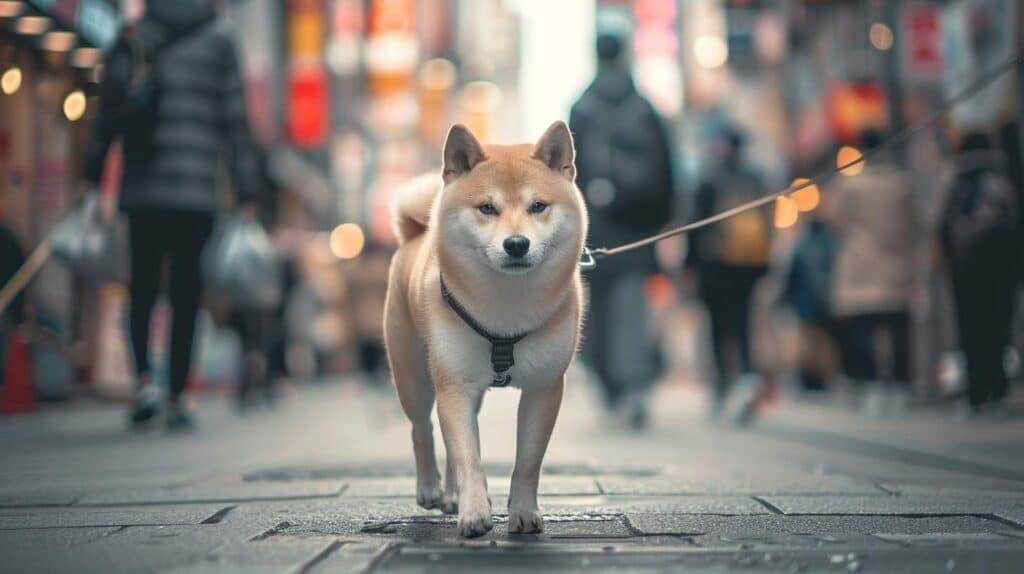
- ✅ Shiba Inus are alert, agile, and deeply loyal – Japan’s most popular native dog breed and one of the oldest in the world
- ✅ Small to medium size: Males 23 lbs, Females 17 lbs – compact, athletic, and surprisingly capable for their size
- ✅ Naturally clean with minimal odor – they self-groom like cats and are easy to keep tidy
- ✅ Adapted to apartment living when adequately exercised – their moderate size suits urban environments
- ✅ Bold, confident personality with a strong sense of self – often described as “cat-like” in their independence
- ⚠️ The Shiba Scream is real – Shiba Inus produce a loud, piercing cry when distressed, restrained, or displeased
- ⚠️ Recall is extremely unreliable – Shiba Inus off-leash in unfenced areas are a genuine safety risk
- ⚠️ High prey drive – they will chase and pursue small animals with focused intensity
- ⚠️ Stubbornness in training is significant – they understand commands but apply independent judgment about compliance
- ❌ Do NOT trust a Shiba Inu off-leash in an unfenced area – their prey drive and independence make recall essentially unreliable
- ❌ Do NOT use harsh, punitive training – it produces anxiety and reactive behavior in a breed that responds only to patient positive reinforcement
- This article draws on breed standards from the National Shiba Club of America (NSCA) and the Nihon Ken Hozonkai (NIPPO) – the Japanese native breed preservation society – health research from the NSCA Health Committee, and clinical guidance from veterinary dermatologists and cardiologists with expertise in Japanese spitz breed health.
- Last Updated: May 2026
What Kind of Dog Is a Shiba Inu?
Ancient Origins
The Shiba Inu is one of the most ancient dog breeds on Earth. Archaeological evidence places Shiba-type dogs in Japan as early as 300 BC, and DNA analysis consistently identifies the Shiba Inu as one of the basal dog breeds – meaning it diverged earliest from the wolf ancestor and shares fewer genetic changes with modern domesticated dogs than most other breeds. In the most literal genetic sense, it is one of the closest living relatives to the original domestic dog.
The name Shiba Inu carries two possible meanings in Japanese. Shiba means brushwood – referring to the dense mountain shrubland where the dogs hunted – and Inu means dog. Alternatively, some scholars suggest shiba also carries the meaning small in an older dialect, making Shiba Inu simply “small dog.” Both interpretations are plausible given the breed’s history.
For centuries, hunters used the Shiba Inu in the mountainous regions of central Japan, flushing small game birds and other animals from the dense underbrush that larger dogs could not navigate. Its compact size, agility, and quick reactions suited this role perfectly.
Near-Extinction and Recovery
Like the Akita, the Shiba Inu came close to extinction during World War II. Bombing raids destroyed much of Japan’s breeding stock, and a post-war distemper epidemic further devastated the population. By 1952, the total Shiba Inu population had fallen to critically low numbers. Consequently, Japanese breed preservation societies organized a recovery program and rebuilt the breed from three surviving bloodlines: the Shinshu Shiba, the Mino Shiba, and the Sanin Shiba.
A military family brought the first Shiba Inu to the United States in 1954 upon returning from Japan, and the AKC recognized the breed in 1992. Additionally, the breed’s international explosion in popularity came largely through internet culture – the “Doge” meme featuring a Shiba Inu named Kabosu, launched in 2013, became one of the most widely recognized internet images in history and introduced the breed to a global audience far beyond traditional dog enthusiast circles.

At a Glance: Shiba Inu Quick Reference
| Category | Details |
|---|---|
| AKC group | Non-Sporting Group |
| Origin | Japan – ancient breed, 300 BC evidence |
| Male height | 14.5-16.5 inches |
| Female height | 13.5-15.5 inches |
| Male weight | 23 lbs |
| Female weight | 17 lbs |
| Lifespan | 13-16 years |
| Energy level | Moderate to high |
| Exercise needed | 45-60 minutes per day |
| Grooming | Moderate – double coat with seasonal shedding |
| Shedding | Moderate year-round – heavy seasonal blows |
| Trainability | Moderate – intelligent but highly independent |
| Good with children | Moderate – better with older children |
| Good with other dogs | Variable – can be selective |
| Good with cats | Risky – high prey drive |
| Recall reliability | Very low – never trust off-leash |
| The Shiba Scream | Real – distress vocalization can be extreme |
| Apartment suitable | Yes with adequate exercise |
| First-time owner suitable | Not recommended |
Shiba Inu Temperament: What to Expect Living With One
The Three Traits That Define the Shiba
Japanese breed enthusiasts describe the Shiba Inu’s ideal character using three concepts: kan-i (spirited boldness), ryosei (good nature), and soboku (alertness and natural beauty). Together these capture a dog that is confident without aggression, affectionate without dependence, and alert without anxiety.
In practical domestic terms, Shiba Inus are deeply loyal to their family while remaining dignified and selective in expressing affection. Furthermore, they are curious and alert about everything in their environment. They are also confident and self-assured in a way that small breeds rarely are, remaining strongly independent in their decision-making at all times.
The Cat-Like Quality
Owners consistently describe Shiba Inus as cat-like, and the comparison is apt in several ways. First, they are clean dogs that self-groom extensively. Unlike many small breeds, the Shiba also chooses when physical contact occurs rather than tolerating handling on demand. Moreover, the breed carries a presence and dignity that larger spitz breeds also possess, but in the Shiba’s compact form it creates an impression of self-possession that surprises people expecting a small, compliant dog.

The Shiba Scream
The Shiba Scream is not a myth or an exaggeration. When a Shiba Inu is distressed, restrained against its will, perceives something as threatening, or simply objects strongly to what is being asked of it, it can produce a loud, high-pitched, piercing sound that genuinely alarms anyone not expecting it. Specifically, the scream can trigger during nail trimming, veterinary examinations, being picked up, being restrained during grooming, or receiving an unwelcome command.
Training nail trimming and grooming tolerance from puppyhood, combined with positive desensitization to handling, significantly reduces screaming episodes. However, owners cannot eliminate it entirely – it is a genuine vocalization of strong feeling in a breed that expresses itself directly.
Possessiveness and Resource Guarding
Shiba Inus can be possessive over food, toys, and favored resting spots. This resource guarding tendency requires proactive management through training from puppyhood, particularly in households with children. Trading exercises – teaching the dog to exchange valued items for high-value rewards – address this effectively when owners start them early.
Exercise Requirements: Deceptively Athletic
Despite their small size, Shiba Inus need 45-60 minutes of daily exercise. Their hunting heritage means they have genuine endurance and a drive for activity that proportionally exceeds many larger breeds. As a result, owners who underestimate this requirement consistently report behavioral problems.
| Exercise Type | Suitability | Notes |
|---|---|---|
| Leash walks in varied environments | Excellent | Primary daily activity – mental engagement from sniffing |
| Hiking and trail walking | Excellent | Mental and physical engagement together |
| Off-leash in securely fenced area | Good | Must be truly secure – Shiba Inus test every fence |
| Dog parks | Use with caution | Selective compatibility with other dogs |
| Running with owner | Good | After physical maturity – 12-18 months |
| Off-leash in unfenced areas | Never | Prey drive and independence – do not attempt |
Fence Security
Like Siberian Huskies and other independent northern breeds, Shiba Inus are capable escape artists. They test fence perimeters systematically, exploit gaps and weak points, and in some cases climb. Therefore, any yard housing a Shiba Inu must be genuinely secure – standard suburban fencing without gap inspection is insufficient.
Grooming: The Self-Cleaning Dog
The Shiba Inu’s double coat – a soft, dense undercoat beneath harsh, straight outer guard hairs – sheds year-round and produces two heavy coat blows annually. Outside of blow periods, weekly brushing manages normal shedding. During blow periods, however, daily brushing is essential to prevent the dense undercoat from matting and to manage indoor hair accumulation.
| Grooming Task | Frequency | Notes |
|---|---|---|
| Brushing (regular periods) | Weekly | Slicker brush and undercoat rake |
| Brushing (coat blow periods) | Daily | Spring and autumn – undercoat releases in quantity |
| Bathing | Every 6-8 weeks | Shiba Inus keep themselves clean – overbathing strips coat oils |
| Ear cleaning | Every 2 weeks | Check for debris and odor |
| Nail trimming | Every 3-4 weeks | Introduce early – Shiba Scream risk during nail trims |
| Teeth brushing | 3-5 times per week | Dental disease prevention |
Never Shave a Shiba Inu
As with all double-coated breeds, shaving a Shiba Inu is harmful. The double coat regulates temperature in both directions and removing it exposes the skin to UV damage while disrupting the natural thermoregulation system. Additionally, post-clipping alopecia can permanently alter coat structure. Instead, manage heat through exercise timing and shade.
Health: Common Conditions in Shiba Inus
Shiba Inus are generally a healthy, long-lived breed with an above-average lifespan for their size. However, several conditions occur at elevated rates.
| Health Condition | Prevalence | Signs to Watch For | Action |
|---|---|---|---|
| Allergies (atopic dermatitis) | High | Itching, recurrent skin and ear infections | Dermatology referral – long-term management |
| Patellar luxation | High | Skipping, holding leg up | Orthopaedic evaluation – surgical correction if severe |
| Hip dysplasia | Moderate | Stiffness, reluctance to exercise | OFA evaluation on both parents |
| Progressive retinal atrophy (PRA) | Moderate | Night blindness progressing | Annual eye exam, DNA testing |
| Hypothyroidism | Moderate | Weight gain, lethargy, coat changes | Annual thyroid panel |
| Glaucoma | Moderate | Eye pain, cloudiness, vision loss | Annual eye exam – prompt vet if eye changes |
| Epilepsy | Low-moderate | Seizures | Neurological evaluation |
| Chylothorax | Low – breed-specific | Breathing difficulty, reduced activity | Veterinary imaging |
Skin Allergies: The Most Common Shiba Health Problem
Shiba Inus are predisposed to atopic dermatitis – environmental allergies that manifest as persistent itching, recurrent ear infections, and skin inflammation. The condition is chronic and therefore requires ongoing management rather than a one-time cure. Veterinary dermatology referral for allergy testing identifies specific triggers, and management options include immunotherapy, dietary modification, and targeted medication.
Training: Working With the Independent Spitz Mind
Shiba Inus are intelligent dogs – but they apply their intelligence to their own ends rather than their handler’s satisfaction. The same self-reliance that made them effective solo hunters in mountain terrain produces a dog that evaluates every command independently and complies when it sees reason to. This is not willful defiance – it is the behavioral expression of a breed that was never selected for the handler-directed biddability of retrieving or herding breeds.
| Training Element | Effectiveness | Notes |
|---|---|---|
| High-value food rewards (real meat) | Excellent | Primary motivator – standard treats often insufficient |
| Short sessions (5-10 minutes) | Best results | Shiba Inus disengage rapidly from repetitive training |
| Positive reinforcement only | Essential | Any aversive method produces shutdown or reactive behavior |
| Consistency across all household members | Critical | Shiba Inus exploit inconsistency with precision |
| Managing expectations | Required | Shiba Inus will never be Border Collie obedient |
Priority Training Areas
| Priority | Why It Matters |
|---|---|
| Recall (though always limited) | Safety – reduce risk in accidental off-leash situations |
| Leash manners | Pulling is default – front-clip harness helps significantly |
| Handling tolerance (nail trims, grooming) | Prevents Shiba Scream escalation |
| Resource guarding prevention | Possessiveness tendency requires early management |
| Socialization from puppyhood | Foundation of appropriate dog and stranger interaction |
Is a Shiba Inu Right for You?
Owners Who Succeed With Shiba Inus
Shiba Inus thrive with experienced dog owners who appreciate an independent, cat-like personality. In addition, they suit active individuals or couples who exercise daily. The breed’s moderate size makes it practical for apartment environments. Above all, owners patient enough to work with a training partner that learns quickly but complies selectively will find the Shiba Inu an extraordinarily rewarding companion.
Households That Struggle With Shiba Inus
Shiba Inus are consistently challenging for first-time dog owners who expect consistent obedience. Similarly, they struggle in families with young children who may trigger resource guarding or receive the Shiba Scream. Households with cats or small pets that activate prey drive, and owners who want reliable off-leash freedom, will also find the breed frustrating.
New puppy? Find a name that fits their personality.
Browse 600+ dog names by gender and personality type — playful, calm, bold, elegant, funny or mysterious.
Try Pet Name FinderFrequently Asked Questions
Shiba Inu Behavior and Personality
What is the Shiba Scream? The Shiba Scream is a loud, high-pitched vocalization Shiba Inus produce when strongly distressed, restrained, or objecting to something. It is one of the most distinctive sounds in the dog world and surprises anyone who encounters it without prior warning. Notably, owners cannot train it away entirely – it is a genuine vocal expression of strong feeling. However, training handling tolerance from puppyhood significantly reduces how often it triggers.
Are Shiba Inus good apartment dogs? Yes, with adequate daily exercise. Their moderate size, relatively quiet indoor temperament, and low odor make them practical for apartment living. The exercise requirement – 45-60 minutes daily – must be met regardless of weather. Furthermore, their fence-testing tendency and prey drive mean outdoor time must be in secure areas only.
Do Shiba Inus get along with other dogs? Variably. Shiba Inus that owners socialize from puppyhood are typically tolerant of other dogs without being particularly social. Some individuals are selectively aggressive toward certain dogs – particularly those of the same sex. Although same-sex aggression is less pronounced than in Akitas, it is present in some individuals. Consequently, dog parks require careful assessment of the individual dog’s social history before use.
Why is the Shiba Inu called the Doge dog? The “Doge” meme originated in 2013 with a photo of a Shiba Inu named Kabosu, owned by Japanese kindergarten teacher Atsuko Sato. The photo showed Kabosu sitting on a sofa with a sideways glance, and the internet community added multicolored Comic Sans text around it. As a result, the meme became one of the most widely circulated internet images in history, introducing the Shiba Inu to global audiences who had never previously encountered the breed.
Shiba Inu Health and Heritage
How long do Shiba Inus live? Typically 13-16 years – one of the longer lifespans for a breed of their size. Dogs from health-tested lines that receive appropriate weight management, daily dental care, and regular veterinary attention consistently live toward the higher end of this range. In addition, allergy management and annual eye exams contribute to quality of life in the later years.
Are Shiba Inus related to Akitas? Both are Japanese native breeds that NIPPO preserves, but they are distinct breeds. The Shiba Inu is the smallest of the six native Japanese breeds – the Akita is the largest. Although both share spitz characteristics and the basal genetic profile of ancient Japanese dogs, hunters developed them in different regions for different purposes, giving them distinct breed standards.
What are the three ancient Shiba Inu bloodlines? The modern Shiba Inu was reconstructed after near-extinction from three surviving bloodlines: the Shinshu Shiba from Nagano Prefecture, the Mino Shiba from Gifu Prefecture, and the Sanin Shiba from the Tottori and Shimane regions. Each carried slightly different physical characteristics, and consequently, the careful blending of all three during the post-war recovery program produced the modern standardized Shiba Inu.
Key Takeaways
- Recall is genuinely unreliable in Shiba Inus – off-leash exercise must be in securely fenced areas only
- The Shiba Scream is real and can be alarming – train handling tolerance from day one to minimize triggers
- Never shave the double coat – it regulates temperature in both directions and shaving risks permanent damage
- Skin allergies are the most common health problem – annual skin checks and veterinary dermatology referral when needed
- Resource guarding prevention through trading exercises should begin in puppyhood
- Kabosu – the Doge meme Shiba Inu – became one of the most recognized internet images in history
- Three ancient bloodlines – Shinshu, Mino, and Sanin – form the foundation of all modern Shiba Inus after WWII near-extinction
- The combination of independence, cleanliness, and cat-like dignity makes the Shiba Inu unlike any other dog – rewarding for the right owner, frustrating for the wrong one
This article is for informational purposes only. Breed characteristics represent general tendencies and do not predict the behavior or health of any individual dog. Always consult a veterinarian for health advice.