Pembroke Welsh Corgi: Complete Breed Guide – Temperament, Care, Health & More (2026)
- 🐕 QUICK ANSWER: PEMBROKE WELSH CORGI BREED GUIDE
- ✅ Pembroke Welsh Corgis are intelligent, affectionate, and surprisingly athletic – far more capable than their small stature suggests
- ✅ Excellent family dogs – devoted to their people, playful with children, and adaptable to different living situations
- ✅ Weight: 22-30 lbs – small-to-medium size with a herding dog’s brain and drive
- ✅ Highly trainable and eager to please – one of the most responsive herding breeds for first-time owners
- ✅ Naturally alert and vocal – effective watchdogs despite their compact size
- ⚠️ Intervertebral disc disease (IVDD) is a significant health risk – the same chondrodystrophic genetics that create the short-legged appearance cause spinal vulnerability
- ⚠️ Progressive retinal atrophy (PRA) and other hereditary eye conditions require pre-purchase screening and annual exams
- ⚠️ Herding instinct is active – nipping at heels of children and chasing cyclists is breed-typical behavior requiring management
- ⚠️ Hip dysplasia occurs at moderate rates despite the breed’s small size – OFA screening on parents is important
- ❌ Do NOT allow obesity – excess weight dramatically increases IVDD risk in a breed already predisposed to spinal disc problems
- ❌ Do NOT underestimate exercise needs based on size – Corgis are working dogs that need daily vigorous activity
- This article is based on breed standards from the Pembroke Welsh Corgi Club of America (PWCCA) and The Kennel Club, health research from the PWCCA Health and Genetics Committee, and clinical guidance from veterinary neurologists and ophthalmologists specializing in herding breed health.
- Last Updated: May 2026
What Kind of Dog Is a Pembroke Welsh Corgi?
The Pembroke Welsh Corgi is one of the oldest herding breeds in the British Isles, with a history in Wales that extends at least to the 10th century. Used for centuries to herd cattle by nipping at their heels and then dropping low to avoid being kicked, the Corgi’s distinctive body shape – long back, short legs, large upright ears – was not a decorative choice but a functional one. A dog that stays low to the ground survives cattle hooves. Its speed and agility allow it to work around livestock far larger than itself with remarkable effectiveness.
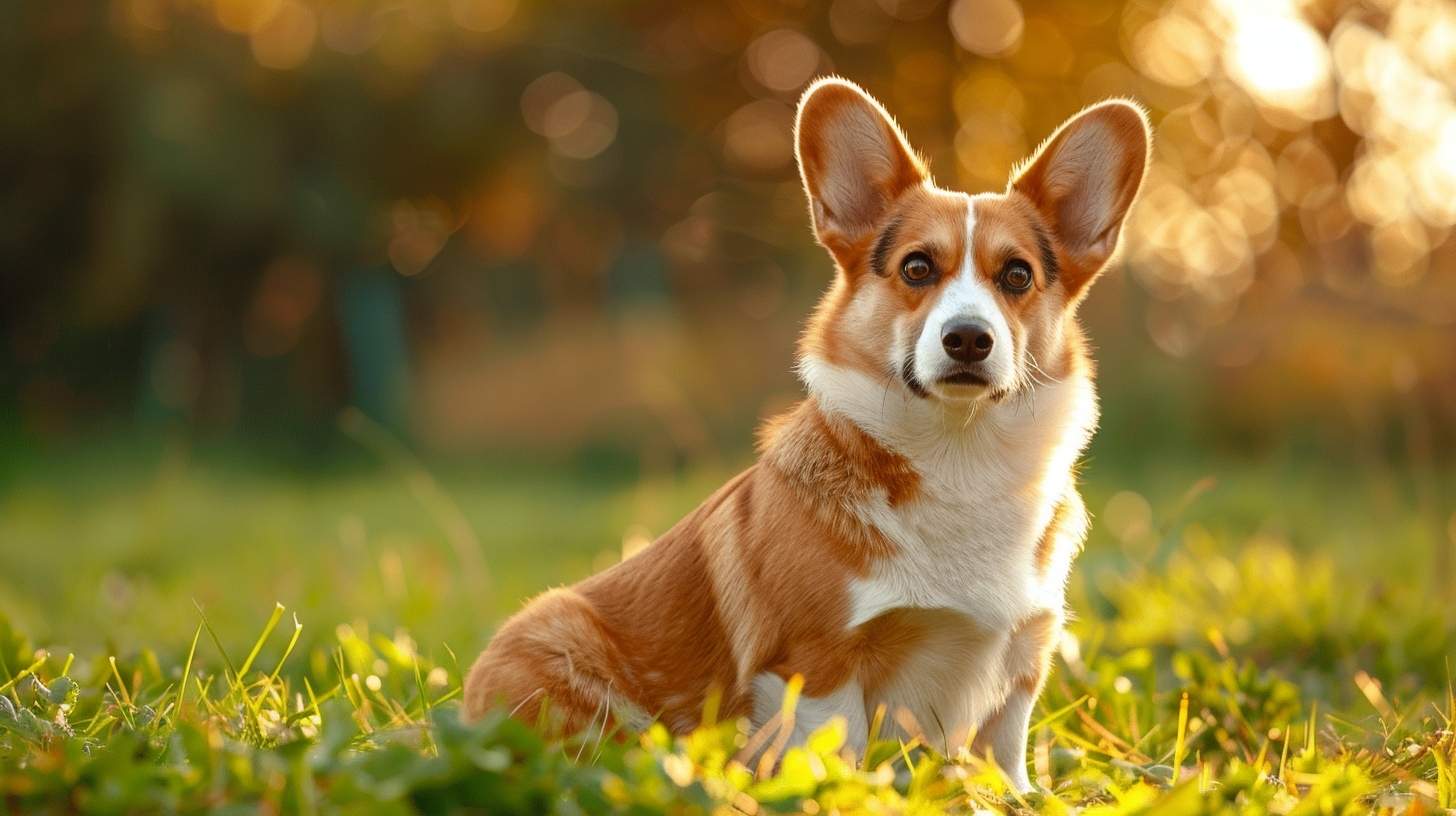
The name Corgi derives from the Welsh words for dwarf (cor) and dog (ci) – though Welsh folklore offers a more charming explanation, claiming that Corgis were the preferred mounts of fairy warriors, and that the markings on their shoulders are the impressions of fairy saddles and harnesses. Whether or not one accepts the folklore, the breed’s regal associations are real: Pembroke Welsh Corgis became closely identified with the British Royal Family through Queen Elizabeth II, who owned more than 30 of them during her reign and was rarely photographed without at least one. This association brought the breed to global attention and contributed significantly to its modern popularity.
Today, the Pembroke Welsh Corgi is recognized as a highly capable, affectionate, and engaging companion dog whose herding heritage shapes every aspect of its personality – its intelligence, its alertness, its loyalty, and occasionally its tendency to try to organize everyone in the household into a more orderly arrangement.
At a Glance: Pembroke Welsh Corgi Quick Reference
| Category | Details |
|---|---|
| AKC group | Herding Group |
| Origin | Pembrokeshire, Wales |
| Height | 10-12 inches |
| Weight | Males up to 30 lbs, Females up to 28 lbs |
| Lifespan | 12-13 years |
| Energy level | High |
| Exercise needed | 60+ minutes per day |
| Grooming | Moderate – double coat with seasonal shedding |
| Shedding | High – two annual coat blows |
| Trainability | Excellent – eager to please |
| Good with children | Yes – with herding instinct management |
| Good with other dogs | Generally yes with socialization |
| Good with cats | Variable – herding drive present |
| IVDD risk | Moderate-high – chondrodystrophic breed |
| Hip dysplasia risk | Moderate |
| Eye disease risk | Moderate – multiple hereditary conditions |
| Apartment suitable | Possible with adequate exercise |
| First-time owner suitable | Yes – one of the more manageable herding breeds |
Pembroke vs. Cardigan Welsh Corgi: Key Differences
Both Corgi varieties are distinct breeds with separate histories. Buyers should understand the differences before selecting one.
| Feature | Pembroke Welsh Corgi | Cardigan Welsh Corgi |
|---|---|---|
| Tail | Naturally bobtail or docked | Long, bushy tail |
| Build | Slightly more refined | Heavier, more substantial |
| Ears | Smaller, more pointed | Larger, more rounded |
| Colors | Red, sable, fawn, black and tan – often with white | All colors including brindle and blue merle |
| Temperament | Slightly more outgoing | Slightly more reserved |
| Popularity | More common globally | Less common |
| AKC recognition | 1934 | 1935 |
Both breeds share herding heritage, similar health concerns, and comparable temperament. The Pembroke is significantly more common in the pet market and the focus of this guide.
Pembroke Welsh Corgi Temperament: What to Expect Living With One
Intelligence and Working Drive
Corgis are ranked among the most intelligent herding breeds and respond to training with a combination of quick learning and genuine enthusiasm. Unlike some independent herding breeds, Pembrokes are comparatively eager to please – they enjoy the training process and the interaction it creates with their owner.
This working intelligence means that Corgis need mental engagement alongside physical exercise. A Corgi that receives adequate physical activity but no cognitive stimulation will direct its brain toward self-appointed tasks, which frequently involves reorganizing the household through persistent herding behavior or inventing reasons to bark.
Affection and Family Devotion
Pembrokes are deeply affectionate with their family. They bond closely with all household members, show particular devotion to their primary person, and integrate themselves into family life with the attentiveness typical of herding breeds that monitored and responded to their shepherd’s every signal.
Furthermore, Corgis are playful and maintain a youthful energy well into adulthood. They enjoy interactive games, are enthusiastic participants in outdoor activities, and adapt their energy level to their owner’s activity level with a flexibility that makes them compatible with a wider range of lifestyles than many herding breeds.
Alertness and Vocalization
Corgis are natural watchdogs. Their herding heritage produced a dog that pays close attention to its environment, notices changes quickly, and communicates its observations vocally. Barking at sounds, strangers, and movement is breed-typical behavior that requires training to manage rather than eliminate.
In apartments or neighborhoods with noise sensitivities, the Corgi’s vocal tendencies require specific attention. Training a reliable quiet command and ensuring adequate exercise significantly reduces unnecessary barking.
The Herding Instinct With Children and Pets
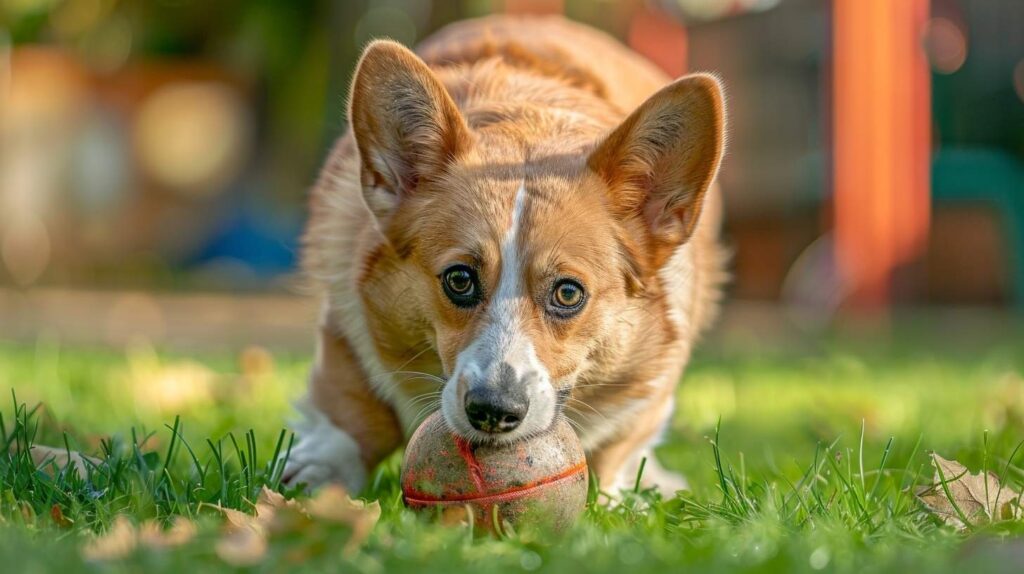
The heel-nipping behavior that made Corgis effective cattle herders is expressed toward children, cyclists, joggers, other dogs, and cats in a domestic setting. Young children running are particularly likely to trigger this response. The nipping is not aggressive — it is functional herding behavior – but it can frighten children and cause minor injury.
Managing this behavior involves consistent training, teaching alternative behaviors (such as sitting when a child runs), and ensuring the dog’s exercise needs are fully met so that herding drive is not amplified by excess energy.

IVDD: The Spinal Health Priority
Why Corgis Are Vulnerable
Like Dachshunds and Basset Hounds, Pembroke Welsh Corgis carry chondrodystrophic genetics – the mutation that creates shortened legs also causes spinal discs to calcify prematurely. Calcified discs can rupture and compress the spinal cord, causing pain, weakness, and in severe cases paralysis. This condition – intervertebral disc disease (IVDD) – is one of the most important health considerations in Corgi ownership.
IVDD Prevention
| Risk Factor | Management |
|---|---|
| Obesity | Maintain lean body condition throughout life – most important preventable factor |
| Jumping on/off furniture | Provide ramps and steps – never allow free jumping |
| Stairs | Limit stair use – carry the dog up and down if possible |
| Rough play involving twisting | Supervise and discourage high-impact landing activities |
| Genetics | Choose breeders who screen for IVDD risk |
Warning Signs of IVDD
Contact a veterinarian immediately if a Corgi shows any of the following:
| Sign | Urgency |
|---|---|
| Back or neck pain – yelping when touched | Same-day vet visit |
| Reluctance to jump or climb stairs | Same-day vet visit |
| Hunched back posture | Same-day vet visit |
| Wobbly or uncoordinated rear legs | Emergency – same day |
| Dragging rear legs | Emergency – immediate |
| Loss of bladder or bowel control | Emergency – immediate |
Exercise Requirements: A Working Dog in a Compact Body
Daily Needs
Corgis require at least 60 minutes of vigorous exercise daily. Their working dog genetics mean that slow walks are insufficient – they need genuine activity that engages both their body and their herding instinct.
| Exercise Type | Suitability | Notes |
|---|---|---|
| Brisk walking and hiking | Excellent | Primary daily activity |
| Fetch and retrieve games | Excellent | High engagement, appropriate intensity |
| Agility training | Excellent | Ideal breed-appropriate sport |
| Herding balls (treibball) | Excellent | Channeled herding drive |
| Swimming | Good – low-impact | Good for joints – supervise in deep water |
| Off-leash in fenced area | Excellent | Full expression of energy |
| Dog sports (obedience, rally) | Excellent | Mental and physical combined |
Weight Management and Exercise
Exercise and weight management are inseparable for Corgis because of IVDD risk. A lean, well-exercised Corgi has measurably lower disc disease risk than an overweight, sedentary one. The combination of maintaining lean body condition and providing daily vigorous exercise is the most effective IVDD prevention available.
Grooming: Managing the Double Coat
The Pembroke Welsh Corgi’s dense double coat sheds year-round and produces two heavy coat blows annually in spring and autumn. Despite their small size, the volume of shed hair surprises most first-time Corgi owners.
| Grooming Task | Frequency | Notes |
|---|---|---|
| Brushing (regular periods) | 2-3 times per week | Slicker brush and undercoat rake |
| Brushing (coat blow periods) | Daily | Undercoat releases rapidly – daily brushing prevents matting |
| Bathing | Every 4-6 weeks | More frequently during coat blows aids shedding |
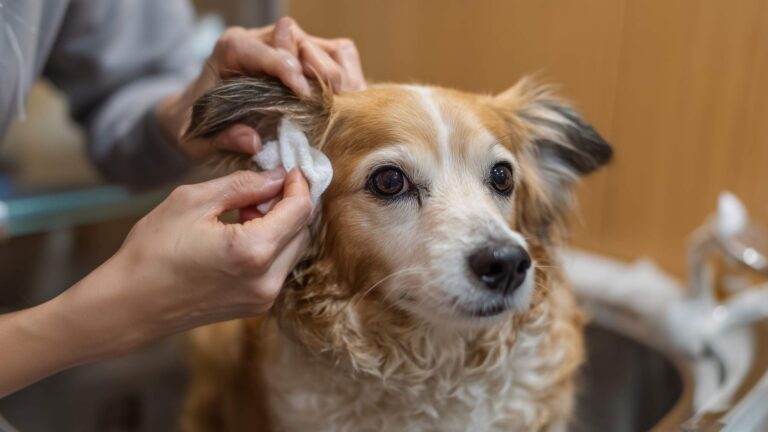
| Ear cleaning | Every 2 weeks | Upright ears collect debris |
| Nail trimming | Every 3-4 weeks | Active dogs partially wear nails – check regularly |
| Teeth brushing | 3-5 times per week | Small breed dental disease prevention |
The Corgi coat should never be shaved. The double coat regulates temperature in both directions, and shaving disrupts this system while risking post-clipping alopecia.
Health: Common Conditions in Pembroke Welsh Corgis
| Health Condition | Prevalence | Signs to Watch For | Action |
|---|---|---|---|
| IVDD | Moderate-high | Pain, weakness, coordination loss | See IVDD section above |
| Hip dysplasia | Moderate | Stiffness, abnormal gait | OFA evaluation on both parents |
| Progressive retinal atrophy (PRA) | Moderate | Night blindness progressing | Annual eye exam, DNA testing |
| Von Willebrand disease | Moderate | Excessive bleeding | DNA testing |
| Degenerative myelopathy (DM) | Moderate | Progressive rear limb weakness | DNA test available |
| Epilepsy | Low-moderate | Seizures | Neurological evaluation |
| Hypothyroidism | Moderate | Weight gain, lethargy, coat changes | Annual thyroid panel |
| Obesity | Very high tendency | Ribs not felt, no visible waist | Strict portion control, daily exercise |
Degenerative Myelopathy (DM)
DM is a progressive neurological disease that causes slowly worsening weakness and paralysis of the hindlimbs. It is genetically testable – DNA testing identifies normal, carrier, and at-risk dogs. Corgis are among the breeds with higher rates of DM, and responsible breeders test all breeding dogs. Buyers should request DM DNA test results for both parents.
Training: Working With an Enthusiastic Learner
Why Corgis Are One of the More Approachable Herding Breeds for New Owners
Unlike Border Collies and Australian Shepherds, which require intensive management of high-drive working instincts, Pembrokes balance herding intelligence with a comparatively stronger desire to please their owner. This makes them more forgiving of training inconsistency and more suitable for first-time owners who are willing to invest in basic obedience from the start.
| Training Element | Effectiveness | Notes |
|---|---|---|
| Positive reinforcement (food + play) | Excellent | Primary motivator |
| Short, engaging sessions | Best results | 10-15 minutes – Corgis engage well when sessions are fun |
| Consistency across family members | Essential | Corgis test inconsistency |
| Early herding management training | Important | Address heel-nipping before it becomes habitual |
| Dog sports introduction | Recommended | Channels herding drive productively |
Priority Training Areas
| Training Priority | Why It Matters |
|---|---|
| Quiet command | Manages breed-typical alert barking |
| Leave the heels | Addresses herding behavior toward children and cyclists |
| Recall | Important for any off-leash activity |
| Leash manners | Pulling is a working dog default |
| Polite greetings | Prevents jumping – less critical at this size but good practice |

Is a Pembroke Welsh Corgi Right for You?
Owners Who Succeed With Corgis
Pembroke Welsh Corgis thrive with active families that exercise daily, in households with children old enough to understand basic dog handling, with owners who find the herding personality charming rather than exhausting, in homes that can manage the significant shedding with regular brushing, and with anyone who wants an intelligent, loyal, and genuinely joyful companion that integrates fully into family life.
Households That Struggle With Corgis
Corgis are consistently challenging for owners who cannot manage regular brushing during coat blow periods, for households with very young children who trigger constant herding behavior, for owners wanting a quiet, low-energy companion, and for anyone unprepared for the IVDD management commitment that spans the dog’s entire life.
New puppy? Find a name that fits their personality.
Browse 600+ dog names by gender and personality type — playful, calm, bold, elegant, funny or mysterious.
Try Pet Name FinderFrequently Asked Questions
Why do Corgis have such short legs?
The Corgi’s short-legged appearance results from achondroplasia – a form of chondrodystrophy that produces shortened limb bones. This trait was selectively retained because it produced a dog that could work around cattle hooves while staying below the kick zone. The same genetics that create the characteristic silhouette also predispose Corgis to IVDD, which is why spinal health management is a lifetime priority.
Are Pembroke and Cardigan Corgis the same breed?
No. Both are Welsh herding breeds with separate origins and distinct physical characteristics. The Pembroke is smaller, lacks a tail (naturally or by docking), and has smaller pointed ears. The Cardigan has a long bushy tail, larger rounded ears, and a heavier build. Both share comparable intelligence, herding instinct, and health profiles, but they are recognized as separate breeds by all major kennel clubs.
Do Corgis really herd things?
Yes. The herding instinct is fully active in domestic Corgis and expresses itself toward anything that moves – children running, cyclists, joggers, other animals, and even cars. The heel-nipping behavior is functional herding behavior, not aggression. Training and ensuring adequate exercise are the most effective management tools.
Are Corgis good apartment dogs?
With commitment to daily outdoor exercise, yes. Corgis adapt to apartment living better than many herding breeds because their smaller size requires less indoor space. The key requirement is ensuring 60+ minutes of vigorous outdoor activity daily regardless of weather. A Corgi that receives adequate exercise is calm and well-settled indoors.
How much do Corgis shed?
Considerably. The dense double coat produces year-round moderate shedding with two annual coat blows in spring and autumn where the volume of shed hair becomes very significant. Regular brushing 2-3 times per week and daily brushing during coat blows manages the indoor hair load. Corgi ownership means accepting dog hair as a permanent household feature.
What is the “Corgi butt” that appears so often on social media?
The Corgi’s characteristic rounded hindquarters and short stub tail – or the natural bobtail present in many Pembrokes – have become one of the most recognizable and photographed features in dog social media. The visual appeal of the breed’s hindquarters from behind has contributed significantly to the breed’s viral popularity and rising global demand.
Are Corgis healthy dogs?
Generally yes – they are moderately healthy with a typical lifespan of 12-13 years. The primary health concerns are IVDD (spinal disc disease) and hereditary eye conditions, both of which are manageable with prevention strategies and regular screening. Choosing a breeder who health-tests for PRA, DM, hip dysplasia, and vWD significantly reduces the risk of acquiring a dog with serious inherited conditions.
Key Takeaways
- IVDD is the most important ongoing health management priority – weight control and ramps for furniture are lifetime commitments
- Corgis are working dogs in compact bodies – 60+ minutes of daily vigorous exercise is required, not optional
- The herding instinct is active – heel-nipping at children and chasing cyclists requires consistent training management
- Annual eye exams and DM DNA testing are essential – multiple hereditary conditions affect the breed
- The double coat produces very significant shedding – regular brushing is a genuine weekly time commitment
- Corgis are among the most trainable herding breeds for first-time owners – eagerness to please makes them forgiving of early mistakes
- The breed’s viral popularity has increased demand significantly – sourcing from health-tested breeders is more important than ever
- Pembroke and Cardigan are separate breeds – ensure you know which variety you are acquiring
This article is for informational purposes only. Breed characteristics represent general tendencies and do not predict the behavior or health of any individual dog. Always consult a veterinarian for health advice and seek emergency veterinary care immediately for any signs of IVDD.