Yorkshire Terrier: Complete Breed Guide – Temperament, Care, Health & More (2026)
- 🐕 QUICK ANSWER: YORKSHIRE TERRIER BREED GUIDE
- ✅ Yorkshire Terriers are bold, intelligent, and deeply affectionate – a true terrier personality in a tiny body
- ✅ One of the most popular small breeds globally – consistently top 15 AKC rankings for decades
- ✅ Weight: typically 4-7 lbs – one of the smallest dog breeds, but with a personality that ignores its own size
- ✅ Low-shedding, hypoallergenic-friendly coat – excellent for owners with mild dog allergies
- ✅ Adaptable to apartment living – exercise needs are modest and easily met in small spaces
- ⚠️ Fragile bone structure – serious injury risk from falls, rough handling, and larger dogs
- ⚠️ Hypoglycemia (low blood sugar) is a genuine risk in puppies and small adults – requires feeding management
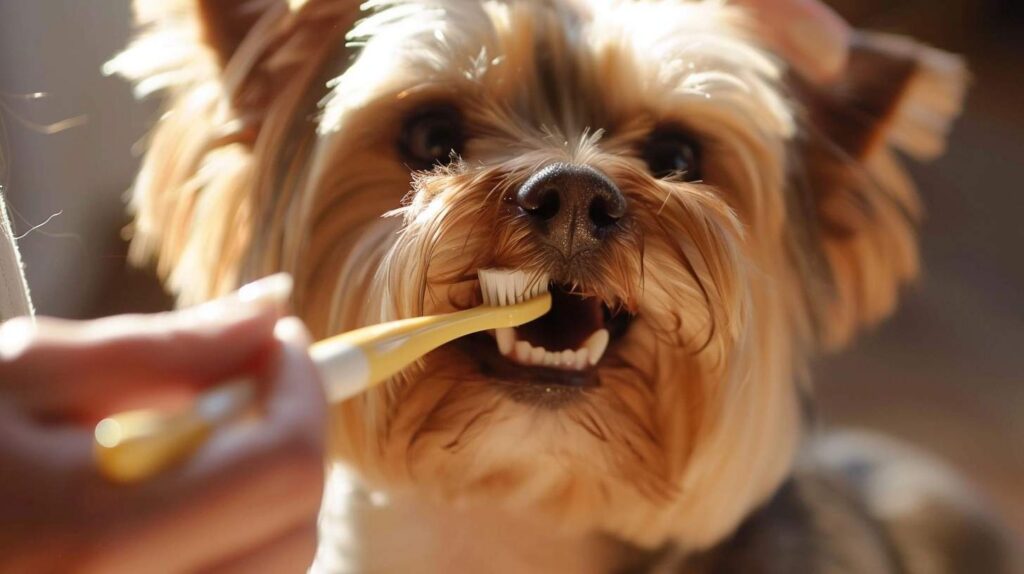
- ⚠️ Yorkshire Terriers are prone to dental disease – their small mouths crowd teeth severely and daily brushing is essential
- ⚠️ Tracheal collapse is a significant breed health concern – harnesses are mandatory, collars are dangerous
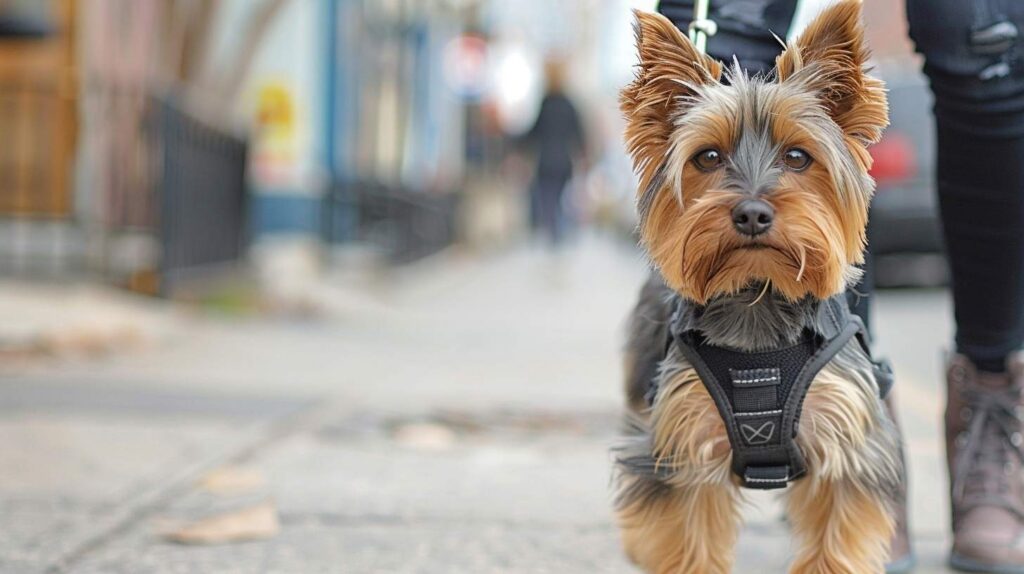
- ❌ Do NOT use a collar and leash on a Yorkshire Terrier – tracheal collapse risk makes harnesses the only safe option
- ❌ Do NOT leave a Yorkie unsupervised with large dogs – even playful larger dogs can fatally injure a 5-pound dog
- This article is based on breed standards from the Yorkshire Terrier Club of America (YTCA) and The Kennel Club, health research from the YTCA Health Committee, and clinical guidance from veterinary dentists and internists specializing in small breed and toy dog health.
- Last Updated: May 2026
What Kind of Dog Is a Yorkshire Terrier?
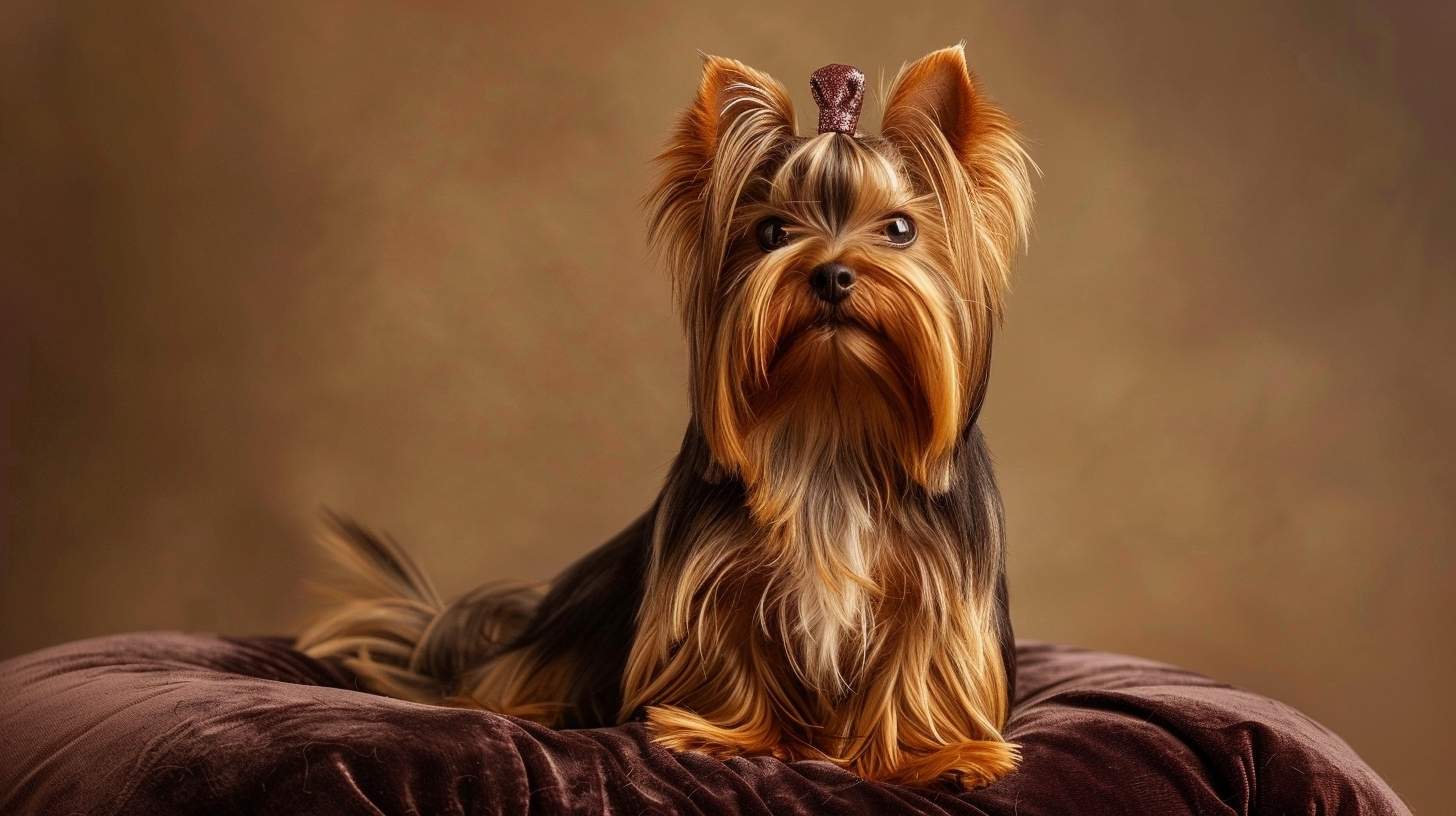
The Yorkshire Terrier is perhaps the clearest example in the dog world of the gap between appearance and origin. Its long, silky coat, dainty size, and reputation as a glamorous companion dog suggest a breed bred for aristocratic drawing rooms. In reality, the Yorkshire Terrier was developed in 19th-century northern England as a working-class rat-catcher – a fierce, agile terrier used by textile mill and mine workers to control rodent populations in industrial buildings.
Developed in Yorkshire from crosses between various terrier breeds – likely including the Waterside Terrier, Clydesdale Terrier, and Skye Terrier – the breed was refined during the Industrial Revolution and gained its modern form around 1870. It was the working men and women of Yorkshire who created the breed, and it was Victorian high society that transformed it into a companion dog when the breed’s elegance and personality made it fashionable among the wealthy.
The terrier working heritage is present in every Yorkshire Terrier alive today – in the boldness that makes a 5-pound dog challenge a dog twenty times its size, in the tenacity that turns a simple walk into a determined investigation of every scent within reach, in the intelligence that makes Yorkies quick learners and creative escape artists in equal measure. Understanding the Yorkie as a terrier first and a companion second explains almost every behavioral trait that surprises first-time owners.
At a Glance: Yorkshire Terrier Quick Reference
| Category | Details |
|---|---|
| AKC group | Toy Group |
| Origin | Yorkshire, England |
| Weight | 4-7 lbs (breed standard) |
| Height | 7-8 inches |
| Lifespan | 13-16 years |
| Energy level | Moderate-high |
| Exercise needed | 30-45 minutes per day |
| Grooming | High – daily brushing if kept long |
| Shedding | Very low – hair rather than fur |
| Trainability | Good – intelligent but independent |
| Good with children | Moderate – better with older children |
| Good with other dogs | Good with similar-sized dogs |
| Good with cats | Generally yes with socialization |
| Tracheal collapse risk | High – harness mandatory |
| Dental disease risk | Very high – daily brushing essential |
| Hypoglycemia risk | High in puppies and very small adults |
| Apartment suitable | Excellent |
| First-time owner suitable | Yes – with realistic expectations |
Yorkshire Terrier Temperament: What to Expect Living With One
The Terrier Core
The Yorkshire Terrier’s personality is defined by its terrier heritage far more than its toy dog classification. Terriers were bred to work independently, to pursue prey with determination, to investigate everything, and to stand their ground against animals much larger than themselves. All of these traits are alive in the modern Yorkie.
A Yorkshire Terrier that encounters a large dog will often approach it with the confidence of a much larger animal – a behavior that is endearing in a safe context and genuinely dangerous in an unsupervised one. This fearlessness is not recklessness on the Yorkie’s part – it simply does not perceive itself as small. Managing this trait means supervising interactions with larger dogs carefully and consistently.
Intelligence and the Selective Compliance Problem
Yorkies are intelligent dogs that learn quickly. However, like most terriers, their intelligence is directed toward their own agenda as much as their owner’s. A Yorkshire Terrier understands its owner’s commands – but applies an independent assessment of whether compliance serves its interests in any given moment.
Consequently, training a Yorkie requires high-value motivation, consistency across all household members, and patience with a dog that occasionally decides a command is optional. Harsh corrections are counterproductive – they create anxiety and shut down the Yorkie’s cooperation entirely. Short, positive, food-rewarded sessions produce the best results.
Affection and the Bond With Their Person
Yorkshire Terriers are deeply affectionate with their people. They seek physical proximity, enjoy being held and carried, and follow their primary person throughout the home. This affection can tip into separation anxiety in dogs that are allowed to become excessively dependent – a common issue in small dogs that are carried everywhere and rarely required to function independently.
Yorkies and Children
Yorkshire Terriers are better suited to households with older children who understand how to handle a small dog carefully. Young children who squeeze, drop, or handle the dog roughly risk serious injury to the Yorkie – and the Yorkie’s response to pain or fear is snapping, which owners misinterpret as aggression. The breed is not aggressive – it is fragile and responds to discomfort in the only way available to it.
The Tracheal Collapse Problem: Why Harnesses Are Mandatory
What Tracheal Collapse Is
The trachea in Yorkshire Terriers – as in many small and toy breeds – has cartilage rings that can weaken and collapse inward under pressure. When the collar presses against the throat during leash pulling or even normal walking, this pressure accelerates cartilage weakening and can precipitate or worsen tracheal collapse.
A dog with tracheal collapse produces a characteristic honking cough – particularly during excitement, exercise, or pressure on the throat. In mild cases it is managed with medication. In severe cases it causes significant breathing distress and requires surgical intervention.
Harness Requirements
| Collar use | Risk | Alternative |
|---|---|---|
| Standard collar with leash | High tracheal collapse risk | Harness only |
| ID tag on collar (flat, no leash) | Acceptable for identification | No leash attachment |
| Harness with back clip | Safe for walking | Recommended for all Yorkies |
| Harness with front clip | Safe and assists training | Good for pullers |
| Retractable leash with harness | Use with caution | Sudden jerks still risk injury |
Every Yorkshire Terrier should wear a properly fitted harness for all leash activities. A flat collar for identification purposes only – with no leash attachment – is acceptable. Walking a Yorkie on a collar and leash is not.

Grooming: The Highest Maintenance Aspect of Yorkie Ownership
The Two Coat Options
Yorkshire Terrier owners face a fundamental choice that determines the grooming workload for the dog’s entire life: keep the coat in a long show-style floor-length cut, or maintain a practical short puppy cut.
| Coat Style | Description | Maintenance Level | Professional Grooming |
|---|---|---|---|
| Full show coat (floor length) | Long, silky, parted down the back | Very high – daily brushing essential | Every 6-8 weeks |
| Puppy cut (2-3 inches all over) | Short, practical, round face | Low-moderate – weekly brushing | Every 6-8 weeks |
| Teddy bear cut | Medium length, rounded face | Moderate – brushing 2-3 times weekly | Every 6-8 weeks |
The vast majority of pet Yorkie owners maintain a puppy or teddy bear cut. Full show coats require daily brushing, oil treatments to prevent breakage, and a level of commitment that is impractical for most households.
Grooming Schedule
| Task | Frequency | Notes |
|---|---|---|
| Brushing (long coat) | Daily | Tangles form quickly in long coats |
| Brushing (short coat) | 2-3 times per week | Less prone to matting |
| Professional grooming | Every 6-8 weeks | Trim, bath, ear cleaning |
| Teeth brushing | Daily – or minimum 5 times per week | Non-negotiable – dental disease risk is very high |
| Ear cleaning | Every 2 weeks | Hair grows inside the ear canal – may require plucking |
| Nail trimming | Every 3-4 weeks | Small nails grow quickly |
| Eye area cleaning | Daily | Tear staining and eye discharge accumulate around the eyes |
The Ear Hair Issue
Yorkies grow hair inside the ear canal – a trait that reduces airflow and can trap debris. Most groomers and veterinarians recommend removing this hair during regular grooming appointments to prevent ear infections. This is a matter of ongoing professional management, not a one-time procedure.
Health: Common Conditions in Yorkshire Terriers
Yorkshire Terriers are a generally long-lived breed 13-16 years is typical – but several health conditions occur at elevated rates and require proactive management.
| Health Condition | Prevalence | Signs to Watch For | Action |
|---|---|---|---|
| Dental disease | Very high | Bad breath, reluctance to eat, tooth loss | Daily brushing + annual professional cleanings |
| Tracheal collapse | High | Honking cough, breathing distress | Harness mandatory – vet evaluation if coughing starts |
| Hypoglycemia | High in puppies | Weakness, trembling, seizures, collapse | Feed small frequent meals – emergency vet if severe |
| Patellar luxation | High | Skipping, holding leg up | Orthopaedic evaluation – surgical correction if severe |
| Portosystemic shunt (liver shunt) | Moderate | Stunted growth, neurological signs, vomiting | Veterinary workup – surgical or medical management |
| Progressive retinal atrophy (PRA) | Moderate | Night blindness progressing to blindness | Annual eye exam |
| Legg-Calvé-Perthes disease | Moderate | Hindleg lameness, pain | Orthopaedic evaluation – often requires surgery |
| Collapsed trachea (advanced) | Moderate | Chronic cough, exercise intolerance | Medical management, surgery in severe cases |
| Pancreatitis | Moderate | Vomiting, abdominal pain, lethargy | Low-fat diet, veterinary management |
Hypoglycemia: A Yorkie-Specific Emergency
Hypoglycemia – dangerously low blood sugar – affects Yorkshire Terrier puppies and very small adults because their small body mass provides limited glucose reserves. A young Yorkie that misses a meal, becomes overly active, or experiences stress can develop life-threatening low blood sugar rapidly.
| Hypoglycemia Sign | Urgency |
|---|---|
| Weakness, wobbly movement | Feed immediately – small amount of honey or glucose gel on gums |
| Trembling, muscle weakness | Same – feed and call vet |
| Glassy eyes, disorientation | Emergency – vet immediately |
| Seizures | Emergency – vet immediately |
| Collapse, unconsciousness | Emergency – rub glucose on gums during transport |
Prevention: feed puppies under 12 weeks every 3-4 hours, ensure adults have access to food throughout the day, and keep a glucose supplement (honey, Karo syrup, or commercial glucose gel) accessible at all times.
Exercise: Modest Needs With a Terrier Attitude
Daily Requirements
Yorkshire Terriers need 30-45 minutes of exercise daily. Their small size means this is easily achievable through two short walks and indoor play. Despite their modest exercise requirements, Yorkies are active and engaged – they enjoy exploring, chasing toys, and participating in everything happening around them.
Their terrier prey drive means walks can become highly focused sniff and investigate sessions that engage the dog mentally as well as physically. Allowing a Yorkie to follow its nose on a sniff walk provides excellent mental stimulation alongside light physical activity.
| Exercise Type | Suitability | Notes |
|---|---|---|
| Short leash walks (harness only) | Excellent | Primary daily exercise |
| Indoor fetch and chase games | Excellent | Ideal for inclement weather |
| Sniff walks in varied environments | Excellent | Mental and physical together |
| Dog parks | Caution | Size disparity with larger dogs is dangerous |
| Off-leash in unfenced areas | Avoid | Prey drive and fearlessness create risk |
Exercise and Weather
Yorkies feel cold more acutely than larger breeds – their small body mass loses heat rapidly. In cold weather, a dog coat or jumper is not optional for outdoor exercise. Rain causes the long coat to mat rapidly and increases hypothermia risk. In hot weather, Yorkies overheat faster than many breeds and should be exercised in early morning or evening.
Nutrition: Feeding a Very Small Dog Correctly
| Life Stage | Meal Frequency | Key Considerations |
|---|---|---|
| Puppy (under 4 months) | Every 3-4 hours | Hypoglycemia prevention – never skip meals |
| Puppy (4-12 months) | 3 times daily | Still at hypoglycemia risk |
| Adult (1-7 years) | 2-3 times daily | Small portions – obesity risk in inactive dogs |
| Senior (7+ years) | 2-3 times daily | Adjust calories as activity decreases |
Choose a high-quality small-breed formula designed for toy dogs. Small breed formulas have smaller kibble size appropriate for small mouths and caloric density calibrated for high metabolic rate. Avoid low-fat diets as a default – Yorkies need adequate fat for energy and coat health. Monitor weight carefully, as obesity in such a small dog creates rapid joint and respiratory complications.
Is a Yorkshire Terrier Right for You?
Owners Who Succeed With Yorkshire Terriers
Yorkshire Terriers are excellent companions for apartment dwellers and urban residents, for owners who want a small, low-shedding, deeply affectionate dog, for individuals or couples without young children, for owners who can commit to daily dental care and regular professional grooming, and for anyone who appreciates a bold, characterful personality in a compact package.
Households That Struggle With Yorkshire Terriers
Yorkies are consistently challenging for families with children under 8, for owners who want a robust, low-maintenance dog without significant grooming commitment, for households with large dogs that cannot be reliably managed around a small animal, and for owners who prefer a more independent, less velcro dog personality.
New puppy? Find a name that fits their personality.
Browse 600+ dog names by gender and personality type — playful, calm, bold, elegant, funny or mysterious.
Try Pet Name FinderFrequently Asked Questions
How big do Yorkshire Terriers get?
The AKC breed standard specifies a maximum weight of 7 lbs, with most show dogs weighing 4-7 lbs. Some lines produce larger Yorkies of 10-15 lbs, which are sometimes marketed as “traditional” or “old-fashioned” Yorkies. These larger dogs share all temperament and most health characteristics with standard Yorkies but have fewer of the extreme small-size health concerns like hypoglycemia.
Are Yorkshire Terriers hypoallergenic?
No dog is truly hypoallergenic. However, Yorkies produce very little shed hair – their coat grows continuously like human hair rather than shedding in the traditional sense. This significantly reduces airborne dander in the home, making Yorkies one of the better choices for owners with mild dog allergies. The only reliable way to assess individual tolerance is direct exposure to the specific dog.
Why do Yorkies bark so much?
Yorkshire Terriers are alert dogs with a strong watchdog instinct – a terrier trait. They bark at sounds, strangers, movement outside windows, and perceived intrusions into their territory. Training a quiet command and ensuring sufficient exercise reduces barking frequency. Yorkies in under-stimulated environments bark significantly more than those with adequate mental and physical activity.
Can Yorkshire Terriers be left alone?
For moderate periods 4-6 hours with appropriate preparation. Very young Yorkies or those with separation anxiety require more management. Providing mental enrichment, a safe comfortable space, and a gradual alone-time training program reduces distress. Yorkies left alone for very long periods daily regularly develop anxiety-driven behaviors including excessive barking and destructive chewing.
What is Legg-Calvé-Perthes disease?
LCP disease is a condition where the head of the femur (thigh bone) loses its blood supply and degenerates – causing significant hindleg pain and lameness in young dogs, typically appearing between 4-12 months of age. It is more common in toy breeds including the Yorkshire Terrier. Treatment is surgical removal of the affected bone head, after which most dogs recover excellent function with physiotherapy.
How long do Yorkshire Terriers live?
Typically 13-16 years, making them one of the longer-lived dog breeds. Many healthy Yorkies reach 15+ years with good dental care, weight management, and regular veterinary attention. The oldest Yorkshire Terriers on record have reached 20+ years.
Do Yorkshire Terriers need professional grooming?
Yes, every 6-8 weeks regardless of coat length. Professional grooming handles the full bath and dry, precise trimming, ear hair removal, nail grinding, and the technical aspects of maintaining a Yorkie coat in good condition. At-home maintenance between appointments – primarily brushing and teeth cleaning – is equally important.
Key Takeaways
- Harness is mandatory – walking a Yorkie on a collar risks tracheal collapse, which causes lifelong breathing problems
- Daily teeth brushing is non-negotiable – dental disease is the most common health problem in the breed
- Yorkies are terriers first – their boldness, independence, and prey drive require management despite their small size
- Hypoglycemia is a genuine emergency in puppies – feed every 3-4 hours and keep glucose on hand
- Professional grooming every 6-8 weeks is a permanent ownership cost regardless of coat length choice
- Supervise all interactions with larger dogs – a playful larger dog can fatally injure a 5-pound Yorkie
- Lifespan of 13-16 years means this is a very long commitment – plan accordingly
- Daily eye area cleaning and regular ear checks prevent two of the most common Yorkie irritations
This article is for informational purposes only. Breed characteristics represent general tendencies and do not predict the behavior or health of any individual dog. Always consult a veterinarian for health advice. Seek emergency veterinary care immediately for any signs of hypoglycemia or tracheal distress.